
BI’s Rp118 Trillion Incentive Flows into Housing: What Impact Is It Having?
Jakarta – Bank Indonesia (BI) says it has channelled Rp118 trillion in liquidity incentives to the housing sector. The policy is beginning to show tangible results, including stimulating the property industry and creating hundreds of thousands of job opportunities.
BI Governor Destry Damayanti said that of the Rp118 trillion disbursed between June and July, around Rp68 trillion went to housing connected with government programmes. The financing supported the construction of up to 115,600 homes.
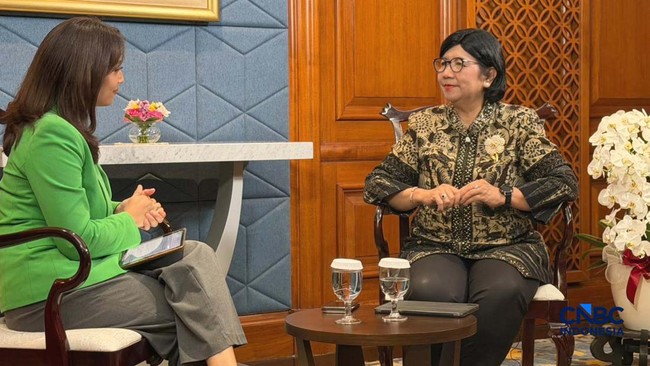
“Of the Rp118 trillion, nearly Rp70 trillion — just over Rp68 trillion — went to the housing sector for homes under government programmes. It has enabled the construction of up to 115,600 homes,” Destry told CNBC Indonesia, as quoted on Monday (12 October 2026).
Destry said the housing incentives had also helped create hundreds of thousands of jobs.
She said she had been told by Housing and Settlement Areas Minister Maruarar Sirait that each housing unit could directly involve around four workers.
“The impact is very broad. The direct effect is immediately visible: four times around 115,000. The indirect impact can be calculated in greater detail, but that will take time,” Destry said.
The impact of the housing incentives extends beyond the property sector, stimulating demand for cement, bricks, roof tiles, transport services and small businesses around project sites.
This, in turn, creates more job opportunities in other sectors linked to construction.
The indirect effects still require more detailed assessment, including the contribution of supply chains and supporting economic activity.
“What matters is that we do not want policies to be made for their own sake. We want them to have an impact on sectoral growth and job creation,” she added.
Destry explained that the housing incentives are provided under BI’s Macroprudential Liquidity Incentive (KLM) policy, which rewards banks for directing lending to priority sectors.
Under the mechanism, banks that meet the criteria can receive a reduction in their reserve requirement, known as the Statutory Reserve Requirement (GWM), giving them additional liquidity to support lending.
Destry said the GWM reduction linked to incentives for the housing sector ranges from 1.25% to 1.5%.
The KLM policy is part of BI’s efforts to boost economic activity and job creation, in coordination with other ministries and government agencies, members of the Financial System Stability Committee (KSSK) and other stakeholders. BI refers to this approach as the “Red and White Synergy”.
Destry said such cooperation was necessary because development, progress and stability in Indonesia were a shared responsibility.
She said the Red and White Synergy was intended to demonstrate the national spirit and patriotism of Bank Indonesia and its partners.
“However small our contribution, it will certainly have a positive impact on our beloved country,” she said.
Source: jawawa.id (https://jawawa.id/newsitem/bis-rp118-trillion-incentive-flows-into-housing-what-impact-is-it-having-1791769836)
Originally published by CNBC Indonesia (https://www.cnbcindonesia.com/market/20261012060644-17-775165/insentif-bi-rp118-t-mengalir-ke-perumahan-ini-dampaknya), translated from Indonesian