
Birth of Sumatran Tigers Proves Indonesia-US Conservation Cooperation Commitment
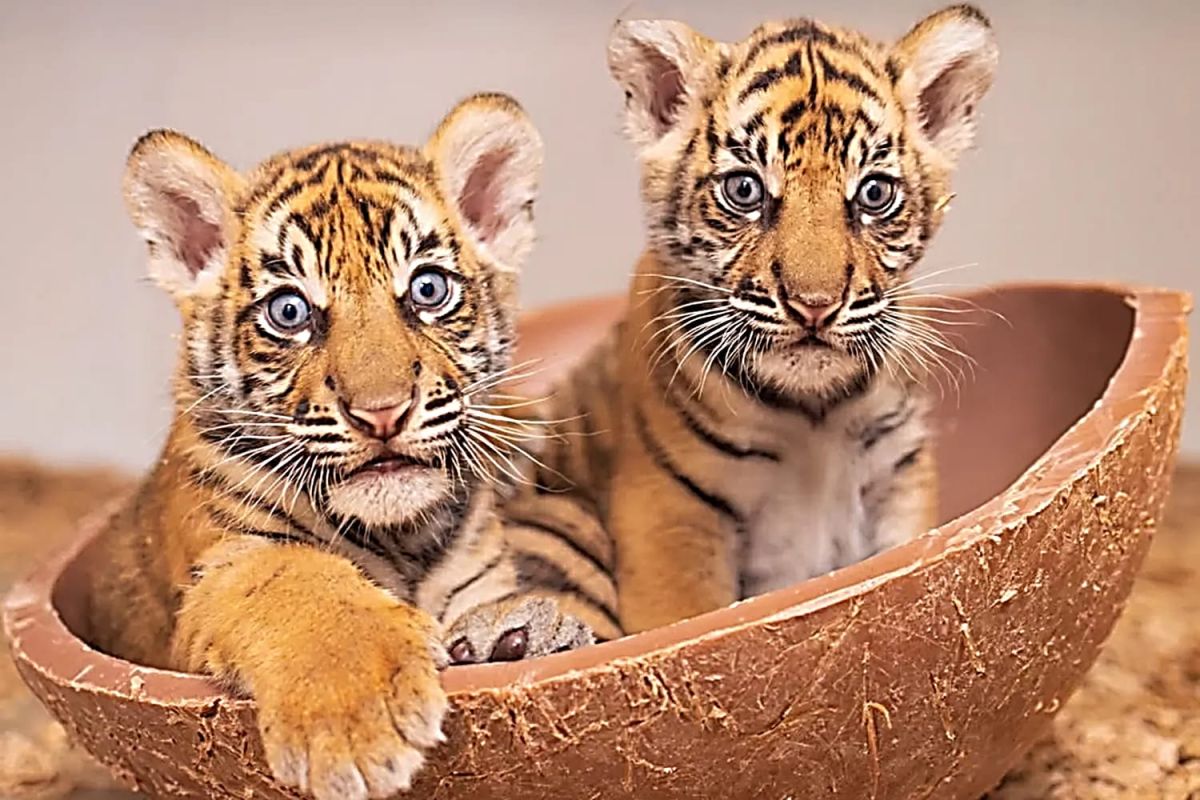
The Ambassador of the Republic of Indonesia to the United States, Indroyono Soesilo, stated that the birth of two Sumatran tiger (Panthera tigris sumatrae) cubs at the Fort Worth Zoo, Texas, is a manifestation of the shared commitment of both nations towards nature conservation.
According to an official statement from the Indonesian Embassy in Washington received in Jakarta on Monday, the two tiger cubs were born on 1 July 2026 and were announced to the public on 2 October 2026, after the care team confirmed that the condition of both the cubs and the mother tiger remained stable.
The two animals have been named Barani and Malu. Barani, derived from the word ‘brave’, is described as more active and curious, while Maluna tends to be calmer and more cautious.
The arrival of Barani and Malu marks the first birth of Sumatran tigers in the history of the zoo. Both are the offspring of Ndari, who gave birth for the first time, and Rakan. At the time of the announcement, the two cubs were approximately 13 weeks old, weighing around 8-9 kilograms each.
Ambassador Indroyono noted that the birth of these endangered animals carries a broader significance, as Fort Worth is the first city in the US to establish a sister-city relationship with a city in Indonesia.
He revealed that the city has maintained a sister-city partnership with Bandung, West Java, since 2 April 1990. The two cities celebrated 35 years of friendship last year and have reaffirmed their commitment to expanding collaboration across various sectors.
Within the Predators of Asia & Africa area at the Fort Worth Zoo, the two tiger cubs now serve as a reminder that Indonesia’s natural heritage can act as a bridge of friendship with the global community.
“Barani and Malu were born in the United States, but they carry the name, origins, and message of Indonesia. Both demonstrate that the closeness between Bandung and Fort Worth, as well as Indonesia and the United States, can grow through education, culture, people-to-people friendship, and a shared concern for the conservation of life,” said Indroyono.