
Bird's Eye Chilli Prices Hit Rp92,250 Today, 3 June 2026; Eggs at Rp30,500, Shallots at Rp56,700
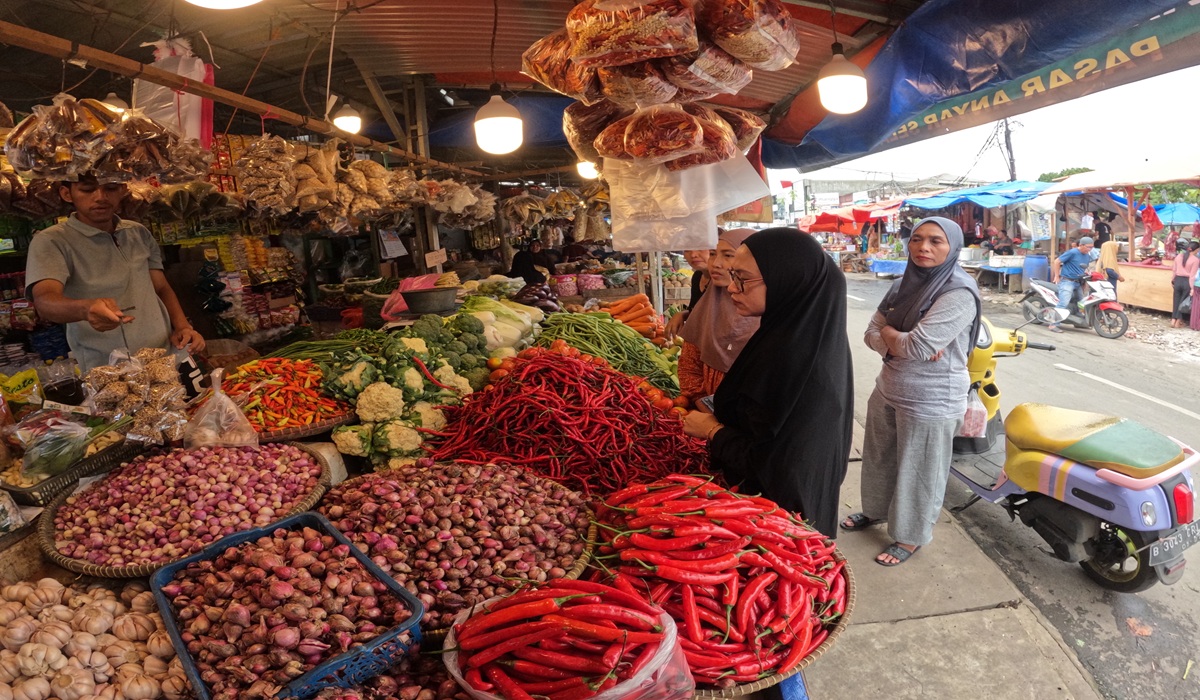
The National Strategic Food Price Information Centre (PIHPS) has recorded a significant surge in several commodities. As of 3 June 2026, the price of red bird’s eye chilli has reached Rp92,250 per kilogram, while chicken eggs are priced at Rp30,500 per kg at the national retail level. This increase places red bird’s eye chilli as the commodity with the most notable price fluctuation. Additionally, shallot prices remain high at Rp56,700 per kg, followed by garlic at Rp39,650 per kg. This situation demands consumer vigilance regarding potential inflationary pressures from the volatile foods sector.
Meanwhile, rice prices vary depending on quality. Low-quality rice I is being sold at Rp14,800 per kg, medium-quality rice I is at Rp16,250 per kg, and premium super-quality rice I has surpassed Rp17,150 per kg. Cooking oil prices also show a high trend, with bulk cooking oil recorded at Rp19,550 per litre, while branded packaged oils I and II are at levels of Rp22,700 and Rp22,550 per litre, respectively.
Regarding animal protein, in addition to eggs, the price of quality I beef remains high at Rp150,750 per kg, while quality II beef is priced at Rp138,250 per kg. The price hikes are triggered by several factors, including heavy rainfall in chilli production centres in Sumatra, thinning supplies, and high logistics costs to the Riau Islands.
In traditional markets such as Batam, red chilli prices range from Rp20,000 to Rp25,000 per kg, while bird’s eye chilli is sold between Rp25,000 and Rp35,000 per kg depending on quality and supply. In other areas, such as Penuin Wet Market and Mitra Raya Market, bird’s eye chilli prices have reached ranges between Rp80,000 to Rp100,000 per kg. Conversely, monitoring at Pelita and Tipar Gede markets shows that commodities such as rice tend to remain stable.