
Bird flu expected to hit New Zealand within months
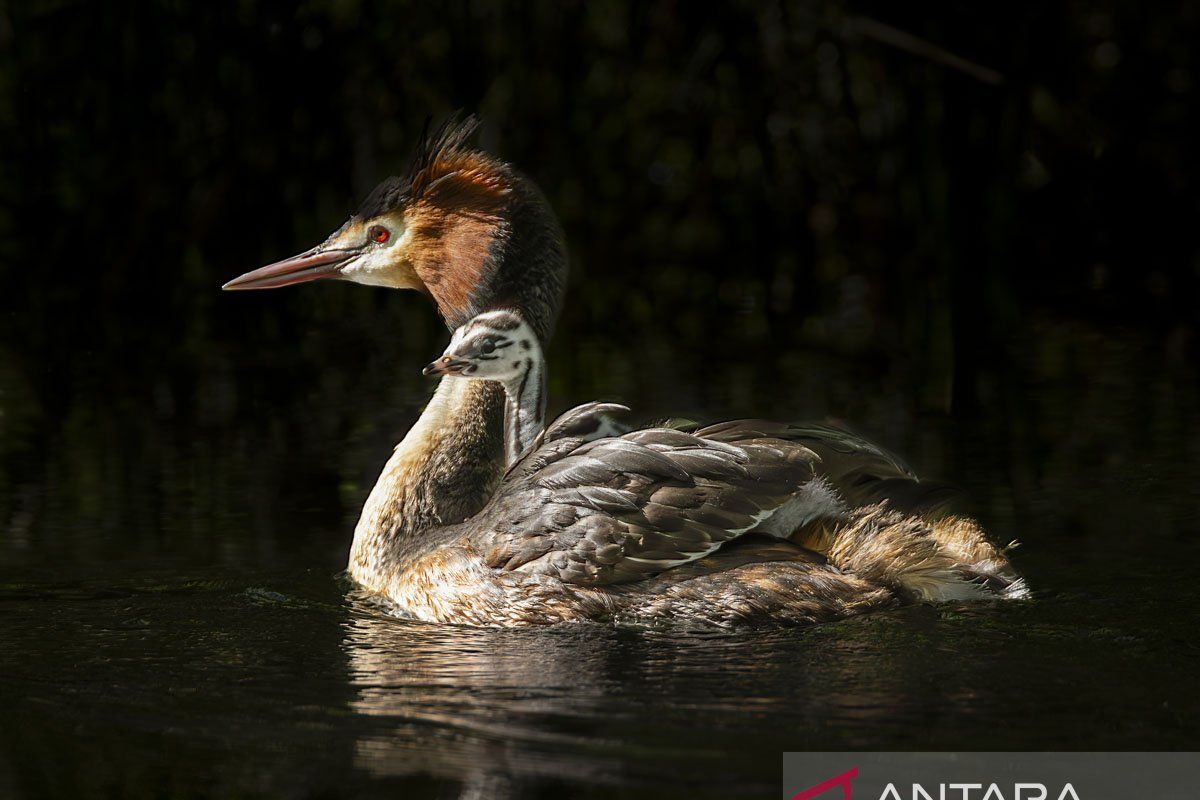
Wellington (ANTARA) - The newly detected H5N1 bird flu strain could become endemic in New Zealand within months after the country recorded its first case in a wild seabird, a senior veterinary official said on Thursday (16/7).
New Zealand Ministry for Primary Industries Chief Veterinary Officer Mary van Andel told Radio New Zealand (RNZ) that eradication efforts were unlikely to succeed if the virus became established in wildlife populations.
On Wednesday (15/7), the H5 virus was confirmed in a seabird found at Petone Beach in Wellington, the capital city of New Zealand, marking the country’s first finding amid a global outbreak spreading widely among wild birds.
“New Zealand’s isolation will not be able to prevent the entry of this deadly bird virus,” said Professor Dianne Brunton from the University of Auckland’s School of Biological Sciences. She said that although there was no evidence yet of mass wildlife deaths or bird-to-bird transmission in New Zealand, H5N1 was likely to become established over time.
Van Andel said the virus could transmit from birds to humans, but such cases were rare. She also stressed that food safety was not affected.
Professor Jemma Geoghegan, a virologist from the University of Otago, said New Zealand had been preparing for the virus’s arrival following its recent spread to Australia and globally.
According to Geoghegan, rapid testing, genomic sequencing and strict monitoring of wild birds were crucial.
The Department of Conservation has begun vaccinating 300 breeding birds from five species that are among New Zealand’s most endangered, including the kakapo and takahe, as part of preparedness efforts.