
Biopore holes offer a practical way to manage organic waste
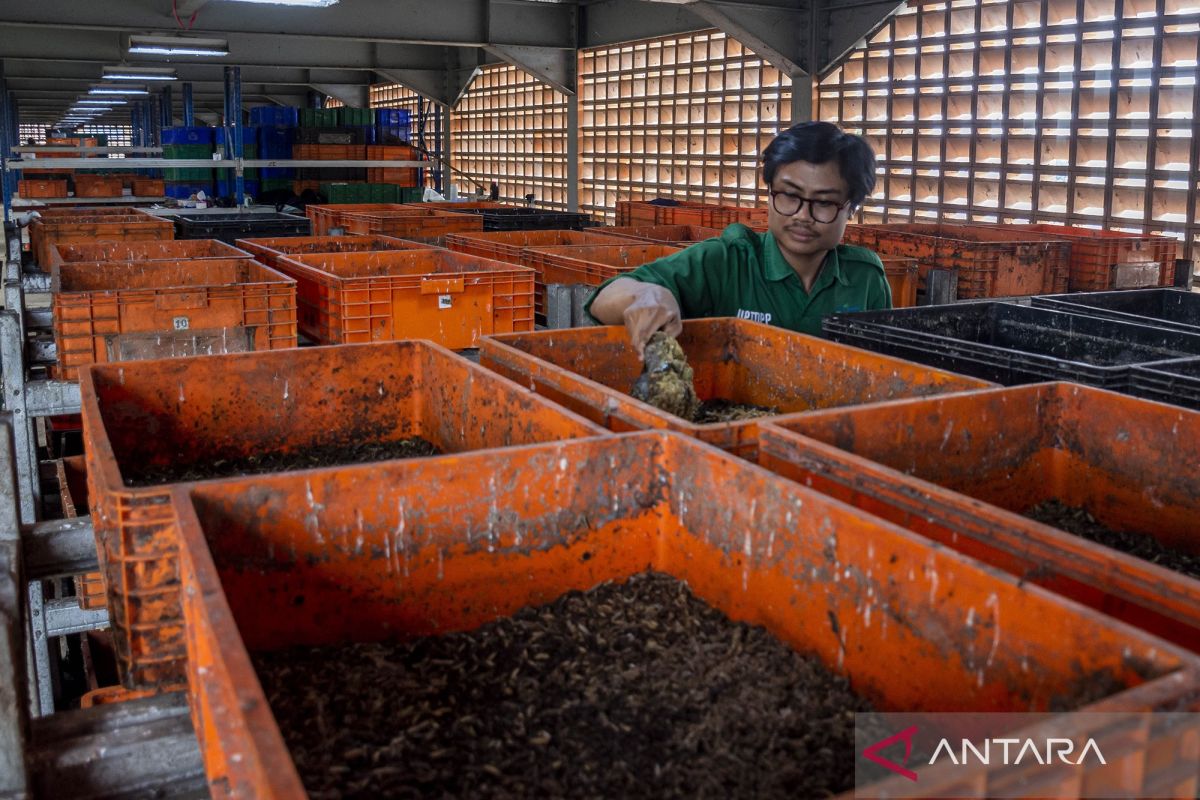
Jakarta (ANTARA) - Waste remains a major environmental challenge requiring serious attention. One type of waste produced in large quantities through everyday activities is organic waste, including food scraps, fruit peels, dry leaves and grass cuttings. If not managed properly, it can accumulate and cause a range of environmental problems.
As public awareness of the importance of environmental conservation grows, biopore infiltration holes offer a simple solution. The method not only helps turn organic waste into natural compost but also improves the soil’s ability to absorb rainwater.
Biopore Infiltration Holes (LRB) are cylindrical holes dug vertically into the ground. They typically have a diameter of about 10 centimetres and a depth of up to 100 centimetres, depending on soil conditions and the groundwater level.
The process is straightforward. Organic waste is placed in the hole to decompose naturally with the help of microorganisms and soil fauna, such as earthworms. The activity of these organisms helps form natural pores in the soil, allowing water to seep through more easily.
As well as reducing the volume of waste sent to landfill, decomposition produces compost that can be used to nourish plants. Waste previously considered useless can therefore provide environmental benefits.
Biopore holes are relatively easy to make and do not require much space. They can be installed in home gardens, parks, allotments, office grounds and public facilities where there is exposed soil.
To make one, residents can use a dedicated biopore soil auger. First, choose a location where rainwater can flow and seep into the ground. Then drill a vertical hole about 10 centimetres in diameter and no more than 100 centimetres deep, or shallower if necessary to avoid reaching the groundwater level.
The mouth of the hole can be reinforced with PVC pipe or cement to prevent damage. Add organic waste such as dry leaves, vegetable scraps, fruit peels and grass cuttings. Cover the hole with a perforated lid so water can still enter while keeping other objects out.
Biopore holes also need regular maintenance. As the organic waste shrinks during decomposition, residents can gradually add more. After some time—usually around two to three months, depending on the type of waste and the decomposition conditions—the resulting compost can be removed and used as plant fertiliser.
The benefits extend beyond waste management. The holes also improve rainwater absorption and can reduce waterlogging in the surrounding area. This capacity is increasingly important in urban areas, where more surfaces are covered with concrete and asphalt.
These conditions make it harder for rainwater to seep into the ground and can increase the risk of waterlogging and flooding. Biopore holes allow some rainwater to enter the soil and help maintain groundwater reserves.
At a time when waste and changing environmental conditions require growing attention, biopores are an example of environmentally friendly technology that can be applied on a small scale. People do not have to wait for major programmes or large-scale waste-processing facilities before contributing to environmental protection.
Using biopore holes at home can also help build the habit of sorting waste at source. Simple practices such as separating food scraps, leaves and inorganic waste can help people understand that waste management is a shared responsibility.
More than just a hole in the ground, a biopore represents a practical commitment to environmental conservation. Its use helps reduce organic waste, produce natural fertiliser, maintain soil fertility and support rainwater absorption.
Making biopore holes a regular practice can therefore be a simple way to create a cleaner, healthier and more sustainable environment. Concern for the environment need not begin with grand gestures; it can grow through small habits practised consistently at home.
Source: jawawa.id (https://jawawa.id/newsitem/biopore-holes-offer-a-practical-way-to-manage-organic-waste-1794398065)
Originally published by Antara (Indonesian) (https://www.antaranews.com/berita/5847015/lubang-biopori-jadi-upaya-nyata-dalam-pengolahan-sampah-organik), translated from Indonesian