
Biometric SIM registration seen as strengthening trust in digital ecosystem
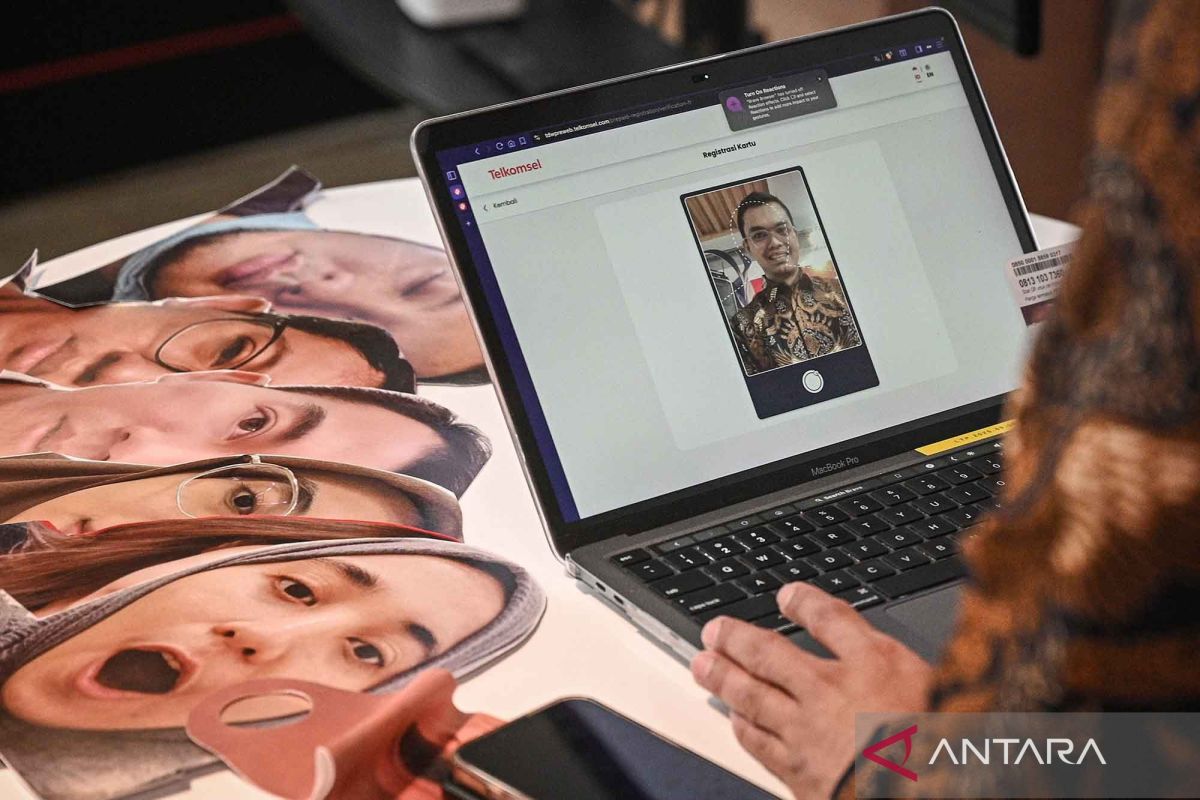
Jakarta (ANTARA) - Telecommunications observer Heru Sutadi believes that the implementation of SIM card registration rules based on biometric data, supported by facial recognition technology, can strengthen trust in the national digital ecosystem.
According to him, the application of biometric-based SIM registration methods is now becoming crucial because mobile numbers have become part of the public’s digital identity, linked to banking accounts, e-commerce platforms, and government services.
“A more accurate customer database will help create a more trustworthy digital ecosystem,” said the Executive Director of the Information and Communication Technology (ICT) Institute when contacted by ANTARA from Jakarta on Wednesday.
He stated that the implementation of biometric-based SIM registration systems could also reduce the possibility of using anonymous SIM cards to commit online crimes.
However, he warned that the implementation of these SIM registration rules must continue to prioritise personal data protection and digital inclusion to avoid creating barriers for certain groups of society.
He cautioned that the application of new SIM registration rules should not make it difficult for people in remote areas or vulnerable groups to access telecommunications services due to infrastructure limitations or inflexible verification processes.
As an example, perpetrators of digital fraud, scam calls, and phishing often exploit data leaks and use social engineering to commit crimes.
Heru emphasised that the implementation of biometric-based SIM registration rules must be accompanied by measures for supervision, law enforcement, and the improvement of public digital literacy.
“Its success must be supported by strong supervision, law enforcement, public digital literacy, as well as coordination with the banking sector and digital platforms,” said Heru.
The government will implement mobile phone SIM registration rules based on biometric data starting 1 July 2026, in order to protect the public from the misuse of mobile numbers and various forms of digital crime.
The implementation of the biometric-based SIM registration system will be supported by the use of facial recognition technology to match customer identities with government population data.