
Biogas Holds Potential to Drive Renewable Energy Utilisation in Rural Areas
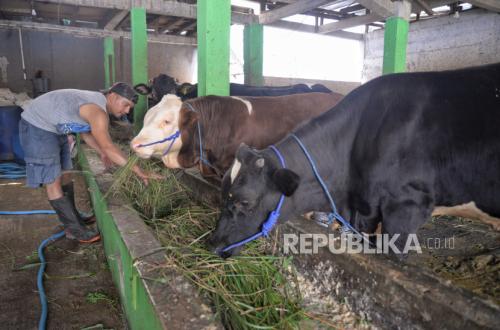
Indonesia is expected to continue developing the use of biogas as a source of new and renewable energy (EBT) to accelerate the national energy transition and support the achievement of renewable energy mix targets. Fabian Peri Wiropranoto, a researcher from Su-re.co (PT Sustainability and Resilience), stated that biogas development will provide widespread benefits and create added value environmentally, economically, and socially. According to him, the utilisation of biogas can produce clean energy, create jobs, and open opportunities for local economic development, including the agrotourism sector.
“Why do we choose biogas for renewable energy development in rural areas? Because biogas offers numerous benefits, ranging from health to the circular economy. Biogas converts organic waste into value-added energy,” he said during the Pentahelix Dialogue: Mainstreaming Renewable Energy held in Jakarta on Thursday (30/07/2026).
Fabian explained that the energy produced from processing organic waste can serve as a solution to various problems faced by rural communities. Based on studies by su-re.co in three regions—Bajawa, Sumba, and Bali—rural populations still rely on firewood as their primary energy source for cooking. This condition leads to negative impacts, such as the time burden of gathering firewood and health risks due to smoke exposure. Su-re.co noted that 98% of households in Sumba, East Nusa Tenggara (NTT), experience health issues related to smoke exposure from cooking with firewood.
“Clean energy is still rare in rural areas, leading to numerous problems regarding health and emissions. In reality, rural areas possess abundant raw materials for biogas in the form of agricultural and livestock waste,” he added. In a macro context, he believes that the utilisation of biogas will assist Indonesia in achieving its renewable energy mix target of 17-21% of the total national energy mix by 2026.