
Biodiesel Strengthens, Supply Becomes Key: Palm Oil Roadmap for Energy Resilience
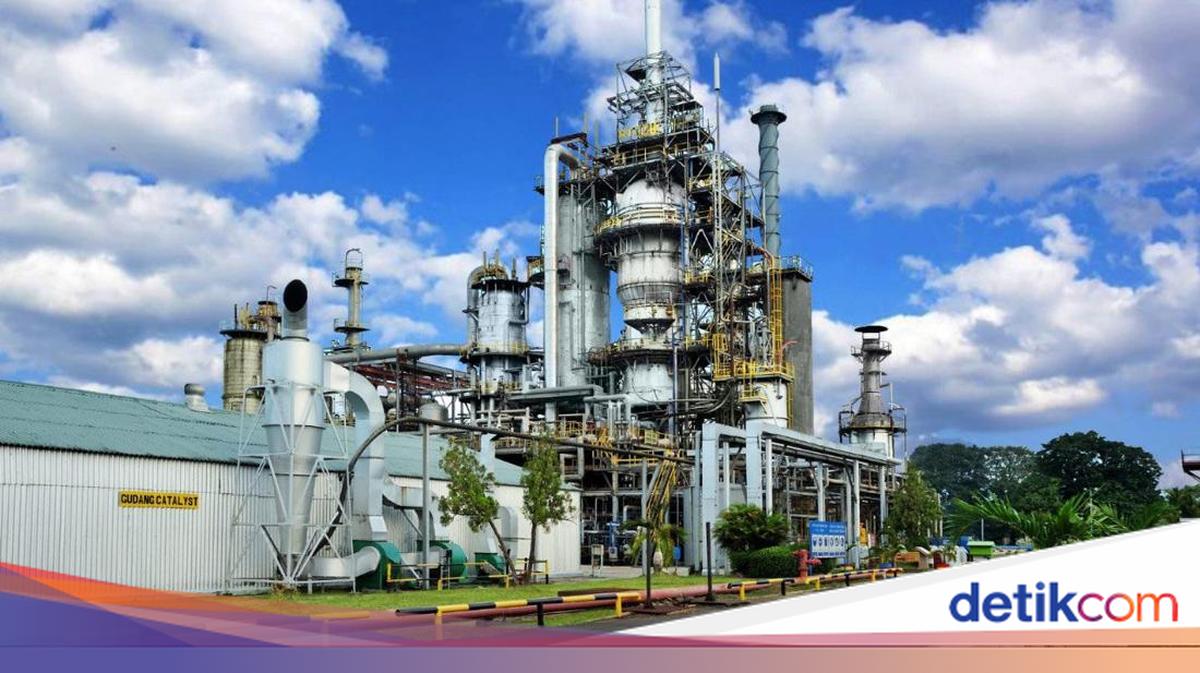
As energy returns to being a strategic issue, biodiesel is often cited as one of the instruments of national resilience. However, strengthening biodiesel is not just about energy policy—it depends on one key question: is the supply of palm oil raw materials (TBS/CPO) sufficient and sustainable, without pressuring food needs or adding environmental governance risks.
This is where the palm oil discussion shifts: not merely downstreaming, but supply strategy. A more accountable sequence begins with intensification, namely increasing productivity of existing plantations. If there is still a supply gap, additional options must be discussed based on data, governance prerequisites, and clear oversight.
The government has set the implementation of B40 biodiesel for diesel. The next policy direction is to gradually increase the biodiesel blend percentage. Each increase in the mandatory biodiesel percentage like this directly impacts the need for raw materials or feedstock. The Minister of Energy and Mineral Resources (ESDM), Bahlil Lahadalia, described B40 as a foundation to encourage further increases towards B50.
“If this runs well, under President Prabowo’s direction, we will push for B50 implementation in 2026 and if we do this, then our diesel imports, God willing, will be completely eliminated by 2026,” said Bahlil.
The aim of this policy, within the framework of energy resilience, is particularly related to reducing diesel imports and strengthening the domestic energy mix. At the same time, the government is continuing a series of B50 tests across sectors. The Director General of New, Renewable Energy, and Energy Conservation (EBTKE) of the Ministry of ESDM, Eniya Listiani Dewi, stated that road tests have been conducted simultaneously since December 2025 in various sectors such as automotive, mining, agricultural equipment, maritime, power generation, and rail, with interim results up to April 2026 declared safe and without significant issues. Such technical test results provide context that usage compatibility aspects are continuously prepared, but still leave the main question on the upstream side: how ready is the TBS/CPO supply to follow the rising biodiesel demand.
This is where the palm oil supply becomes the backbone of the policy. TBS and CPO are not merely export commodities, but raw materials that must be allocated for multiple needs at once, from food, energy, to industrial and foreign trade requirements.
If the supply is not elastic enough when biodiesel demand increases, the impacts can spill over to various sides. Pressure on domestic supply risks driving up cooking oil prices, disrupting food market stability, while also reducing export space that has long been a source of foreign exchange. In certain situations, supply unreadiness can also trigger fiscal and inflation consequences, especially if incentive or price stabilisation mechanisms need to work harder to keep the programme running and domestic prices stable.
With such demand patterns, additional biodiesel demand cannot automatically be met without consequences, especially if production moves slower than the rise in needs. This is where the TBS and CPO supply issue becomes crucial: what is needed is not just national production volume, but production that is sufficiently stable, with increasing productivity, and the ability of the supply system to channel raw materials to industry efficiently.
From the production condition side, the government maps the large scale of the palm oil sector. Acting Director General of Plantations Abdul Roni Angkat stated that the national palm oil plantation area is around 16.83 million hectares, with projected CPO production in 2025 at about 48.12 million tonnes. Meanwhile, Minister of Agriculture Andi Amran Sulaiman emphasised increasing production and efficiency from upstream to downstream in line with the large biodiesel needs.
These two explanations show that supply readiness is a key point in biodiesel policy. The figures mentioned depict the basic supply capacity, but also indicate that room for production increases is not only determined by area expansion, but by how far plantation productivity can be improved and how much losses in the supply chain can be reduced. Stagnation or supply limitations also relate to non-technical factors that often hinder output increases.
If the supply is not ready when the mandate rises, the risks that emerge usually appear on three fronts at once. The first track is pressure on the domestic market, particularly cooking oil, because CPO allocation for energy could potentially increase competition against food needs. The second track is implications for exports and foreign exchange, because increased domestic priority could reduce export space if additional supply is not sufficient.
The third track relates to policy cost stability, because tight supply and rising raw material prices could increase the need for incentive support so that the biodiesel programme continues to run and downstream prices do not fluctuate. Within the energy resilience framework, these three risk tracks are important because they show that mandatory targets are not just a matter of technical blending, but a matter of balancing supply and commodity allocation domestically.
In supply policy discussions, the sequence of steps is often arranged so that additional needs are first sought from existing land and from efficiency improvements, before other options are discussed. Intensification becomes the entry point because it focuses on increasing productivity per hectare through superior seeds, more precise fertilisation, improved cultivation practices, and technological support. In Indonesia, intensification is often linked to productivity gaps between smallholder plantations and large estates, so productivity improvements d
Source: jawawa.id (https://jawawa.id/newsitem/biodiesel-strengthens-supply-becomes-key-palm-oil-roadmap-for-energy-resilience-1777449198)
Originally published by detikcom (https://news.detik.com/intermeso/d-8466752/biodiesel-menguat-pasokan-jadi-kunci-roadmap-sawit-untuk-ketahanan-energi), translated from Indonesian