
Biodiesel Governance Reform Seen to Strengthen B50 Implementation
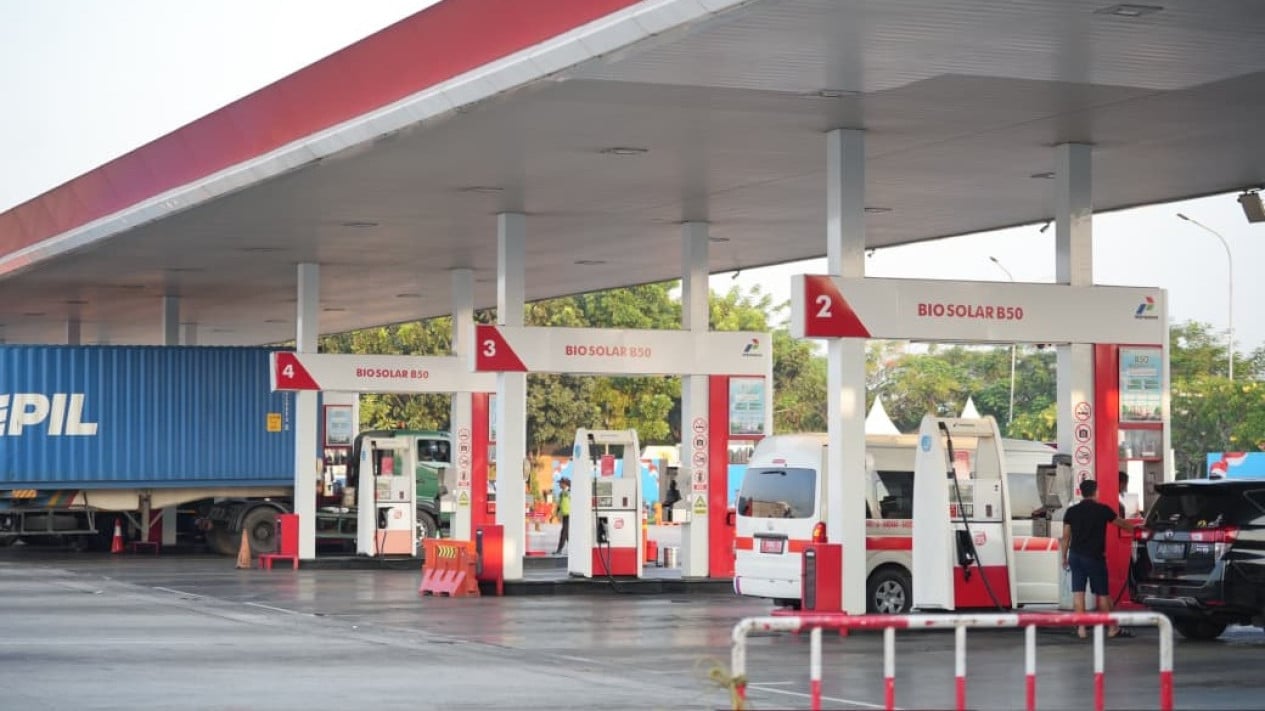
The implementation of the B50 biodiesel mandate is considered capable of strengthening national energy security. However, behind this policy lie numerous hidden costs and liabilities. Consequently, the success of biodiesel implementation depends on governance that can balance energy, economic, social, and environmental interests.
This issue emerged during a Strategic Discussion titled ‘B50 and Indonesia’s Biodiesel Governance: Finding the Intersection between Energy, Economy, Social, and Ecology’ in Jakarta. Tommy Ardian Pratama, Executive Director of Traction Energy Asia, stated that the study ‘Is B50 Worth It? The Costs of Indonesia’s Biodiesel Mandate, and Reforms That Can Change the Answer’ calculates various costs and consequences that have not been fully accounted for in B50 implementation. These include fiscal burdens, carbon debt, engine damage, and the net social benefits of the biodiesel policy.
These findings align with a separate study conducted by LPEM FEB Universitas Indonesia regarding the various economic consequences of B50 implementation. “This study aims to see how biodiesel policy can be implemented sustainably by finding the intersection between energy, economic, social, and ecological aspects,” Tommy stated in a release on Friday, 31 July 2026.
Tommy revealed that biodiesel is a strategic policy with a broad impact on society, thus requiring a stronger governance foundation. Currently, biodiesel regulation relies on the Decree of the Minister of Energy and Mineral Resources (ESDM), necessitating regulatory strengthening to provide long-term certainty.
Furthermore, he assessed that governance reform should include the involvement of independent palm oil smallholders in the supply chain, the diversification of biodiesel raw materials through the use of used cooking oil, and the strengthening of institutions managing the biodiesel programme.
During the same event, Yayan Satyakti, a lecturer at the Faculty of Economics and Business, Padjadjaran University and the lead researcher of the study, emphasised that sustainable biodiesel governance must be able to balance economic, social, and environmental objectives simultaneously. According to Yayan, energy security is not only related to energy supply but also encompasses aspects of consumption, distribution, affordability, accessibility, and sustainability. Furthermore, Yayan asserted that the success of biodiesel policy cannot be determined solely by blending targets, but also by the institutions managing funding, incentives, and the biodiesel supply chain.