
Bio-RV, Neonatal Rotavirus Vaccine from Bio Farma and MCRI Collaboration, Obtains BPOM RI Marketing Authorisation
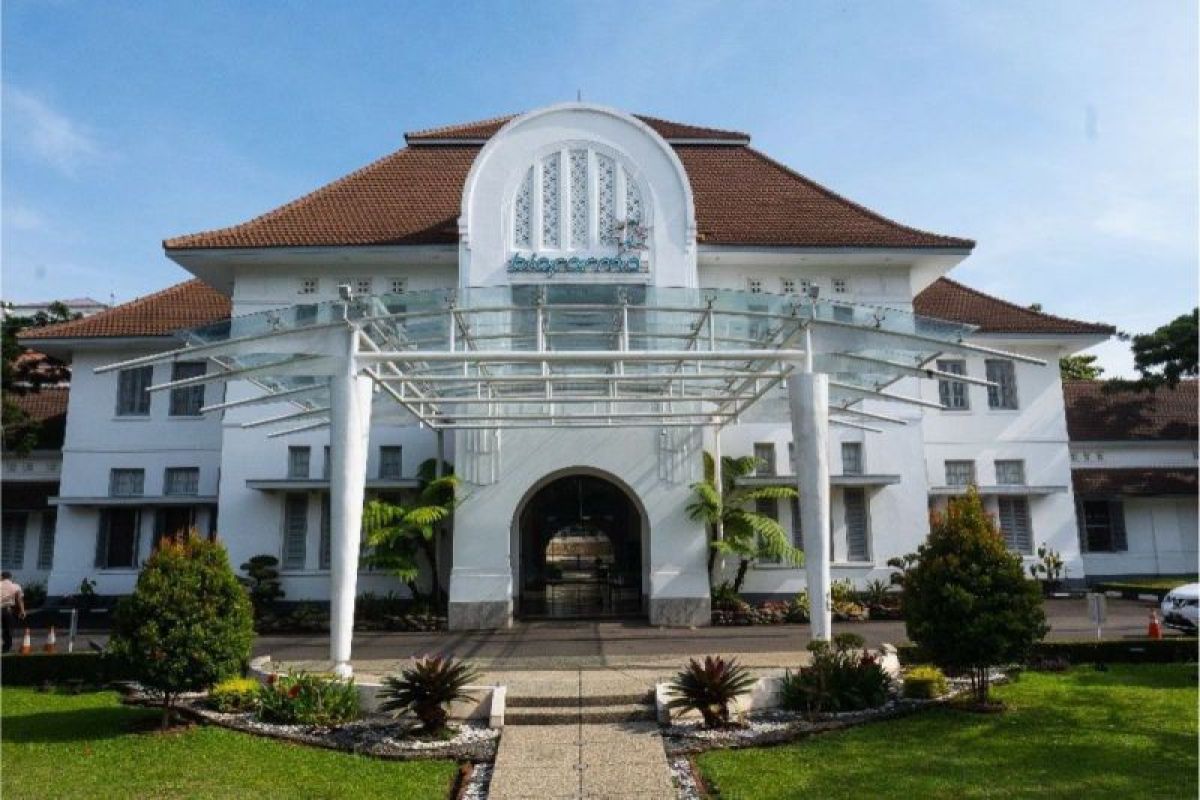
Jakarta (ANTARA) - PT Bio Farma (Persero), in partnership with the Murdoch Children’s Research Institute (MCRI), has marked a significant milestone in efforts to strengthen child protection against rotavirus diseases with the issuance of a Marketing Authorisation Number (NIE) for the Bio-RV product, a neonatal rotavirus vaccine, by the Indonesian Food and Drug Authority (BPOM RI).
Bio Farma officially obtained the NIE for the Bio-RV vaccine on 2 September 2026. The issuance of this authorisation represents a major milestone following a series of research, process development, pre-clinical and clinical trials, technology transfer, registration, and manufacturing preparations involving various national and international institutions.
The issuance of the NIE signifies that Bio-RV has undergone BPOM RI’s evaluation regarding safety, efficacy, and quality in accordance with applicable regulatory standards and provisions. For Bio Farma and MCRI, this achievement demonstrates how collaboration between research institutions, academia, industry, and global partners can be translated into biotechnological innovations with the potential to provide real benefits to public health.
Bio-RV is a naturally attenuated live rotavirus vaccine administered orally. The vaccine is intended to prevent gastroenteritis or acute diarrhoea caused by rotavirus infection and is administered in three doses: the first dose at 0–5 days of age, the second dose at 8–10 weeks, and the third dose at 12–14 weeks. These characteristics allow vaccination to begin during the neonatal period, ensuring protection against rotavirus-related diseases can be established from the earliest stages of an infant’s life.
The presence of Bio-RV is highly relevant given that rotavirus remains one of the leading causes of severe diarrhoea in infants and toddlers. The Indonesian Ministry of Health, referring to data from the Indonesia Rotavirus Surveillance Network for the 2001–2017 period, stated that rotavirus causes approximately 41%–58% of diarrhoea cases in hospitalised toddlers. Recurrent diarrhoea can also interfere with nutrient absorption and increase the risk of growth disorders in children.
The President Director of Bio Farma, Shadiq Akasya, stated that obtaining the NIE for Bio-RV is part of Bio Farma’s commitment to introducing vaccine innovations that address public health needs while strengthening national capabilities in vaccine development.
“Bio-RV is not just about the arrival of a new vaccine product. Behind this achievement lies a long journey of scientific development, process development, pre-clinical and clinical trials, technology transfer, registration, and manufacturing preparation. The entire process was carried out through collaboration between researchers, academics, industry, and global partners,” said Shadiq.
According to Shadiq, the ability of Bio-RV to be administered on a neonatal schedule opens opportunities to build protection against rotavirus from the early stages of life.
“What we want to provide is protection as early as possible for Indonesian children, while ensuring that Indonesia has the capability to guarantee a sustainable and independent vaccine supply. This is part of Bio Farma’s contribution to strengthening national health resilience and sovereignty,” he added.
The development of Bio-RV originated from the RV3-BB vaccine candidate, based on a neonatal rotavirus strain developed by MCRI. The collaboration subsequently progressed through clinical research and further development to prepare for the production of Bio-RV in Indonesia.
Human rotavirus was first identified in 1973 by Professor Ruth Bishop of MCRI alongside Professor Ian Holmes from the University of Melbourne. Shortly thereafter, Professor Bishop and Professor Barnes of MCRI collaborated with Professor Yati Soenarto from Gadjah Mada University, who was the first to confirm that rotavirus is the most frequent cause of diarrhoea-related deaths and hospitalisation in children in Indonesia. In 1982, Professor Bishop identified RV3, a unique rotavirus strain that infects newborns without causing disease and is known to provide protection against severe rotavirus-induced diarrhoea later in life.
Based on this discovery, Professor Julie Bines of MCRI led the development of RV3-BB as a live oral vaccine for neonatal administration, ranging from the development of promising natural strains to the clinical development stages in Australia, New Zealand, and Indonesia. This development serves as the foundation for Bio Farma’s Bio-RV vaccine. The close 50-year collaboration between the UGM team and MCRI played a vital role in the clinical development of the RV3-BB vaccine from MCRI and Bio Farma’s Bio-RV. The development of the RV3-BB vaccine by MCRI was made possible through funding support from the Gates Foundation and the Australian National Health and Medical Research Council. MCRI also expressed appreciation for the Australian Government’s continuous support for global health through the Department of Foreign Affairs and Trade.
The collaboration between Bio Farma and MCRI was further strengthened by the involvement of various partners, including Gadjah Mada University (UGM), Airlangga University through the Airlangga Integrated Research Clinic (AIRC), and PATH during various stages of development.
This collaboration does not only result in a product but also strengthens Bio Farma’s capability to build a vaccine innovation ecosystem in Indonesia through cooperation between global research institutions, national academics, and industry. Mastering the development and manufacturing processes of the Bio-RV vaccine domestically is expected to strengthen vaccine availability, reduce dependence on imported products, and support the sustainability of the National Immunisation Programme.
As part of the Danantara Indonesia ecosystem, Bio Farma continues to strive to transform national strategic assets and capabilities into tangible benefits for the community, upholding good governance, professionalism, and integrity. The development of Bio-RV is a concrete form of this contribution.
Source: jawawa.id (https://jawawa.id/newsitem/bio-rv-neonatal-rotavirus-vaccine-from-bio-farma-and-mcri-collaboration-obtains-bpom-ri-marketing-1788505489)
Originally published by Antara (Indonesian) (https://www.antaranews.com/berita/5725664/bio-rv-vaksin-rotavirus-neonatal-kolaborasi-bio-farma-dan-mcri-peroleh-izin-edar-bpom-ri), translated from Indonesian