
Bio Farma Presents Research into Next-Generation TB Vaccine Candidate
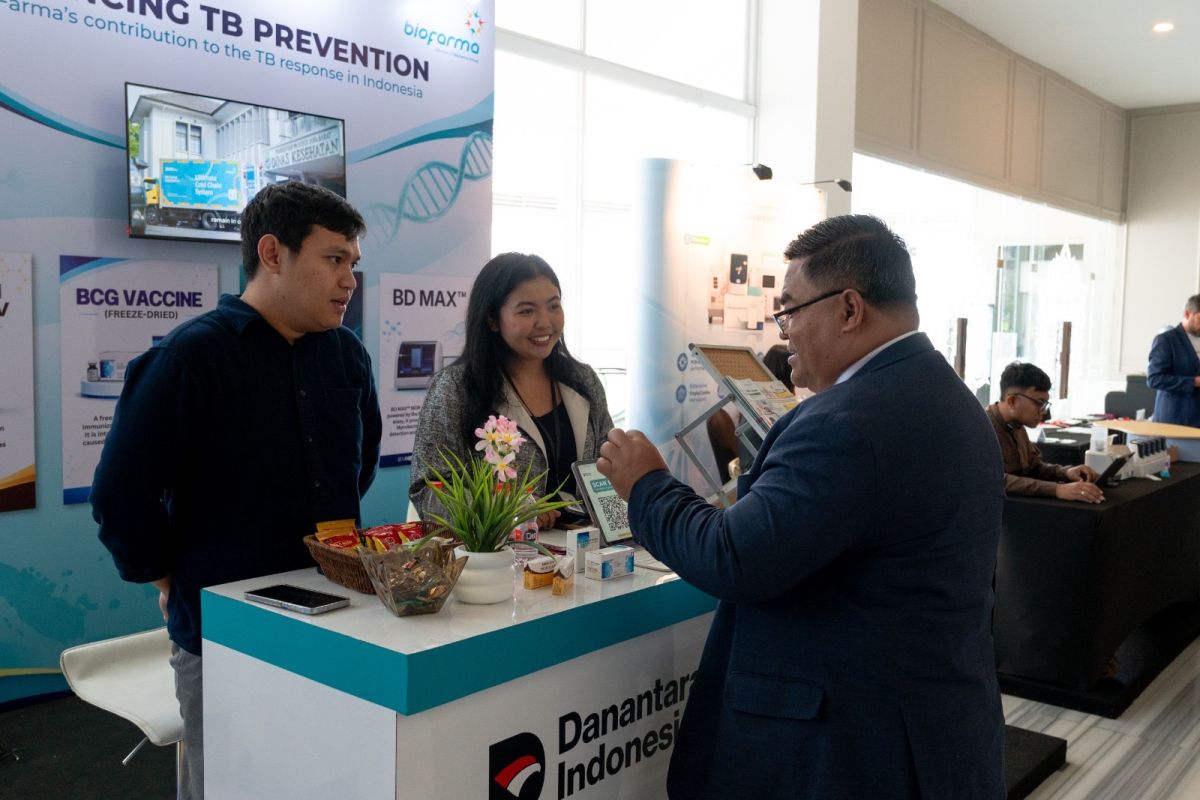
Denpasar (ANTARA) – State-owned pharmaceutical company PT Bio Farma (Persero) presented its research into a liposome-based tuberculosis (TB) vaccine candidate using the Lipovaxin platform at the 40th Stop TB Partnership Board Meeting in Denpasar, Bali, on Friday.
The candidate is being developed in collaboration with Australia-based Lipotek.
“We are currently developing a next-generation TB vaccine,” Bio Farma Research and Development Director Dicky Mahardhika Taryono said during a session entitled “TB Vaccines: Are We Ready?” in Denpasar.
Dicky said Bio Farma had been making technical and manufacturing preparations alongside the candidate’s development. He hopes the project will reach a more advanced stage in 2028 or 2029, potentially including production scale-up. Progress will depend on clinical trial results and compliance with regulatory requirements.
Dicky stressed the importance of cross-sector collaboration to ensure vaccine development supports efforts to eliminate TB. The World Health Organization estimates that Indonesia accounted for around 10 per cent of people living with TB worldwide in 2024, making it the second-largest contributor after India.
In an interview on the sidelines of the forum, Bio Farma President Director Shadiq Akasya highlighted the potential of M72/AS01E, a TB vaccine candidate originally developed by GlaxoSmithKline (GSK). The candidate has completed Phase 1 and Phase 2 clinical trials and is currently undergoing a Phase 3 trial sponsored by the Gates Medical Research Institute (Gates MRI).
“For Bio Farma, international partnerships need to strengthen Indonesia’s industrial capabilities so that we are better prepared to support the supply of TB vaccines for the public. For the M72 candidate, we are exploring cooperation with the Serum Institute of India to examine the possibility of transferring formulation technology to Indonesia,” Shadiq said.
In July 2026, Gates MRI announced an agreement with the Serum Institute of India to prepare for the production of M72 antigen. The announcement also referred to plans to involve local manufacturers in Indonesia and South Africa in parts of the supply chain.
Shadiq said affordability needed to be considered from the planning stage for providing public access to a vaccine. He cited government programmes and commercial channels as possible ways of supplying a vaccine if it eventually receives marketing authorisation. A programme-based scheme would follow government policy. If the vaccine were marketed commercially, research costs, facility investment and operating expenses would be factors in setting the price.
Shadiq hopes industrial preparations and coordination with regulators will support a more efficient evaluation process. Marketing authorisation decisions will follow the Indonesian Food and Drug Authority’s (BPOM) assessment of clinical trial data and regulatory requirements. If the vaccine is approved, these preparations are expected to help Bio Farma ensure supply for the public.
Source: jawawa.id (https://jawawa.id/newsitem/bio-farma-presents-research-into-next-generation-tb-vaccine-candidate-1793965922)
Originally published by Antara (Indonesian) (https://www.antaranews.com/berita/5836959/bio-farma-paparkan-riset-kandidat-vaksin-tb-generasi-baru), translated from Indonesian