
Bima Arya Urges Local Governments to Prepare Disaster Mitigation from Planning Stages
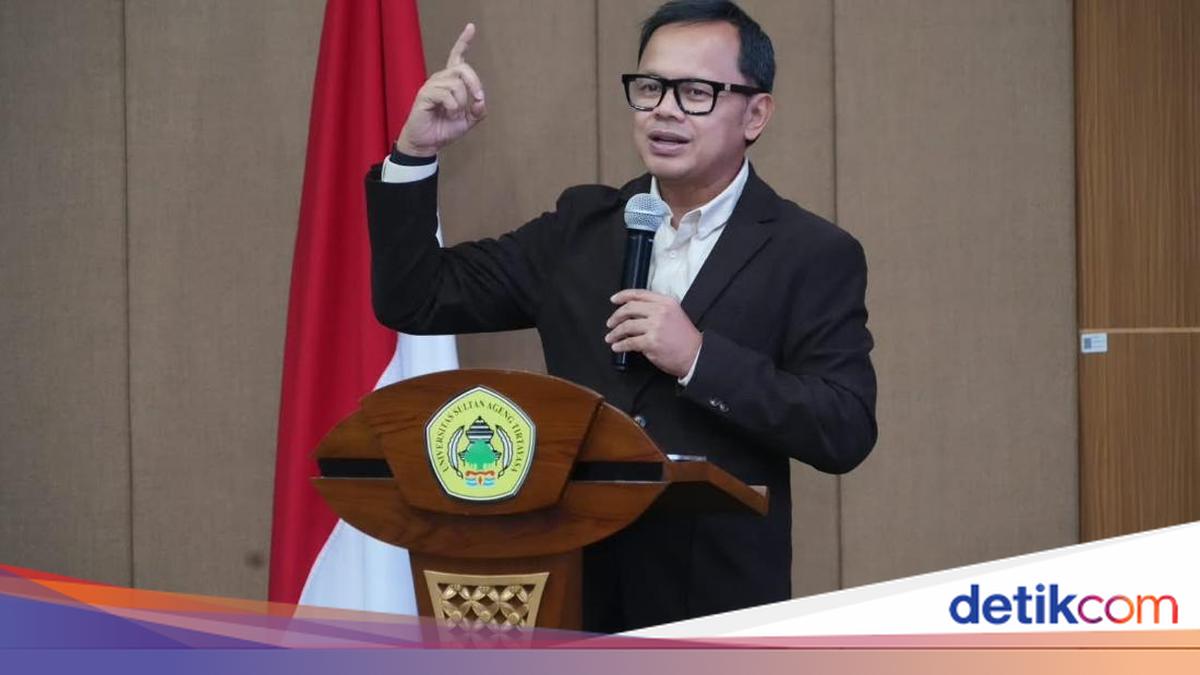
The Deputy Minister of Home Affairs, Bima Arya Sugiarto, is urging local governments to build disaster resilience through a new, responsive, and anticipatory paradigm. According to him, this paradigm needs to shift away from the old reactive approach by strengthening mitigation efforts and disaster investment starting from the planning stages.
He shared this during his keynote speech at the 3rd SENANDIKA (National Seminar on Public Administration Untirta) 2026, titled ‘Climate Change Adaptation Policy and Coastal Disaster Mitigation’, held at the Sultan Ageng Tirtayasa University (Untirta) Convention Hall, Serang, Banten, on Wednesday (7/10).
In its implementation, Bima emphasised the importance of regional heads understanding the characteristics, needs, and disaster risks of their respective areas. This is a vital component in developing disaster policies that align with local conditions.
“Therefore, I am encouraging the Governor of Banten, Andra Soni, as well as regents and mayors within Banten Province, to care deeply about these issues, especially regarding climate change. Local governments understand the character, needs, and risks of their regions best,” Bima stated in his remarks on Wednesday.
Bima added that a paradigm shift in disaster management is necessary. After Indonesia experienced various phases and major disasters, such as the Aceh tsunami, the government has significantly developed capacities for fast response, emergency, and disaster management.
This led to the formation of the National Disaster Management Agency (BNPB) and Regional Disaster Management Agencies (BPBD), which strengthened the responsive paradigm in disaster handling.
“We must move quickly now. Having served as a mayor for 10 years, I have experienced firsthand how we must act swiftly during disasters. I have dealt with floods, landslides, and tornadoes. Alongside other regional heads, we are constantly trained to improve rapid response. We are getting better at this,” he said.
Bima continued that it is no longer sufficient for local governments to rely solely on a responsive paradigm; they must also strengthen an anticipatory paradigm. He noted that an understanding of disaster mitigation needs to be built down to the community level.
He cited the implementation of disaster anticipation in Japan as an example. During an earthquake, the public understands the necessary safety steps, such as taking cover under a table and avoiding immediate exits to reduce risks. Furthermore, the public is equipped with disaster kits, including backpacks containing essentials like torches, medicines, and clothing.
Additionally, he asserted that disaster anticipation and mitigation efforts must be included in local government planning. Consequently, when public funds are allocated for development, they should not only be directed towards infrastructure but also towards supporting disaster mitigation needs through the Regional Budget (APBD) mechanism.
“How much of the APBD is allocated for spatial planning that is resilient to disasters? Are there disaster-resistant buildings? Are there pavements, pedestrian paths, and evacuation meeting points, as well as disaster education? Are these present?” he questioned.
Bima also pointed to the practices in West Sumatra Province, which has faced repeated disasters yet maintains a high level of resilience. In practice, West Sumatra includes disaster mitigation in its APBD, ensuring specific allocations for these needs.
Furthermore, he emphasised that these efforts must begin at the planning stage and be carried out in an integrated manner with various relevant ministries and agencies.
“The challenge today is that planning, budgeting, and indicators are often different. Our challenge is to build integration across all sectors,” he added.
At the conclusion of his presentation, Bima also encouraged students to play an active role in reminding regional heads about the importance of climate change issues. He noted that various communities can also participate in urging local governments to build anticipatory disaster systems.
“Do not remain silent. You may feel distant from this, but your lives depend on the anticipatory steps taken by local governments—specifically, how safe your homes are from the possibility of disasters,” he concluded.
Source: jawawa.id (https://jawawa.id/newsitem/bima-arya-urges-local-governments-to-prepare-disaster-mitigation-from-planning-stages-1791367365)
Originally published by detikcom (https://news.detik.com/berita/d-8696615/bima-arya-dorong-pemda-siapkan-mitigasi-bencana-sejak-tahap-perencanaan), translated from Indonesian