
Bima Arya: Regional Governments Are the Key to Accelerating the Energy Transition
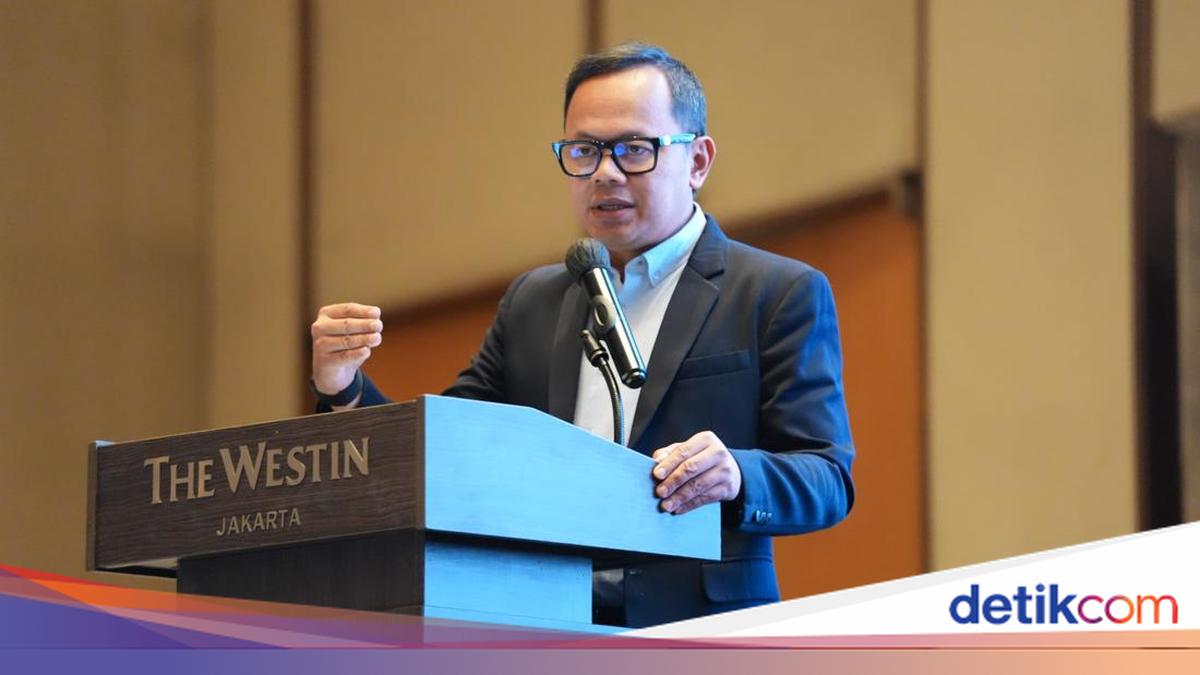
Deputy Minister of Home Affairs (Wamendagri) Bima Arya Sugiarto has stressed the strategic role of regional governments as the primary key to accelerating the energy transition. According to him, visions and missions related to the energy transition must be translated into concrete, measurable actions, with clear targets and indicators.
“When it comes to the energy transition, the key truly lies with regional governments. Regional governments hold the territories, they have budgets, they have programme designs, and our Nationally Determined Contribution targets are genuinely determined and shaped by our colleagues in regional governments,” he said in a written statement on Tuesday (15/9/2026).
Bima delivered these remarks while giving a keynote speech at a High-Level Policy Dialogue Forum themed ‘Accelerating a Just and Inclusive Energy Transition at the City and Regency Level’ at The Westin Jakarta on Tuesday (15/9).
Bima then set out seven strategic roles for regional governments in strengthening energy resilience and reducing emissions through a just energy transition.
First, regional governments need a clear baseline as the foundation for policy-making. This includes conducting an accurate inventory of regional emissions to understand the conditions of each area.
Second, the results of that inventory can serve as regional heads’ contribution to data provision at the national level. Accurate regional data is needed to strengthen the national picture of emissions conditions.
Third, regional governments must draw up a Regional General Energy Plan (RUED) in accordance with their statutory mandate. Developing the RUED is considered important so that regional energy policies can run in a synchronised and harmonious manner.
Fourth, regional governments must take concrete action by controlling the sectors that contribute most to emissions. This can be done through waste management, energy efficiency and the development of low-emission public transport.
“So once the data and baseline are in place, we will know who the main emitters are. In big cities, for example, the contributor may be transport, or in some areas it might be minivans (angkot), or in some regions it could be industry in industrial zones. So we know where to focus efforts first,” he explained.
Fifth, regional governments must adapt based on local conditions, one example being through the Climate Village Programme. This serves to strengthen communities’ resilience to the impacts of climate change.
Bima cited the practice of neighbourhood association chairman Taufiq Supriadi Yusuf in Malaka Jaya, Duren Sawit, Jakarta. According to Bima, the various initiatives undertaken by Taufiq have gone beyond his duties as a neighbourhood chairman.
“From greening, building multi-tiered ponds for fish and more, processing compost and maggots, even having solar power generation above it, chicken farming, and so on. He manages 40 houses exceptionally well, and now everyone comes to see it, and he was even invited to China to share his experience,” he revealed.
Sixth, regional governments must open up access to climate financing through partnerships with funding institutions in order to secure alternative financing sources beyond the Regional Revenue and Expenditure Budget (APBD).
Seventh, regional governments must promote green investment by attracting investment into small and medium-scale clean energy projects in their regions.
Finally, Bima reiterated the importance of translating regional energy transition commitments into actions that can be measured and evaluated.
“We hope our regional heads will translate these into measurable actions. There must be targets, there must be indicators,” he concluded.
Also in attendance at the forum were the Mayor of Banda Aceh Illiza Sa’aduddin Djamal, the Mayor of Balikpapan Rahmad Mas’ud, the Mayor of Probolinggo Aminuddin, the Mayor of Bogor Dedie Abdu Rachim, and the Chief Conservation Officer of the World Wide Fund for Nature (WWF) Indonesia, Dewi Lestari Yani Rizki.