
Billy Mambrasar: Integrating MBG Programme with SMEs to Maintain Supply in Papua
Papua is facing structural challenges in its food supply chain. When supplies of fish, chicken, eggs, and meat are limited, the impact is directly felt, not only on prices but also on national strategic programmes such as Free Nutritious Meals.
Jakarta (ANTARA) - Billy Mambrasar, a member of the Presidential Executive Committee for Special Autonomy Acceleration in Papua’s Development, suggested integrating the Free Nutritious Meals (MBG) programme with local SMEs and cooperatives as the main suppliers to maintain supplies in Papua.
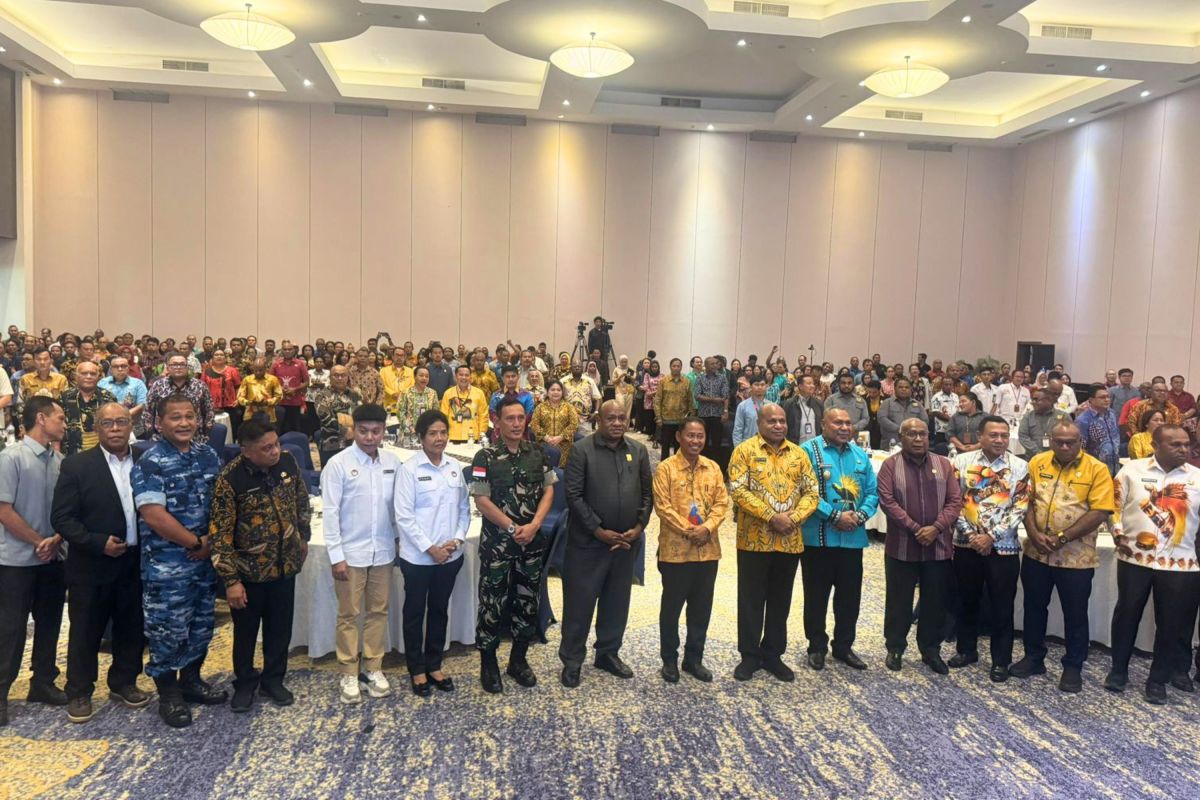
At the Opening of the Musrenbang RKPD 2027 and Additional Special Autonomy Funds for Papua in Jayapura, Papua, on Thursday (30/4), he stated that the current food security situation in Papua is under serious pressure, marked by rising prices and limited supplies of several major commodities such as fish, chicken, eggs, and meat.
“Papua is facing structural challenges in the food supply chain. When supplies of fish, chicken, eggs, and meat are limited, the impact is directly felt, not only on prices but also on national strategic programmes such as Free Nutritious Meals,” said Billy, as quoted from a statement received in Jakarta on Friday.
He emphasised that President Prabowo Subianto’s priority programmes will not run optimally without strong support from logistics systems and food production in the regions.
If the MBG kitchens lack raw materials such as fish and vegetables, he said, the nutritional quality provided to the community will be disrupted.
Thus, he opined that this is not merely an economic issue but concerns the quality of Papua’s future generations.
In addition to programme integration, Billy also recommended strengthening local production, particularly in the fisheries, chicken farming, and egg sectors based on community involvement; national logistics interventions, including distribution subsidies for Papua; and the development of cold storage or refrigerated storage and food distribution centres to maintain the quality of fish and meat.
“Cross-ministerial coordination to ensure continuity between the food, health, and economy sectors,” he added.
He also stressed the importance of an affirmative approach for Papua, given its geographical conditions and structural challenges that differ from other regions in Indonesia.
In that regard, he opined that Papua’s problems cannot be solved with ordinary approaches because specific policies are needed that focus on local food security.
“If not, national programmes will continue to face obstacles in the field,” said Billy.
Therefore, Billy stated that this situation serves as an important alarm that the success of national programmes in eastern Indonesia greatly depends on the readiness of a strong, stable, and sustainable food ecosystem.