
Bilateral Cooperation: Definition, Objectives, and Examples
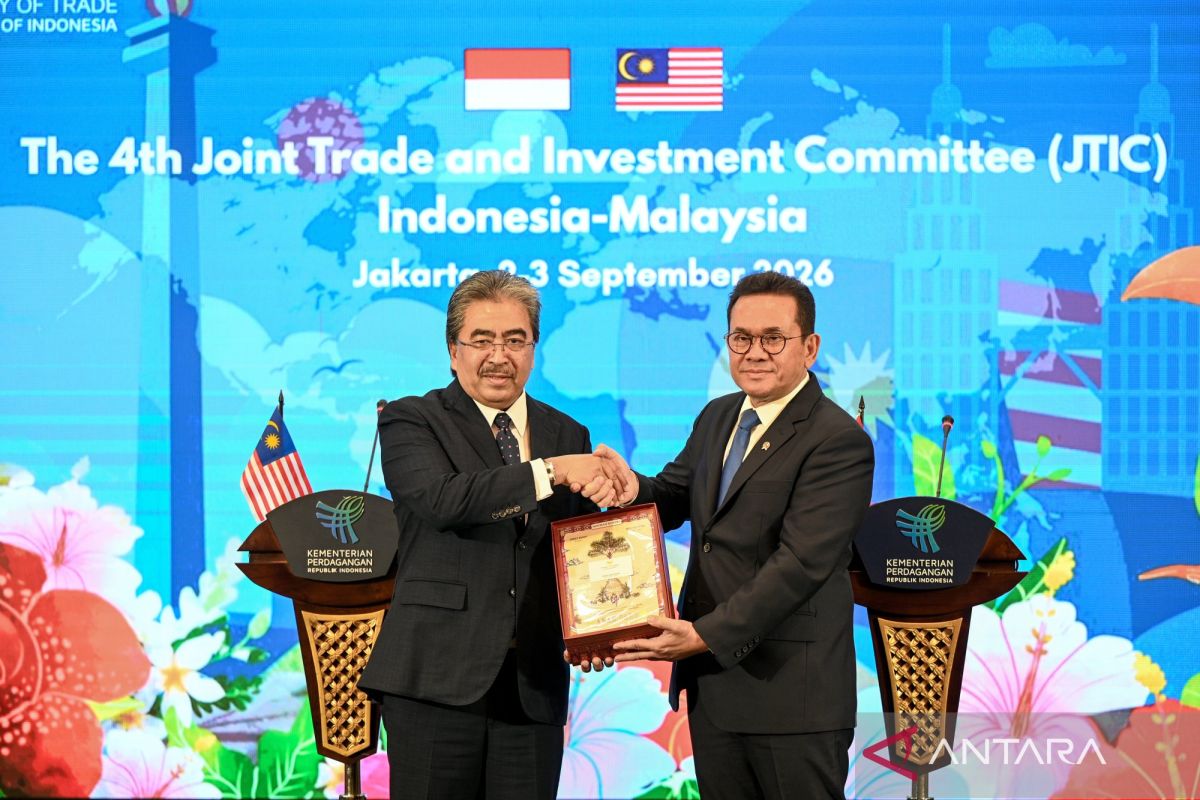
Jakarta (ANTARA) - Bilateral cooperation refers to the cooperative relationship established between two countries to achieve mutual interests. This form of cooperation can span various sectors, including economics, politics, education, social affairs, culture, defence, and technology.
In international relations, cooperation between nations serves as a method to fulfil national interests while building mutually beneficial relationships. The Ministry of Foreign Affairs (Kemlu) explains that bilateral cooperation is one of the forms of foreign relations conducted by Indonesia with friendly nations.
Definition of Bilateral Cooperation
Simply put, bilateral involves two parties. In the context of international relations, bilateral cooperation is a cooperative relationship conducted by two countries based on shared interests and mutual agreements. Such cooperation can be formalised through various forms, ranging from treaties and memoranda of understanding to strategic partnerships and intergovernmental dialogue mechanisms.
Unlike multilateral cooperation, which involves many countries, bilateral cooperation focuses more directly on the relationship between two specific nations. Indonesia itself has established bilateral relations with numerous countries. According to Ministry of Foreign Affairs data updated as of August 2025, Indonesia maintains bilateral cooperation with 162 countries and one special territory, spread across various global regions.
Bilateral cooperation is undertaken to achieve several shared objectives. The primary goals include:
Strengthening diplomatic relations: Cooperation can tighten political and diplomatic ties between two nations. Good relations can also facilitate communication when both countries face shared issues.
Boosting the economy: Bilateral cooperation can open opportunities for trade, investment, industrial development, and market access for both nations.
Improving human resource quality: Bilateral relations can also be realised through student exchanges, scholarships, training, research, and workforce capacity building.
Encouraging technology transfer: Countries with technological advantages can collaborate with their partners in research, innovation, industry, and technological development.
Maintaining security and stability: Bilateral cooperation can also encompass defence, security, transnational crime prevention, and border management.
Strengthening social and cultural ties: The exchange of culture, arts, education, and people can increase mutual understanding between two nations.
Indonesia possesses various forms of bilateral cooperation with other nations. One example is the relationship between Indonesia and the Netherlands, which includes enhancing economic ties, human resource capacity building, technology transfer, and innovation.
Another example is the relationship between Indonesia and Papua New Guinea. The two countries utilise the Annual Leaders’ Dialogue mechanism, which has been held regularly since 2022. Additionally, there are mechanisms such as the Joint Ministerial Commission and Senior Officials’ Meeting to discuss bilateral relations.
Indonesia’s cooperation with other nations can also be conducted in the fields of trade, education, investment, health, energy, the environment, defence, and various other sectors.
What is the difference between bilateral and multilateral?
The most fundamental difference lies in the number of countries involved. Bilateral cooperation involves two countries, such as cooperation between Indonesia and Japan in the fields of economics or technology.
Meanwhile, multilateral cooperation involves many countries within a single forum or agreement. An example of this is the cooperation among ASEAN member states across various sectors.
In practice, a single country can engage in both bilateral and multilateral cooperation simultaneously. ASEAN itself maintains various relationship mechanisms with partner countries, including Australia, China, Japan, South Korea, India, the United States, and several other parties.
Thus, bilateral cooperation is a cooperative relationship conducted by two countries to achieve shared interests. Its scope is quite broad, ranging from economics, politics, education, and technology to culture and security.
For Indonesia, bilateral relations are a vital part of conducting diplomacy and advocating for national interests. Through these relationships, Indonesia can unlock trade and investment opportunities while simultaneously strengthening diplomatic ties with partner nations.