
BI: US Dollar Purchase Restrictions Suppress Transactions by 9 Million Dollars per Day
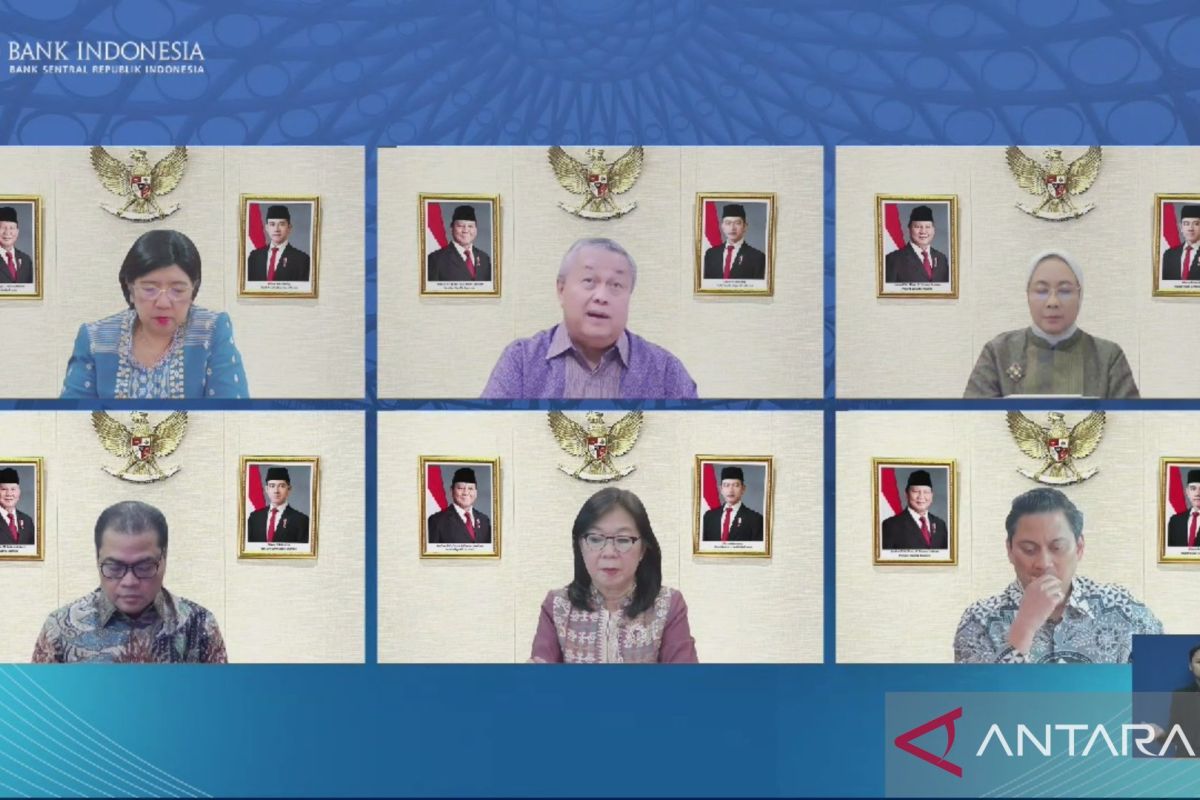
Jakarta - Bank Indonesia (BI) has reported that its policy restricting the purchase of foreign exchange, particularly US dollars, without supporting documentation has successfully reduced the average daily foreign exchange transaction volume by up to 9 million US dollars. BI currently limits the purchase of foreign exchange without underlying documents to a maximum of 25,000 US dollars per person per month. “In the first stage, when we lowered the threshold from 100,000 dollars to 50,000 dollars, we managed to reduce the daily average by 16 million US dollars. In the second stage, from 50,000 dollars to 25,000 dollars, we reduced the daily average by 9 million US dollars,” said BI Deputy Governor Thomas Djiwandono during a press conference following the BI Board of Governors Meeting in Jakarta on Thursday. As a follow-up measure, he explained that BI will again cut the limit for purchasing foreign exchange against the rupiah without underlying documents to a maximum of 10,000 US dollars per person per month. This policy will take effect on 1 July 2026. According to Thomas, the latest policy is expected to increase the proportion of foreign exchange transactions supported by clear documentation or transaction purposes. “We project that with the reduction to 10,000 US dollars effective on 1 July 2026, this will increase transactions with underlying documents to 98.1 per cent of total foreign exchange transactions,” Thomas stated. BI Governor Perry Warjiyo said the policy is part of the central bank’s efforts to strengthen prudential principles in the financial market while maintaining rupiah exchange rate stability. He added that the policy reinforcement also aims to improve the quality of foreign exchange transactions, so they better reflect real economic needs and reduce speculative transactions.