
BI Tightens Forex Rules: USD 10,000 Limit for Non-Underlying Purchases from July 1
Bank Indonesia (BI) has announced a significant tightening of foreign exchange (forex) transaction rules, lowering the limit for purchasing foreign currency against the rupiah without supporting documents (underlying) to a maximum of USD 10,000 per person per month. The new policy will take effect on 1 July 2026.
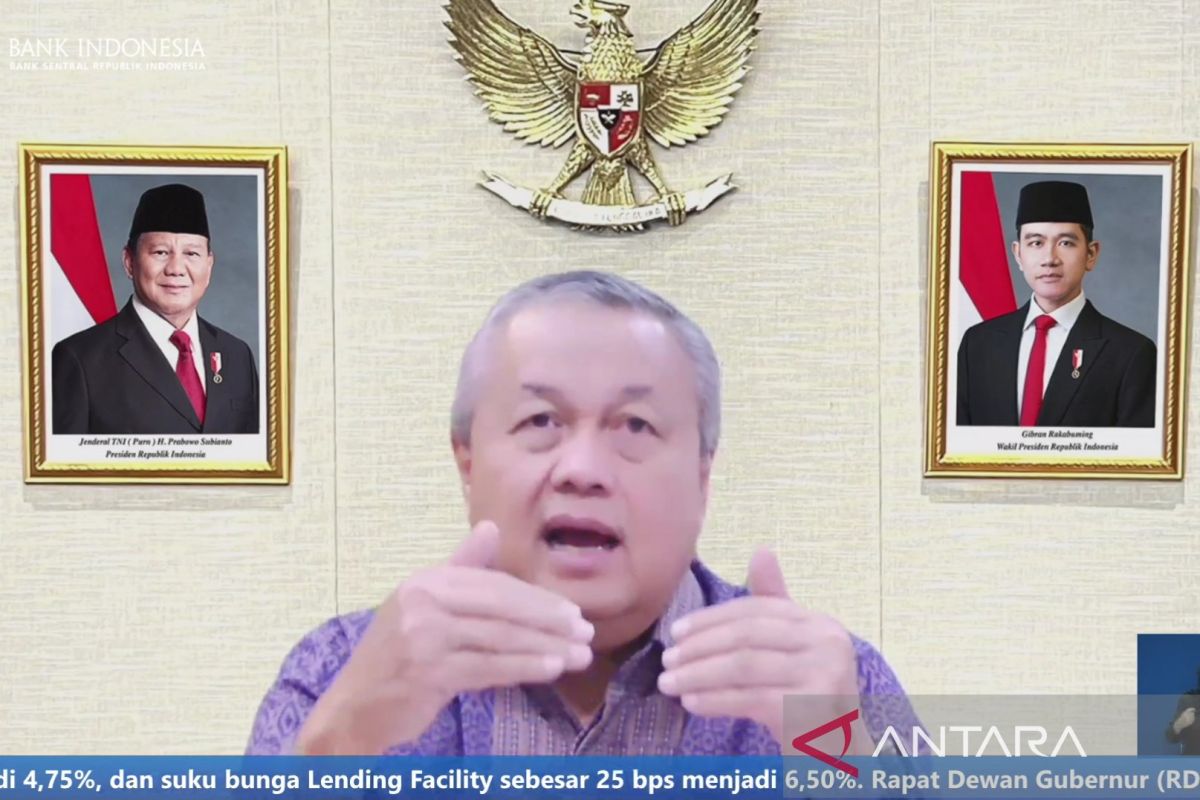
BI Governor Perry Warjiyo stated that the measure is part of efforts to strengthen prudential principles in the Money Market and Foreign Exchange Market (PUVA) and to maintain the stability of the rupiah exchange rate. “The strengthening of prudential principles in PUVA is carried out through the implementation of a reduction in the threshold for cash purchases of foreign currency against the rupiah without underlying to USD 10,000 per transactor per month, effective 1 July 2026,” Perry said during a press conference following the Board of Governors Meeting in Jakarta on Thursday.
In addition to limiting cash purchases, the central bank is also tightening supervision of foreign exchange traffic by adjusting the documentation requirements for overseas fund transfers. Starting 1 July 2026, any transfer of funds abroad in foreign currency exceeding USD 25,000 will require supporting documents. This marks a significant reduction from the previous threshold, which only mandated documentation for transactions above USD 50,000.
Perry emphasised that these policies are part of BI’s broader strategy to enhance prudential oversight while maintaining financial market stability and supporting the rupiah exchange rate. Concurrently, BI is committed to deepening the PUVA ecosystem to increase the attractiveness of foreign investment and strengthen the effectiveness of monetary policy. This includes expanding the ecosystem’s products, pricing mechanisms, participants, and infrastructure to support the utilisation of Local Currency Transactions (LCT) with partner countries to facilitate trade and investment.