
BI Stress Test Shows Indonesian Banks Resilient Amid Middle East War Impact
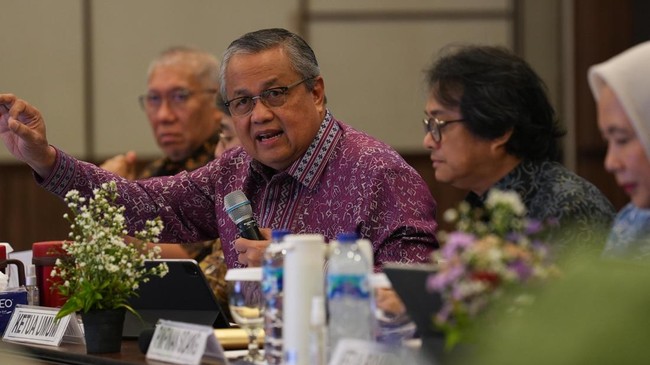
The prolonged conflict in the Middle East is not expected to significantly affect the stability of Indonesia’s banking sector, according to stress test results from Bank Indonesia (BI). The assessment shows that the resilience of banks remains strong in the face of various risks, supported by well-maintained corporate repayment capacity and profitability.
BI Governor Perry Warjiyo stated during a press conference on Wednesday that the banking sector’s robust capacity to mitigate global uncertainty on the financial system is reflected in high capital levels, low credit risk, and adequate industry liquidity. The banking sector’s Capital Adequacy Ratio (CAR) was recorded at a high 23.74% in May 2026, indicating a strong ability to absorb risk and support credit growth.
The aggregate Non-Performing Loan (NPL) ratio remained low at 2.17% gross and 0.84% net in May 2026. Meanwhile, the ratio of Liquid Assets to Third-Party Funds (AL/DPK) for the banking industry was recorded at 23.08% in June 2026, down from 24.74% in May 2026.
‘Going forward, Bank Indonesia will continue to strengthen macroprudential policy and policy synergy with the Financial System Stability Committee (KSSK) to help maintain financial system stability, including safeguarding liquidity adequacy and mitigating inter-bank liquidity segmentation,’ Perry said.