
BI: Retail KKI strengthens MSME capacity in Bali
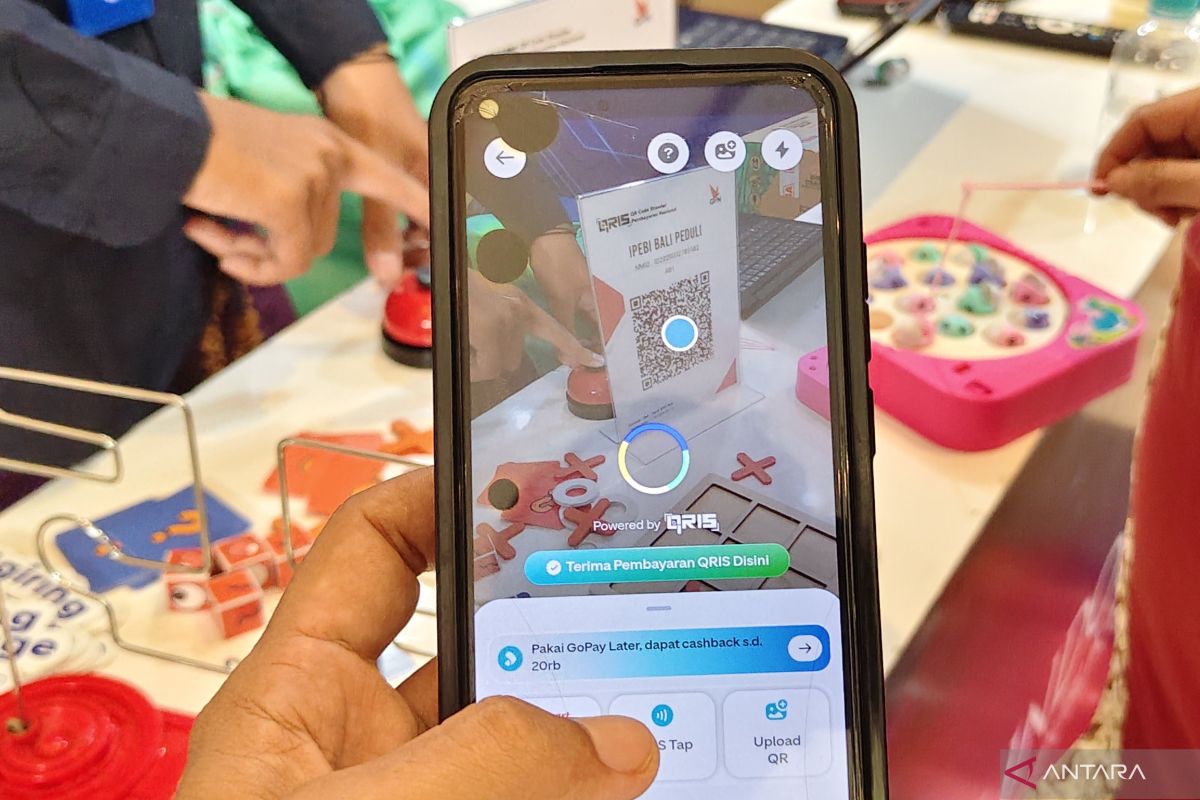
Denpasar (ANTARA) – Bank Indonesia’s (BI) Bali Representative Office says the introduction of the retail Indonesian Credit Card (KKI) scheme is strengthening production and transaction capacity among micro, small and medium-sized enterprises (MSMEs) in Bali, as residents and businesses begin using it.
“Retail KKI benefits MSMEs by making transactions easier and more flexible, including through deferred payment facilities,” BI Bali Deputy Representative Head Ronald Dungdung Parluhutan said on Saturday on the sidelines of the final day of the Baligivation digital economy and finance forum in Sanur, Denpasar.
He said residents and businesses had begun using the digital payment option since its national launch on 17 August 2026.
The deferred payment scheme gives merchants and MSMEs greater scope to accept payments, he said, by providing a new source of funds for transactions at their businesses.
For MSMEs using the scheme, retail KKI is also an alternative for managing short-term business cash flow. Purchases made with retail KKI are paid in the following period, according to the due date set by the bank.
KKI is currently available as a digital card in mobile banking and can be used as a funding source within the domestic and cross-border Quick Response Code Indonesian Standard (QRIS) ecosystem.
For retail KKI transactions through digital payment systems or QRIS, the maximum limit is Rp10 million per transaction, he added.
The credit limit assigned to each user is determined by the issuing bank or payment service provider, in line with applicable rules and the results of creditworthiness and risk-management assessments.
The banks that have issued KKI are BCA, Mandiri, BNI, BRI, CIMB Niaga, Permata Bank, Bank Mega and BSI.
In terms of transactions, retail KKI does not differ from a conventional credit card; the difference lies in the system used.
Retail KKI uses domestic payment infrastructure through the National Payment Gateway (GPN), meaning transactions are processed within Indonesia, he said.
Conventional credit cards, by contrast, use international network operators to process transactions.
“Together with the banking industry, we continue to promote outreach and education for the public and businesses so they better understand the benefits and how to use it,” he said.
Retail KKI is an expansion of the government-segment KKI, which was first launched in May 2023.
All local governments in Bali are now using KKI, BI said.
BI recorded Rp18.12 billion in local-government KKI transactions in Bali in 2025. By September 2026, the figure had risen to Rp44.22 billion.
Source: jawawa.id (https://jawawa.id/newsitem/bi-retail-kki-strengthens-msme-capacity-in-bali-1794631912)
Originally published by Antara (Indonesian) (https://www.antaranews.com/berita/5853483/bi-kehadiran-kki-ritel-perkuat-kapasitas-umkm-di-bali), translated from Indonesian