
BI Records 11.51 Percent Banking Credit Growth Through May 2026
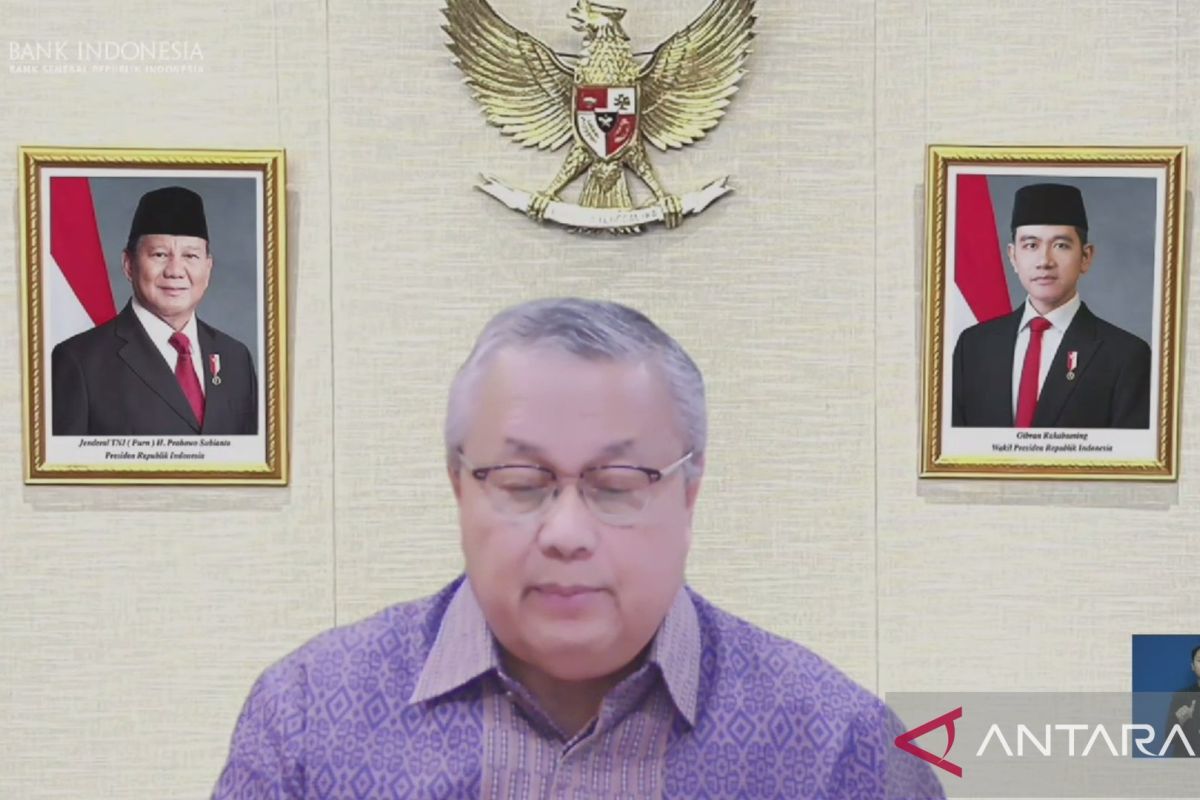
Bank Indonesia (BI) recorded banking credit growth of 11.51 percent year-on-year (yoy) as of May 2026, higher than the 9.98 percent (yoy) recorded in April 2026. “Based on the type of use, this development was supported by investment credit, working capital credit, and consumer credit, which in May 2026 grew by 21.95 percent (yoy), 8.09 percent (yoy), and 5.89 percent (yoy), respectively,” said BI Governor Perry Warjiyo during a press conference following the BI Board of Governors Meeting in Jakarta on Thursday.
With this achievement, Bank Indonesia projects that credit growth in 2026 will remain within the 8-12 percent range. Perry explained that the growth prospects are supported by the still-large amount of undisbursed loan facilities, which reached Rp2,576 trillion or 22.41 percent of the available credit ceiling. Furthermore, he views the banking sector’s financing capacity as still adequate. This is reflected in the ratio of Liquid Assets to Third-Party Funds (AL/DPK), which stood at 24.74 percent, and Third-Party Funds (DPK) which still grew strongly at 13.47 percent (yoy) as of May 2026.
Additionally, the development of banking interest rates is also expected to support the credit outlook, with lending rates recorded at 8.72 percent and one-month deposit rates at 4.26 percent in May 2026. Perry also confirmed that the national banking sector remains robust in mitigating risks from the impact of the war in the Middle East. “This development is marked by adequate banking liquidity, capital capacity maintained at a high level, and credit risk kept low,” he stated.
The banking sector’s Capital Adequacy Ratio (CAR) in April 2026 was recorded at a high 23.97 percent, which is considered strong in absorbing risk and supporting credit growth. Meanwhile, the aggregate Non-Performing Loan (NPL) ratio remained low at 2.17 percent (gross) and 0.84 percent (net) in April 2026. Bank Indonesia’s stress test results also show that banking resilience remains strong in facing various risks, including the continued spillover effects of the war in the Middle East, supported by well-maintained corporate repayment capacity and profitability. “Bank Indonesia continues to strengthen macroprudential policy and policy synergy with the Financial System Stability Committee (KSSK) in order to maintain financial system stability,” Perry added.