
BI-Rate Rises to 5.5%, Apindo: Businesses Increasingly Cautious About Expansion
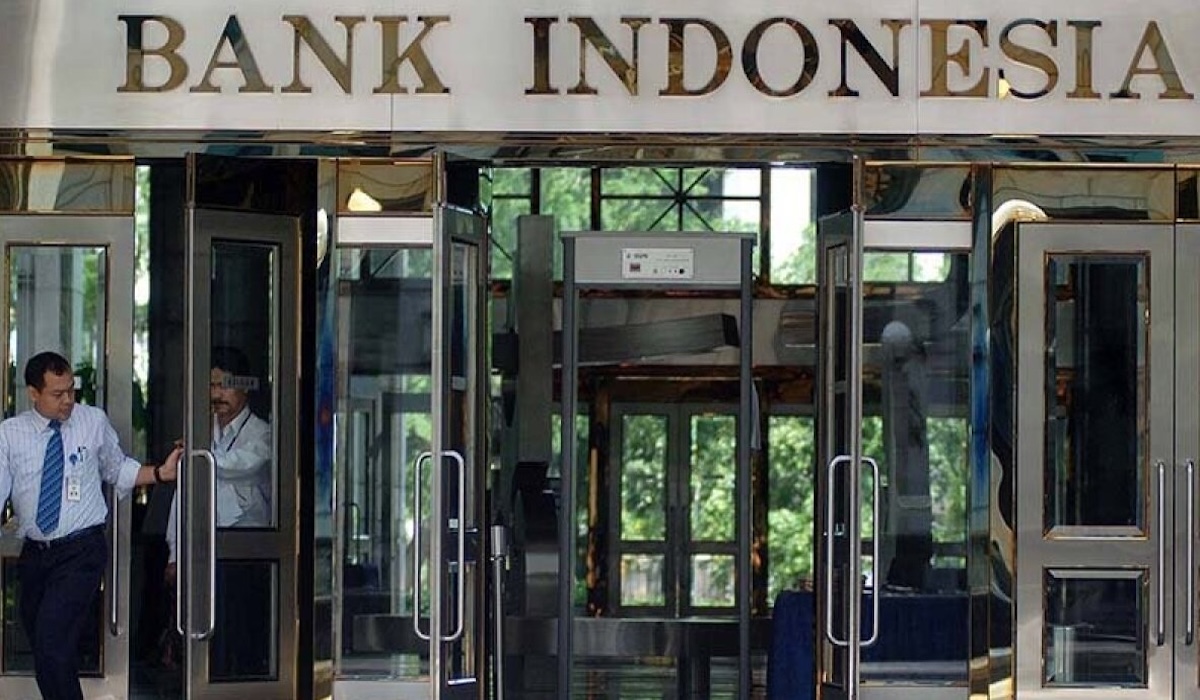
The increase in Bank Indonesia’s benchmark interest rate (BI-Rate) to 5.5% has triggered a cautious stance within the business community. Chairwoman of the Indonesian Employers’ Association (Apindo), Shinta Widjaja Kamdani, stated that this policy will push businesses to be more careful in carrying out business expansion amidst high financing costs. According to Shinta, the business world is currently inclined to hold back on expansion due to dual pressures from a global demand slowdown and domestic consumption. This situation is exacerbated by the rising high cost of doing business, which includes the weakening of the rupiah exchange rate, rising logistics costs, and energy prices. “In a situation like this, businesses tend to become more cautious, especially in undertaking expansion,” Shinta told Media Indonesia on Tuesday (9/6). She explained that the BI-Rate increase will have a direct impact on rising financing costs, particularly for sectors dependent on bank credit. Currently, on-the-ground loan interest rates are recorded in the range of 8% to 14%, depending on the risk profile and scale of the company. Sensitive sectors such as property, automotive, construction, and capital-intensive manufacturing are predicted to feel the most significant impact. In the property sector, a rise in mortgage interest rates could dampen public demand, while in the automotive sector, an increase in vehicle loan interest rates may hinder consumer purchasing decisions. Nevertheless, Apindo understands that Bank Indonesia’s move was taken to maintain rupiah exchange rate stability and control inflation. Shinta emphasised the importance of coordination between fiscal and monetary policy so that pressure on the real sector does not deepen. “What is important now is how all national economic policies can run in a coordinated manner so that the momentum of economic growth and employment absorption is maintained,” she concluded.