
BI Rate Rises to 5.25 Per Cent: Four Reasons
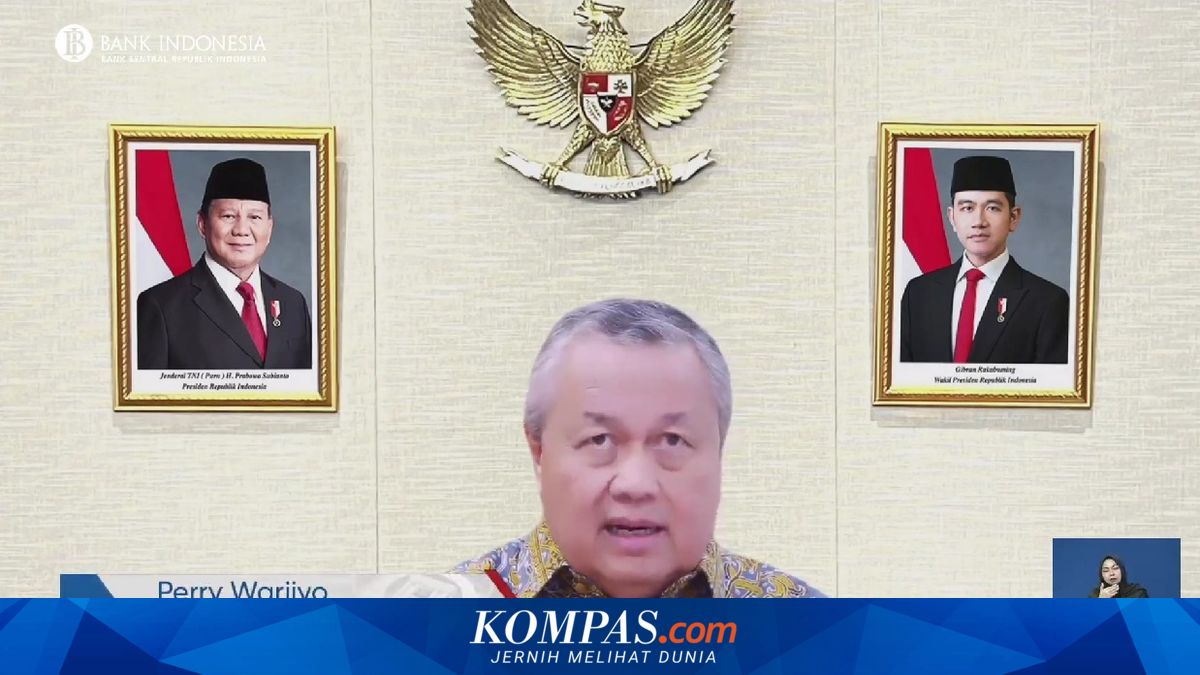
JAKARTA, KOMPAS.com - Bank Indonesia Governor Perry Warjiyo outlined four main reasons behind the decision to raise the policy rate (BI rate) at the May 2026 Board of Governors (RDG) meeting. At the RDG held on 19-20 May 2026, the central bank decided to raise the BI rate by 50 basis points from 4.75% to 5.25%. Perry said the decision had been carefully considered and measured to maintain stability and external resilience amid global volatility stemming from the conflict in the Middle East. He explained that the rate hike was mainly intended to continue strengthening the rupiah’s stabilisation after it recently weakened against the US dollar. The rupiah exchange rate on 19 May 2026 stood at IDR 17,700 per US dollar, or weaker by 2.20% compared with the end-April 2026 level. With an increase in the BI rate, foreign capital inflows are expected to enter the country, increasing demand for rupiah and triggering rupiah appreciation. He stated that rupiah pressure comes from both external and internal sources, externally from the war in Iran that has led to higher world oil prices, global inflation, and higher interest rates. On the domestic side, rupiah demand domestically is rising due to dividend distribution moments, needs of pilgrims for Hajj and Umrah, and payment of foreign debt. BI has so far implemented various policy responses to spur renewed foreign portfolio investment inflows. However, these policies have not been fully effective at restraining the depreciation of the Garuda currency, so BI has taken further steps by aggressively raising the BI rate this month. “We believe that with the strengthening of the BI rate this will reinforce … reinforced as a further step to bolster the stabilisation of the rupiah,” he said. The second factor, BI notes, is that global pressures not only affect the rupiah but are starting to spill over into the risk of domestic price increases.