
BI Rate at 5.75 Percent: Economist Says It Is the Most Appropriate Choice for Current Conditions
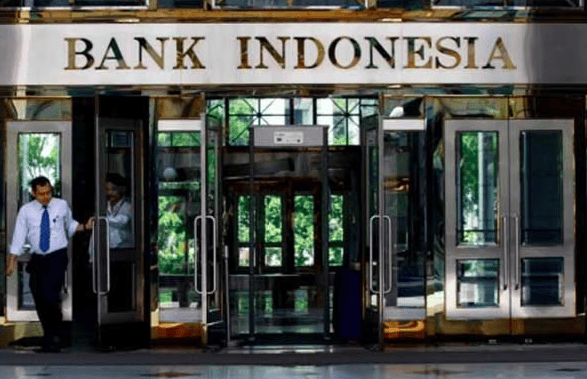
Center of Reform on Economics (CORE) economist Yusuf Rendy Manilet believes Bank Indonesia’s (BI) decision to hold its benchmark interest rate, the BI Rate, at 5.75 percent reflects caution amid global uncertainty.
“In my view, Bank Indonesia’s decision to hold the BI Rate at 5.75 percent today is quite measured and reflects caution amid global uncertainty,” Yusuf told Media Indonesia on Wednesday (19/8).
“After raising interest rates by a total of 100 basis points in May and June to respond to pressure on the rupiah, BI is now giving time for the impact of those increases to be absorbed more fully by the market,” he continued.
Yusuf added that the decision to hold rates is also supported by relatively solid domestic economic conditions. “July inflation stood at 2.88 percent year-on-year and remains within BI’s target, while the economy grew 5.29 percent in the second quarter. So there is no urgent need to raise rates, but there is also not yet enough reason to cut them immediately,” he explained.
“If BI were to raise rates again, the risk is that it could pressure credit, investment and purchasing power. Conversely, cutting too quickly could put pressure on the rupiah, especially since geopolitical risks, oil prices and imported inflation still need to be watched,” he added.
Therefore, according to Yusuf, holding the BI Rate at 5.75 percent is the most appropriate choice for current conditions. “For that reason, holding the BI Rate at 5.75 percent is, in my view, the most appropriate choice for current conditions. BI also still has other instruments to maintain stability, such as foreign exchange intervention, SRBI and liquidity incentives,” he said.
Yusuf further noted that the important thing now is to ensure that monetary policy transmission to lending rates works well so that rupiah stability and inflation are maintained without putting too much pressure on the real sector. “August and September inflation data as well as geopolitical developments will determine the room for BI’s next policy move,” Yusuf concluded.