
BI Raises BI-Rate to 5.75% to Safeguard Rupiah Stability
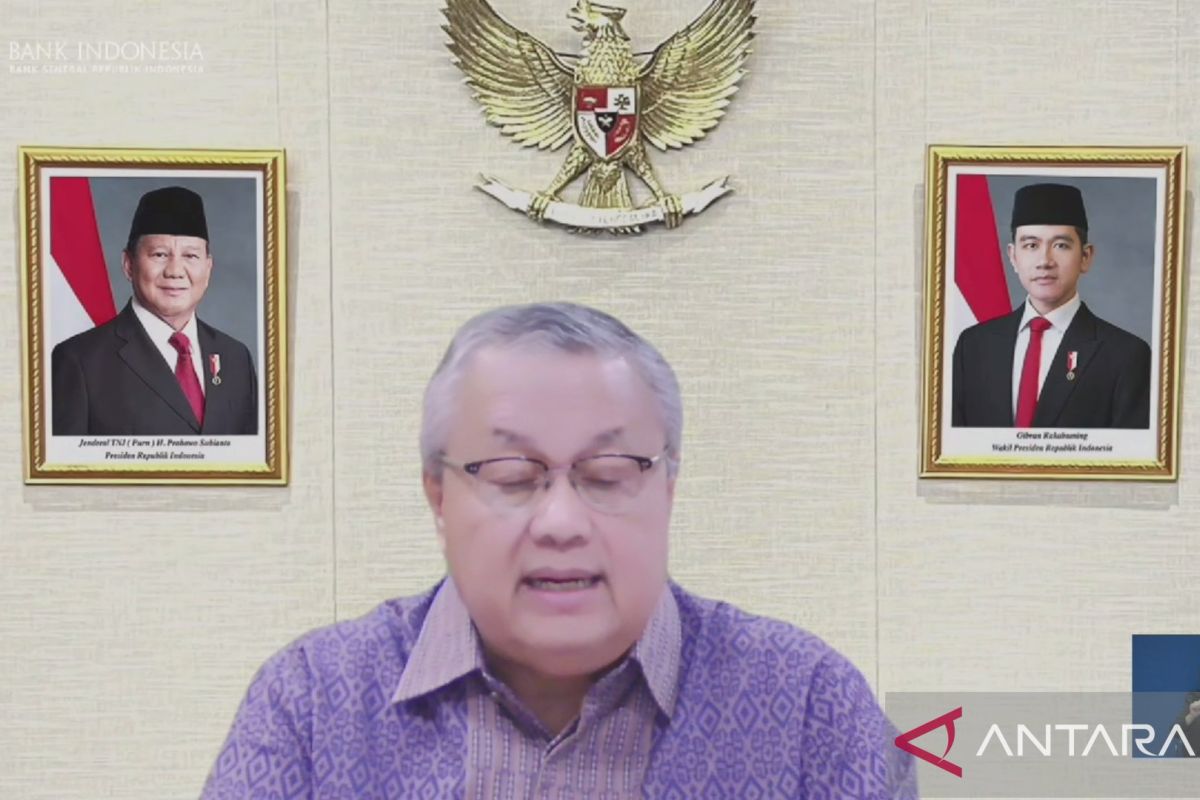
Bank Indonesia (BI) has decided to raise its benchmark interest rate, the BI-Rate, by 25 basis points to 5.75% during its June 2026 Board of Governors Meeting. The Deposit Facility rate was also increased by 25 bps to 4.75%, and the Lending Facility rate rose by 25 bps to 6.50%. Governor Perry Warjiyo stated that this increase is a further step to strengthen rupiah stabilisation amidst persistently high global uncertainty and serves as a pre-emptive measure to ensure inflation remains within the government’s target range of 2.5%±1% for 2026 and 2027. The decision aligns with macroprudential and payment system policies that continue to be directed towards supporting economic growth. Payment system policies are aimed at bolstering economic activity through expanding digital payment acceptance, strengthening the payment system industry structure, and enhancing the reliability and resilience of payment system infrastructure. The rate hike is expected to attract foreign capital inflows into Indonesian financial markets, particularly into Bank Indonesia Rupiah Securities (SRBI) and Government Securities (SBN). Such inflows would increase demand for the rupiah, thereby helping to maintain the stability of the currency. Perry noted that in the second quarter of 2026 up to 15 June, net foreign capital inflows amounted to 3.9 billion US dollars, a reversal from the first quarter of 2026 which saw a net capital outflow of 0.8 billion US dollars. Persistent global uncertainty stemming from the Middle East conflict also underpinned the monetary tightening. Although tensions eased slightly following a temporary agreement between the US and Iran on 14 June 2026, global monetary uncertainty continues. The conflict, ongoing since late February 2026, has disrupted global production, distribution, and supply chains, dampening global economic growth prospects. World economic growth in 2026 is forecast to remain low at 3.0%, accompanied by rising inflationary pressures to around 4.4%. Amid these conditions, several central banks have begun raising interest rates to curb inflation. BI is also monitoring the possibility of future Fed Funds Rate increases given the higher US inflation outlook. US Treasury yields remain elevated, with the 10-year note at 4.49% and the two-year note at 4.18% as of 17 June 2026. Combined with a strengthening US dollar index, these factors mean global capital flows to developing countries remain weak and tend to favour safe-haven assets in advanced economies. Governor Warjiyo emphasised that future developments in US-Iran negotiations are expected to remain dynamic, requiring vigilance and strengthened fiscal and monetary policy synergy to reinforce external resilience, maintain stability, and drive domestic economic growth.