
BI Limits Cash Dollar Purchases to US$10,000 Effective Today
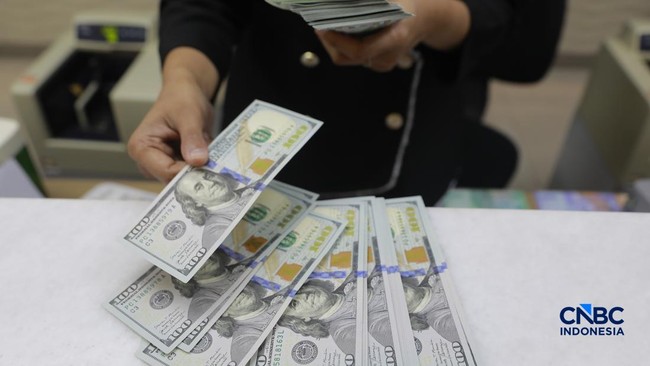
Bank Indonesia’s (BI) regulation limiting cash foreign exchange purchases without underlying documentation to US$10,000 per person per month takes effect today, 1 July 2026. BI Governor Perry Warjiyo stated the measure is part of efforts to strengthen the Money Market and Foreign Exchange Market (PUVA) deepening policy to make it more advanced, efficient, and prudent, aiming to attract foreign investment and enhance monetary policy effectiveness, including rupiah exchange rate stabilisation. “Strengthening prudential principles in PUVA through the implementation of a lower threshold for cash purchases of foreign currency against the rupiah without underlying documents to US$10,000 per person per month, effective 1 July 2026,” Perry said, as quoted on Wednesday (1/7/2026). Perry emphasised the policy is part of strengthening prudential principles in foreign exchange traffic reporting by adjusting the threshold for supporting documents for overseas fund transfers in foreign currency from the equivalent of US$50,000 to US$25,000. This is the third time in a year BI has lowered the underlying threshold for US dollar purchases. In March, BI reduced the limit from US$100,000 to US$50,000. Then, in June, BI decided to lower the threshold from US$25,000 to US$15,000. BI Senior Deputy Governor Destry Damayanti revealed that BI is not actually restricting the public from transacting in US dollars. However, for rupiah stability, there are requirements that must be met, namely having transaction documents that underlie the need for foreign exchange (underlying documents) for US dollar transactions. “You can transact in US dollars for more than US$10,000, but you must have clear underlying documents. So we are not restricting, not saying people cannot transact in dollars, rupiah to dollars, no. But we only want to regulate, to reorganise the governance,” Destry said in CNBC Indonesia’s Economic Update 2026 some time ago. For customers wishing to purchase dollars above the threshold, BI requires valid and real supporting documents or underlying transactions. These documents serve as proof that the foreign exchange purchase is used for productive economic activities or fulfilling obligations, not for speculative purposes or short-term investment seeking profit from exchange rate fluctuations. Some examples of legitimate activities categorised as having strong underlying transactions include: Import of Goods, evidenced by a Goods Import Declaration (PIB) or invoice from an overseas trading partner; Payment for Overseas Services, such as school or university fees abroad, medical expenses, or international royalty and licence payments; and Foreign Debt Payments, with loan withdrawal documents or a registered foreign debt maturity payment schedule. If total foreign exchange purchases in one month remain at or below the equivalent of US$10,000, the public only needs to sign a statement letter from the bank or money changer without attaching the underlying documents. Destry gave the example of a person wanting to study abroad needing more than US$10,000, which is allowed as long as they have underlying documents such as an acceptance letter. “For example, if you want to study abroad, it’s impossible to only need US$10,000, you will definitely need more, as long as you have clear documents, for instance an acceptance letter from abroad stating the required costs, that is allowed because it becomes the underlying. So we are not restricting, but buy or exchange according to your needs,” she explained.