
BI Governor Says Rupiah Strengthening Supported by Surge in Foreign Ownership of SRBI
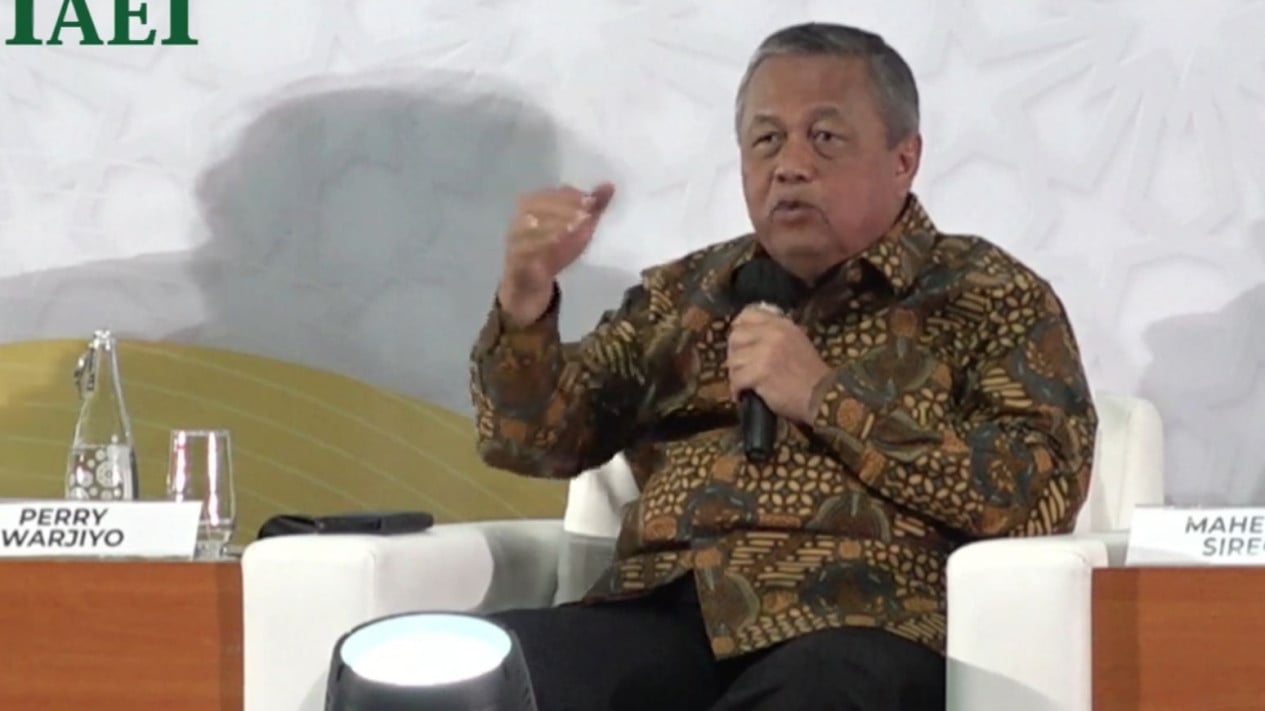
Bank Indonesia (BI) Governor Perry Warjiyo has stated that the strengthening of the rupiah exchange rate has been supported by an increase in non-resident (foreign) ownership of Bank Indonesia Rupiah Securities (SRBI) to Rp 238.09 trillion. During a BI Board of Governors meeting press teleconference, Perry explained that the SRBI position as of 15 June 2026 was recorded at Rp 1,021.1 trillion, with non-resident holdings rising to Rp 238.1 trillion, or 23.3 percent of the total outstanding. “This has also helped support the stability of the rupiah exchange rate,” Perry said on Thursday, 18 June 2026. He explained that the rupiah exchange rate against the US dollar on Wednesday, 17 June 2026, stood at Rp 17,730 per US dollar, strengthening by 0.76 percent point-to-point compared to the level at the end of May 2026. The increase in SRBI ownership and the strengthening of the rupiah were influenced by the stabilisation policy response undertaken by the central bank to mitigate the impact of high global uncertainty and significant domestic corporate demand for foreign exchange. These policies included raising the interest rates on SRBI with tenors of 6, 9, and 12 months to attract foreign portfolio investment inflows and strengthen rupiah exchange rate stability. According to the SRBI auction results announcement on 17 June, the Weighted Average Accepted Rate, or the final interest rate paid by BI to auction winners, was set at 7.12 percent for the 6-month tenor, 7.33 percent for the 9-month tenor, and 7.59 percent for the 12-month tenor. Perry added that BI also increased the intensity of its foreign exchange flow interventions, both through interventions in the offshore Non-Deliverable Forward (NDF) market and through spot transactions and Domestic Non-Deliverable Forward (DNDF) in the domestic market. In addition, BI provided a 10 percent reduction in the hedging swap rate for foreign investors to further enhance attractiveness and compensate for obligations previously borne by investors. Furthermore, Perry continued, BI also expanded its foreign exchange monetary operation instruments with spot and swap instruments in offshore Chinese Renminbi (CNH) or yuan against the rupiah. This is in line with the increasingly widespread use of local currencies, or Local Currency Transaction (LCT), for the settlement of trade and investment transactions.