
BI Governor: Decision to Raise BI-Rate to 5.75 Percent for Rupiah Stability
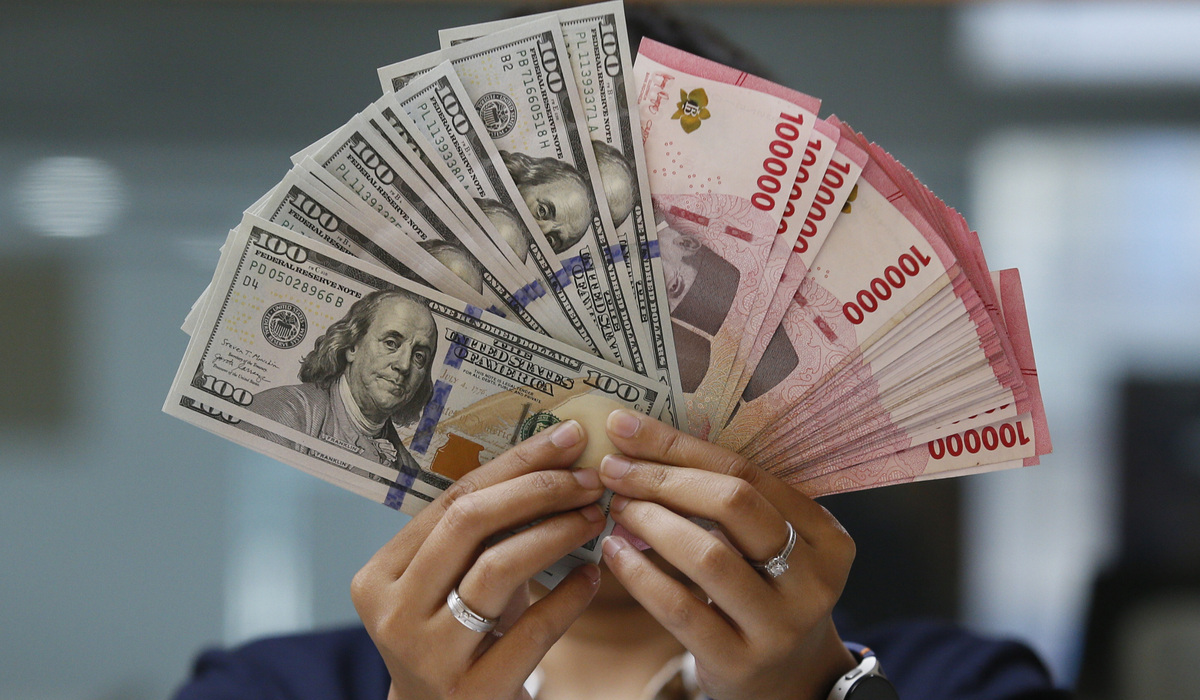
Bank Indonesia (BI) decided to raise its benchmark interest rate, the BI-Rate, by 25 basis points to 5.75 percent during the June 2026 Board of Governors Meeting. The move was taken as a proactive strategy to maintain rupiah exchange rate stability amidst global uncertainty. Alongside the BI-Rate, the central bank also raised the Deposit Facility rate by 25 bps to 4.75 percent and the Lending Facility rate by 25 bps to 6.50 percent. BI Governor Perry Warjiyo stated that this policy is a further step to strengthen rupiah exchange rate stabilisation. Additionally, the hike is pre-emptive to ensure inflation in 2026 and 2027 remains within the target range of 2.5±1 percent. “This decision is consistent with macroprudential and payment system policies that remain directed to support pro-growth economic expansion,” Perry said at a press conference in Jakarta on Thursday (18/6). The monetary tightening was triggered by heightened global uncertainty, particularly due to the conflict in the Middle East that has been ongoing since February 2026. Although a temporary agreement was reached between the United States and Iran on 14 June, disruptions to global supply chains continue to pressure world economic growth prospects, which are forecast to reach only 3.0 percent in 2026. BI is also closely monitoring the potential for a Fed Funds Rate increase amid high inflation in the US. The yield on 10-year US Treasury notes currently stands at 4.49 percent, strengthening the US dollar index and prompting global capital flows to shift towards safe-haven assets in advanced economies. The BI-Rate increase is expected to enhance the attractiveness of domestic financial instruments, such as Bank Indonesia Rupiah Securities (SRBI) and Government Bonds (SBN). Foreign capital inflows into these instruments are anticipated to boost demand for the rupiah, thereby maintaining its stability. Perry emphasised that going forward, BI will continue to strengthen synergy with the government’s fiscal policy to safeguard external resilience. “Global negotiation developments remain highly dynamic, requiring heightened vigilance to maintain stability and drive domestic economic growth,” he concluded. Bank Indonesia noted that banking credit growth in May 2026 reached 11.51 percent year-on-year, with investment credit surging 21.95 percent, supported by adequate liquidity. Foreign capital flows into Government Bonds (SBN) continued to record net inflows, reflecting sustained investor confidence in Indonesia’s economic prospects.