
BI DKI Builds Collaboration to Strengthen Payment System Ecosystem
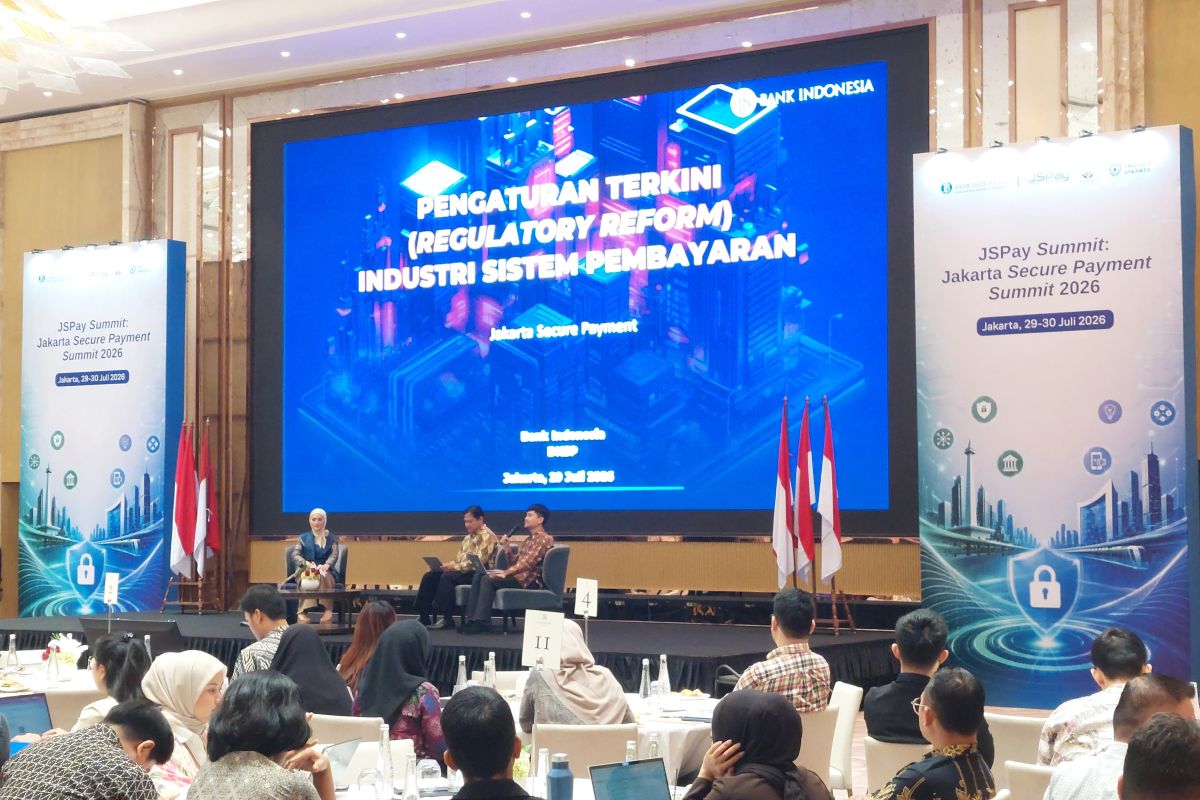
Bank Indonesia’s (BI) DKI Jakarta Representative Office is building collaboration with industry players, academics, and stakeholders through the TRUST Jakarta (Transparency, Surveillance, Risk Management for Secure Transactions) programme to strengthen a safe, reliable, and competitive payment system ecosystem amid the rapid development of digital payment technology. Deputy Head of BI’s DKI Jakarta Representative Office, Reny Julianie, stated that collaboration is necessary so that the strengthening of the payment system can keep pace with technological developments while maintaining public trust in digital payment services. “Every secure payment system begins with trust. Through TRUST Jakarta, we are delivering more responsive and reliable supervision together with all industry players,” Reny said in Jakarta on Wednesday. She explained that TRUST Jakarta is a programme to strengthen supervision and licensing for Payment Service Providers (PJP), Non-Bank Foreign Exchange Business Providers (PUKA BB), and Licensed Foreign Exchange Business Entities (BB UKA) through a more adaptive, collaborative, and integrated approach within the working area of BI’s DKI Jakarta Representative Office. The programme is implemented through three main pillars: the Jakarta Secure Payment Summit (JSPay Summit) as a forum for enhancing industry capacity and policy dialogue; SPARK (Strategic Payment and Resilient Knowledge Forum) to strengthen inter-agency synergy; and Payment System on Your View (POV), which focuses on strengthening industry capacity to become more resilient, compliant, and adaptive to technological developments. According to Reny, the three pillars are designed to strengthen governance, risk management, cyber resilience, and the implementation of anti-money laundering, counter-terrorism financing, and counter-proliferation financing of weapons of mass destruction programmes, in line with the Indonesia Payment System Blueprint (BSPI) 2030 and international standards set by the Financial Action Task Force (FATF). She added that DKI Jakarta plays a strategic role in the national payment system and foreign exchange industry. As of July 2026, BI’s DKI Jakarta Representative Office supervises 33.83 percent of payment service providers, 30.55 percent of non-bank foreign exchange business providers, and 75 percent of licensed foreign exchange entities nationally, with a business activity contribution reaching 39.67 percent. “Going forward, we hope TRUST Jakarta will further strengthen collaboration between regulators, industry, academics, and stakeholders to build a healthy, secure, reliable, and competitive payment system ecosystem,” Reny said.