
BI Cuts Hedging Costs, Attracting US$12bn in Foreign Capital
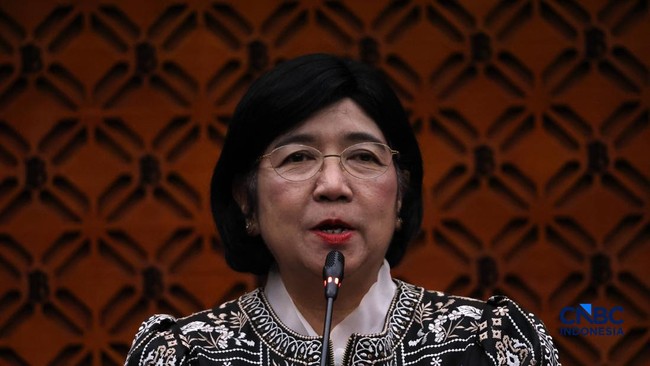
Bank Indonesia Governor Destry Damayanti said hedging incentives had boosted the inflow of dollars into Indonesia.
Since the incentives were introduced in July and subsequently strengthened, BI had attracted nearly US$12 billion by October 2026, Destry said. This comprised around US$2 billion through DNDF and almost US$10 billion through swaps.
The figures demonstrate the effectiveness of Bank Indonesia’s hedging policy in attracting foreign capital through portfolio-policy innovation.
“We are innovating our policy. If we want to attract inflows, we have to make our portfolio attractive. If we cannot raise yields further, then we can work on hedging costs,” she said at KADIN’s national leadership meeting in Jakarta on Thursday (29 October 2026).
The initiative was introduced because Bank Indonesia considers that foreign capital inflows require protection through swaps or DNDF.
“They can enter in two ways: they can swap in, bringing dollars and then exchanging them for rupiah. The dollars are held by Bank Indonesia, and they use the rupiah to invest,” Destry explained.
Destry added that the hedging policy was one targeted measure and an alternative to raising interest rates in the face of current global uncertainty.
Under its latest hedging policy, BI has also increased incentives for DNDF hedging transactions with the central bank when they support underlying foreign funding. The coverage includes portfolio inflows, foreign loans taken out by banks and foreign direct investment (FDI).
According to Destry, BI has increased the premium reduction for DNDF hedging to 40 per cent from 25 per cent for a six-month tenor. For a 12-month tenor, the reduction has risen to 45 per cent from 30 per cent.
BI is also continuing incentives for conventional buy-swap hedging instruments with the central bank in transactions supporting underlying foreign funding.
The premium reductions for these instruments are set at 15 per cent for a three-month tenor, 20 per cent for six months and 25 per cent for 12 months.