
BI: Cross-border QRIS to drive West Kalimantan economy
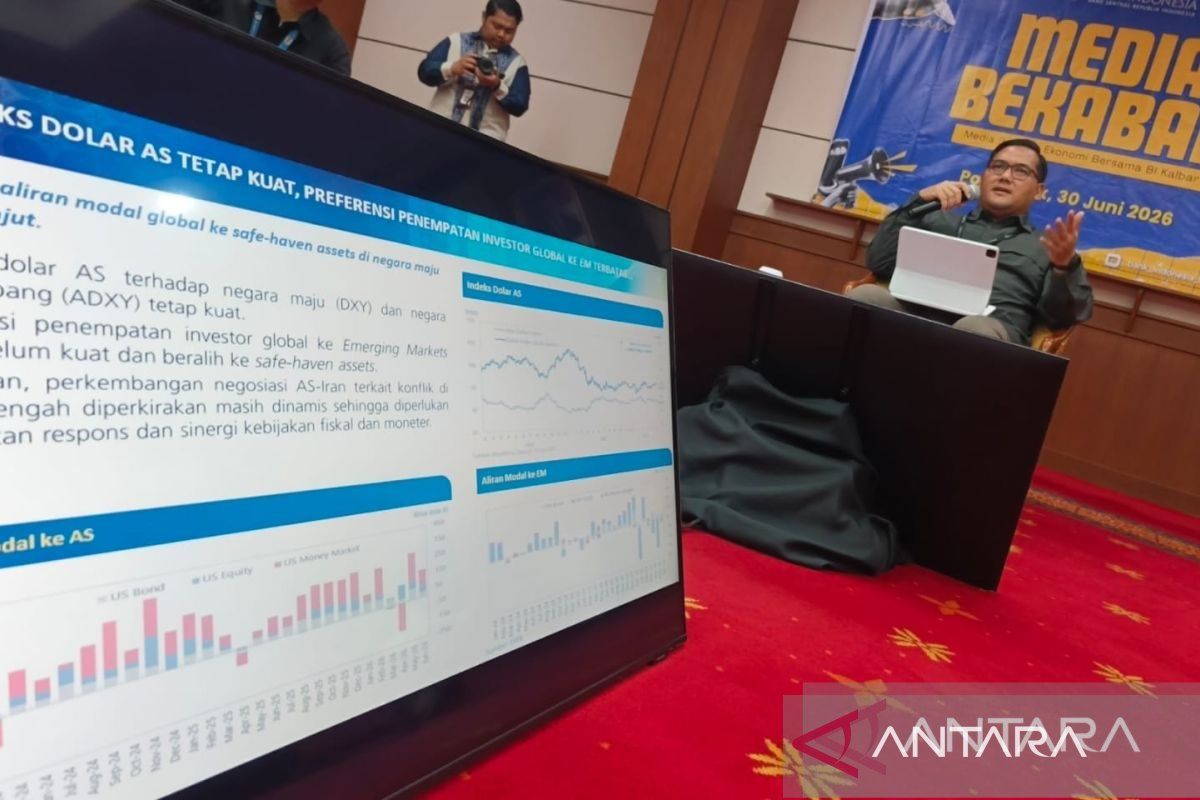
Bank Indonesia’s West Kalimantan representative office is encouraging the wider use of cross-border QRIS as a digital payment instrument to strengthen West Kalimantan’s economic connectivity with neighbouring countries. “As a region that directly borders a neighbouring country, West Kalimantan has great potential in the adoption of cross-border QRIS,” said Doni Septadijaya, Head of Bank Indonesia’s West Kalimantan Province Representative Office, in Pontianak on Tuesday. He said West Kalimantan’s position directly bordering Malaysia presents a strategic opportunity to expand cross-border digital transactions. According to him, strengthening cross-border digital transactions does not only concern the payment system, but can also support trade activities, tourism, and the micro, small, and medium enterprise (MSME) sector in West Kalimantan.
BI West Kalimantan has initiated QRIS Betang, or Building a Cross-Border Transaction Ecosystem, as an integrated approach to expand the use of cross-border QRIS across various sectors. Doni explained that QRIS Betang encompasses three approaches: QRIS Betang Perbatasan (Border), QRIS Betang Perbankan (Banking), and QRIS Betang Kegiatan dan Komunitas (Activities and Communities). Through QRIS Betang Perbatasan, BI is encouraging payment digitalisation at Cross-Border Post (PLBN) areas, including tourist markets, hotels, and the food and beverage sector. The programme has been expanded to three PLBNs in 2026, namely Entikong, Badau, and Jagoi Babang. “Continuing the success of the LENTERA Border Service programme initiated at PLBN Aruk last year, we are expanding the programme to three PLBNs in 2026,” he said.
Meanwhile, through QRIS Betang Perbankan, BI is encouraging the banking industry to expand cross-border QRIS transactions through education programmes and inbound transaction competitions. These efforts are also directed at improving merchants’ understanding of the QRIS Cross-Border mechanism. QRIS Betang Kegiatan dan Komunitas is being developed through collaboration with universities, tourism players, local governments, and communities. One example is a cross-border Summer School agenda with Tanjungpura University and universities from Malaysia.
Doni said the development of the QRIS ecosystem in West Kalimantan shows a positive trend. As of June 2026, the number of QRIS merchants reached 552,673, growing 28.94 percent year-on-year, with 74.17 percent of them being micro businesses. In terms of transactions, the value of QRIS transactions in West Kalimantan as of June 2026 reached Rp6.5 trillion, growing 112.04 percent year-on-year. Meanwhile, transaction volume reached 62.9 million transactions, growing 131.97 percent, with the number of users reaching 875,400 people. He assessed that this growth is an important foundation for expanding the use of digital payments, including to support the mobility of residents and tourists from neighbouring countries.
In addition to cross-border QRIS, BI West Kalimantan is also continuing to expand payment digitalisation in various sectors. Implementations include QRIS Tap on DAMRI land transportation, QRIS on Bardan-Siantan sampan water transportation, and the expansion of digital payments in the retail and tourism sectors. “We hope QRIS Betang can become a joint movement, not just a Bank Indonesia initiative, but also a collaboration of local governments, banks, businesses, communities, universities, and the public,” said Doni.