
BI assesses impact of non-subsidised fuel price hike on inflation as limited
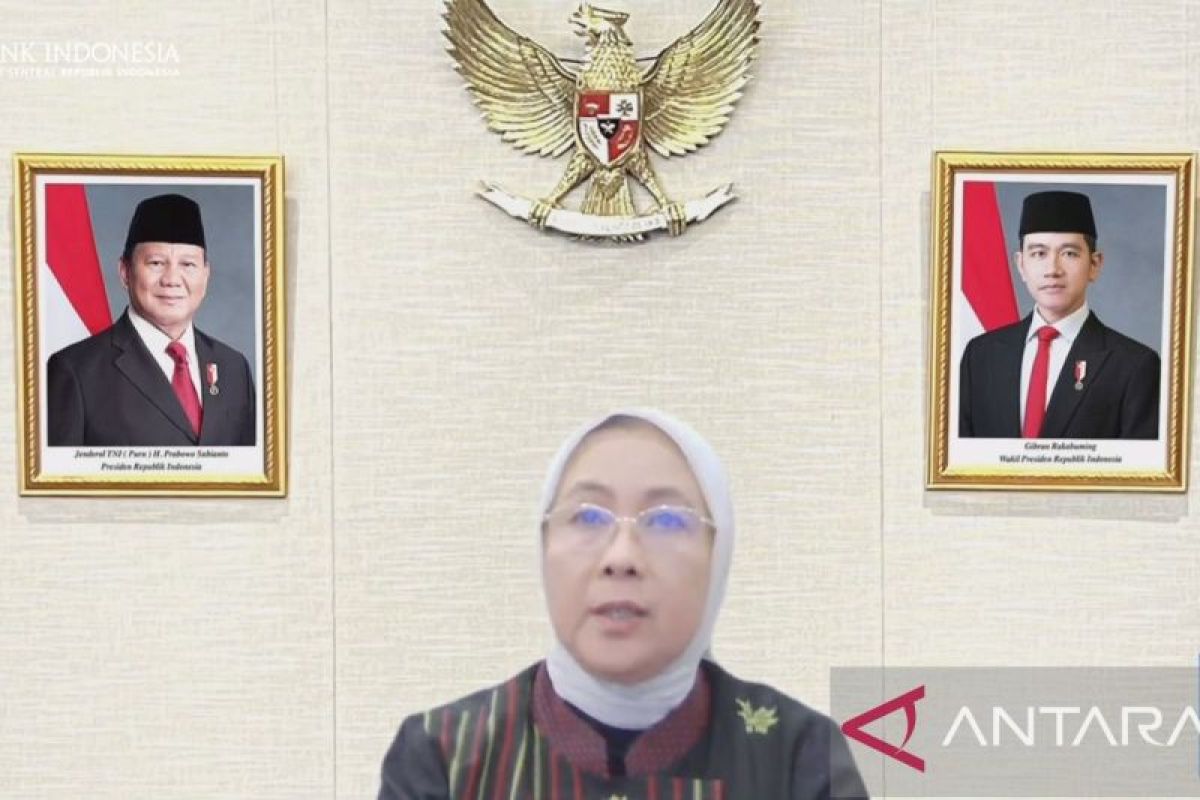
Jakarta (ANTARA) - Bank Indonesia (BI) Deputy Governor Aida S. Budiman estimates that the rise in non-subsidised fuel (BBM) prices will have a limited impact on inflation in April 2026, amounting to around 0.04 per cent.
“Non-subsidised BBM, considering its weight in the inflation basket, could increase inflation in April, but not significantly, only by 0.04 per cent. Thus, when calculated overall for 2026 and 2027, our inflation projection remains within the 2.5 ±1 per cent range (1.5-3.5 per cent),” Aida said during the BI Board of Governors’ Meeting press conference held online in Jakarta on Wednesday.
Regarding the impact of rising global oil prices on economic growth, Aida explained that the global GDP projection is the primary factor to consider first.
BI itself anticipates a decline in the world economic growth outlook for 2026 from 3.1 per cent to 3.0 per cent. Nevertheless, the baseline scenario for Indonesia’s GDP projection remains in the 4.9 to 5.7 per cent range.
On mitigating the impact of the non-subsidised BBM price increase, Aida assured that the central bank, along with central and local governments, continues to control inflation through the Central/Local Inflation Control Teams (TPIP/TPID) by strengthening the implementation of the Prosperity Food Inflation Control Movement (GPIPS).
Meanwhile, BI Deputy Governor Ricky P. Gozali added that fuel prices will affect the prices of goods and services, in line with global developments impacting through trade channels and commodity prices.
To this end, Ricky stated that BI, through its 46 domestic representative offices, is prepared to respond to potential inflationary pressures from global sources, particularly from rising energy or BBM prices. The same applies to food inflation amid risks from El Niño, which could trigger a prolonged dry season.
Ricky said efforts to maintain inflation involve not only synergy with the government through TPIP and TPID as well as GPIPS implementation, but also supporting food distribution facilities programmes, enhancing inter-regional cooperation between surplus and deficit areas, and organising affordable market initiatives.
“All of this is to ensure supply adequacy, smooth distribution, and price stability for food in various regions,” he said.
Additionally, price control efforts are conducted through coordination and synergy between TPID and the Subsidised Fuel Supervision Task Force in regions to ensure that subsidised BBM is distributed on target.