
BGN to Cluster Free Nutritious Meal Kitchens, Tailored to Regional Conditions
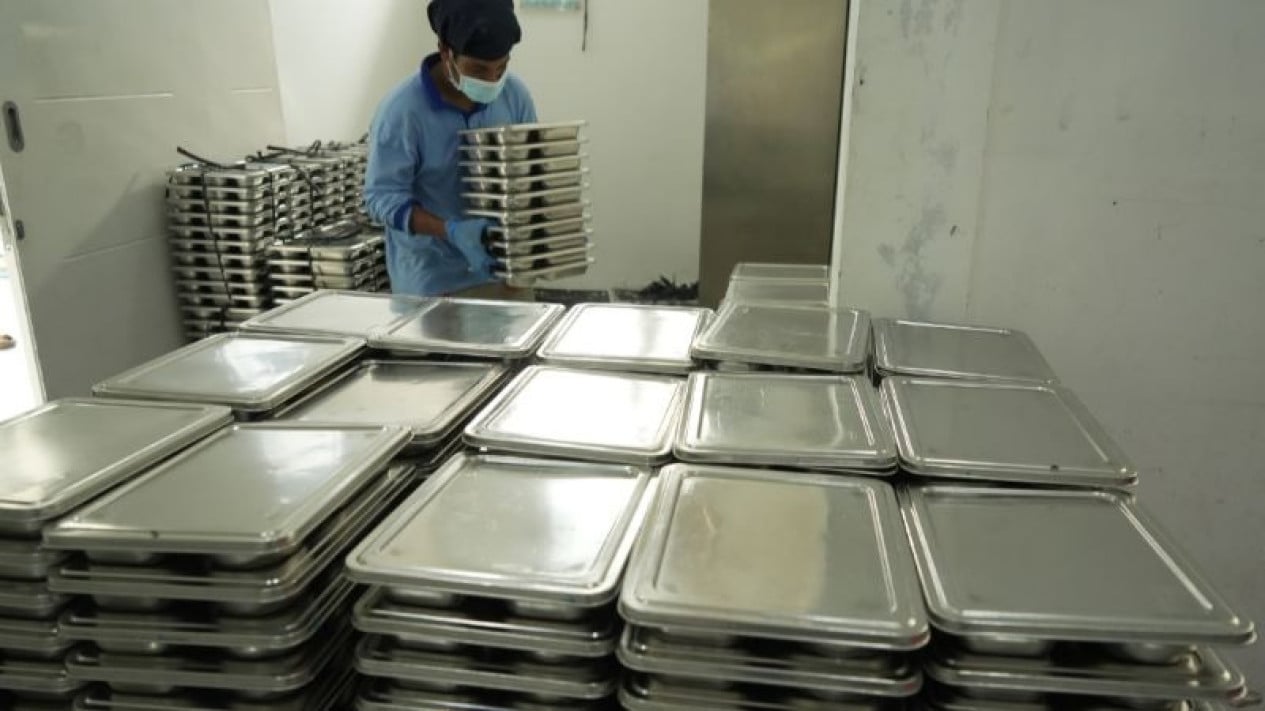
The National Nutrition Agency (BGN) is planning changes to the governance of the Free Nutritious Meal (MBG) programme by implementing a cluster system for the Nutrition Fulfilment Service Units (SPPG), or MBG kitchens. The policy is being prepared to adapt kitchen operations to regional conditions and the varying number of beneficiaries in each area. BGN Deputy Head Agustina Arumsari stated that the clustering scheme is one of the options being prepared by the government to improve the effectiveness of the MBG programme’s nationwide implementation. “Yes, one of the options to be taken is indeed that, kitchen clustering,” Agustina said on Friday (19/6/2026). According to her, applying a uniform system across all regions is no longer considered relevant because Indonesia’s regional characteristics are highly diverse. Conditions on Java, for example, differ from those in areas classified as Underdeveloped, Frontier, and Outermost (3T). Agustina explained that the population and number of MBG programme beneficiaries in 3T regions are generally not as large as in densely populated areas on Java. Therefore, the government considers a different approach necessary in managing MBG kitchens so that the services provided are more effective and suited to the needs of the local community. “Because indeed, if we refer to the 3T regions, the population there may not be as large as in Java,” she said. With the cluster system, the kitchen management model, food production capacity, and operational needs will be adjusted based on the conditions of the area served. “So, later it will certainly be different from Java, the system, the kitchen, and so on will also be different,” Agustina continued. One of the changes being prepared by the BGN is the mechanism for providing incentives to MBG kitchens. Currently, each kitchen receives a daily incentive of the same nominal amount, which is Rp6 million per day, even though the number of beneficiaries served by each kitchen can vary greatly. According to Agustina, some kitchens serve only around 500 beneficiaries, while others can serve up to 3,000 people. This condition is considered to inadequately reflect the principle of fairness in the programme’s budget allocation.