
BGN Temporarily Halts MBG Distribution for Students on Remote Learning Due to Anak Krakatau Eruption
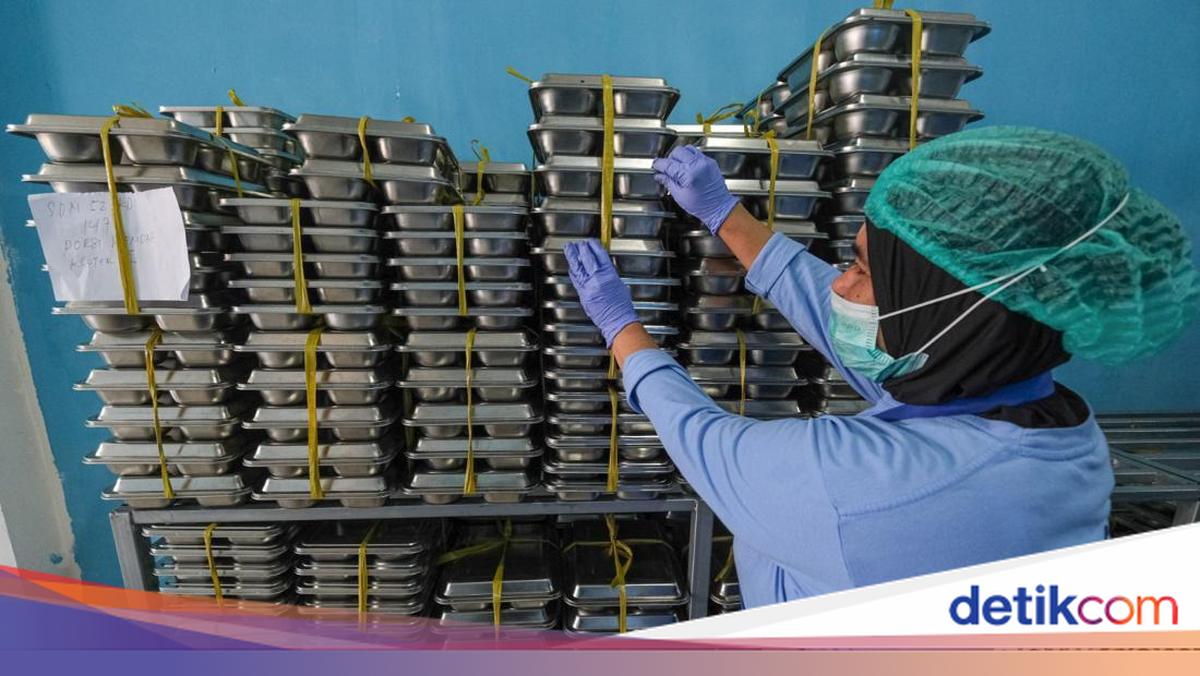
The National Nutrition Agency (BGN) has temporarily reorganised the distribution of the Free Nutritious Meals (MBG) programme in areas affected by the eruption of Mount Anak Krakatau. The move responds to the remote learning (PJJ) policy introduced as a protective measure for pupils.
Khairul Hidayati, Head of the Legal and Public Relations Bureau at BGN, said the operational adjustment to MBG aims to ensure the programme continues to run safely and responsively to emergency conditions in the affected areas.
The remote learning arrangement took effect from 7 September 2026, with its duration depending on conditions and the policies of each regional government. In line with this policy, MBG operations for beneficiaries at educational institutions have also been suspended temporarily for as long as in-person learning is cancelled.
“The safety of pupils and all members of school communities is the primary consideration in adjusting MBG operations. When learning is shifted to remote learning, the mechanism for delivering MBG at schools must also be adjusted so that implementation remains on target, safe, and aligned with emergency response policies,” Khairul said on Monday (7/9/2026), as quoted by Antara.
The remote learning policy is based on Regulation of the Minister of Education and Culture Number 33 of 2019 on Disaster-Safe Educational Institutions, as well as Circular of the Minister of Primary and Secondary Education Number 1 of 2026 on Learning in Emergency Situations. These regulations are among the foundations for ensuring the education process continues to take account of safety and preparedness when schools face disaster or emergency situations.
According to data as of Wednesday (6/9), remote learning has been applied in affected areas with differing durations depending on how the situation develops. In Lampung Province, remote learning is in force for two days, 7–8 September 2026, while Banten Province has applied it for three days, 7–9 September 2026.
In DKI Jakarta, remote learning began on 7 September 2026, with the duration yet to be determined and subject to adjustment based on how conditions develop and further policies from the regional government.
Khairul stressed that the temporary suspension of MBG operations at educational institutions should not be interpreted as a termination of the programme, but rather an operational adjustment resulting from the change in learning mechanisms during an emergency.
“This adjustment is temporary and follows the dynamics of conditions in each region. BGN will continue to monitor developments and coordinate with regional governments and relevant stakeholders so that MBG operations can be readjusted when conditions allow,” she said.
BGN is ensuring cross-sectoral coordination continues in order to obtain the latest information on the situation in affected areas. Such coordination is an important part of determining the next operational steps, including the readiness of schools and MBG providers when in-person learning resumes.
In implementing the programme, BGN places the safety of beneficiaries as an integral part of MBG delivery.
Therefore, every operational adjustment is made with consideration of conditions on the ground, regional government policies, and the readiness of educational institutions and Nutrition Service Fulfilment Units (SPPG).
Furthermore, MBG operations in affected areas will be readjusted in line with learning policies and the development of disaster conditions in each region.
“BGN is committed to maintaining the sustainability of the MBG programme by ensuring its implementation remains safe, measurable, and in accordance with the needs of beneficiaries,” she said.