
BGN supports budget efficiency without reducing MBG benefits
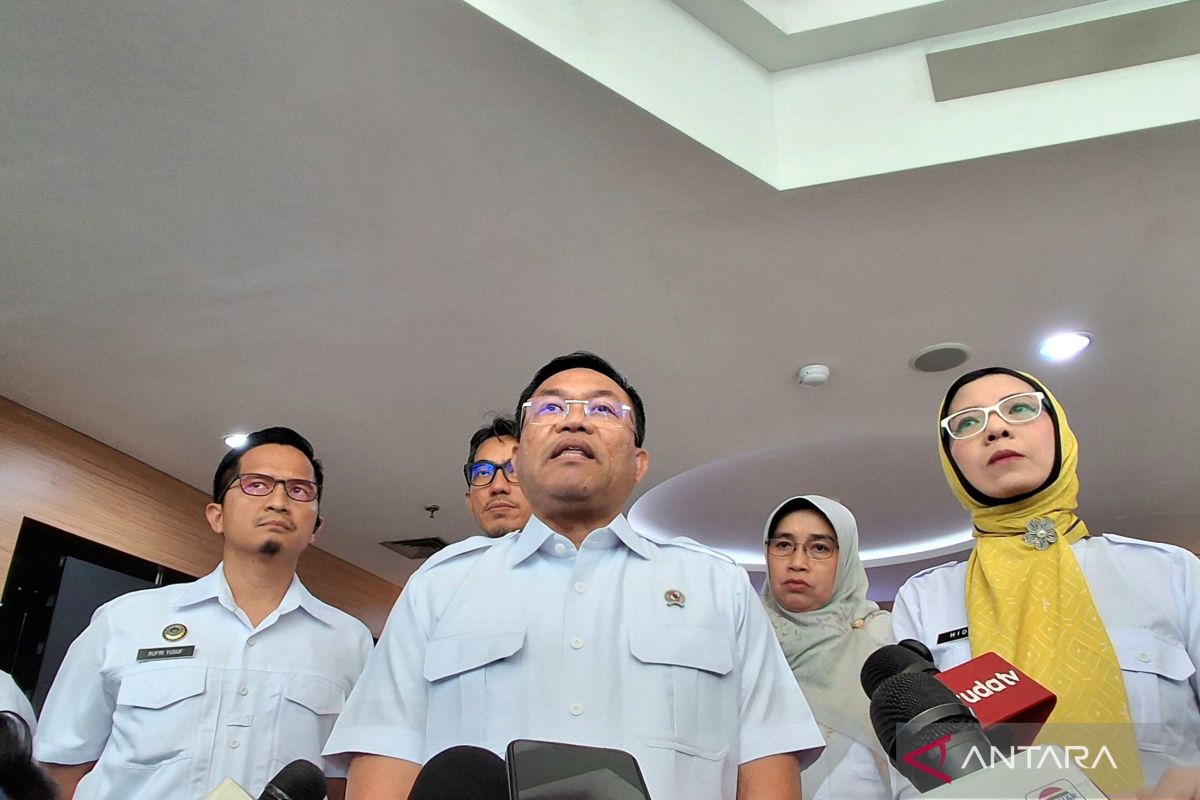
The National Nutrition Agency (BGN) supports government budget efficiency measures by altering the distribution pattern of the Free Nutritious Meals (MBG) programme without reducing the benefits received by pregnant women, nursing mothers, toddlers (3B), and students. Deputy Head of BGN Sony Sonjaya stated this in response to the agency’s 2026 budget allocation of Rp268 trillion. He said the efficiency measure involves reducing MBG distribution from six to five days per week. “The concept is that MBG is provided only when students are at school. With the new arrangement, meals will no longer be given during school holidays or when students are engaged in off-campus activities,” he said at a press conference in Jakarta on Tuesday. Despite the distribution adjustments, BGN assured that the monetary value of meal benefits remains unchanged at Rp10,000 per portion in Java and surrounding areas, with adjustments for cost of living in remote, border, and outermost regions (3T). Sony explained that the ‘bundling’ scheme, where meals for multiple days were provided during mid-week school holidays, has been discontinued. “Now it’s no longer the case, which demonstrates our commitment to budget efficiency,” he added. Amid budget efficiency measures, BGN stated the MBG programme continues to drive local economies. Currently, there are 27,757 operational Nutrition Service Units (SPPG) serving 62.5 million beneficiaries. The total daily operational budget for MBG amounts to approximately Rp942 billion. Of this, around Rp128.9 billion is allocated to honouraria for approximately 1.28 million SPPG volunteers and workers. Additionally, Rp58.7 billion is allocated for operational costs including mineral water purchases, office stationery, personal protective equipment, electricity, water, transportation, and cleaning supplies. The largest portion of the budget flows to the supply chain for raw materials, including rice, fish, chicken, eggs, vegetables, fruits, cooperatives, SMEs, Village-Owned Enterprises (BUMDes), and other local suppliers. BGN also explained that approximately Rp166.5 billion per day is allocated as investment returns for partner foundations that constructed SPPG facilities and provided operational equipment. “This is not profit; it is not profit. It is a daily investment return provided up to a certain period,” Sony said.