
BGN Shifts MBG Kitchen Scheme in 3T Regions, Dudung: Companies to Step In via CSR Funds
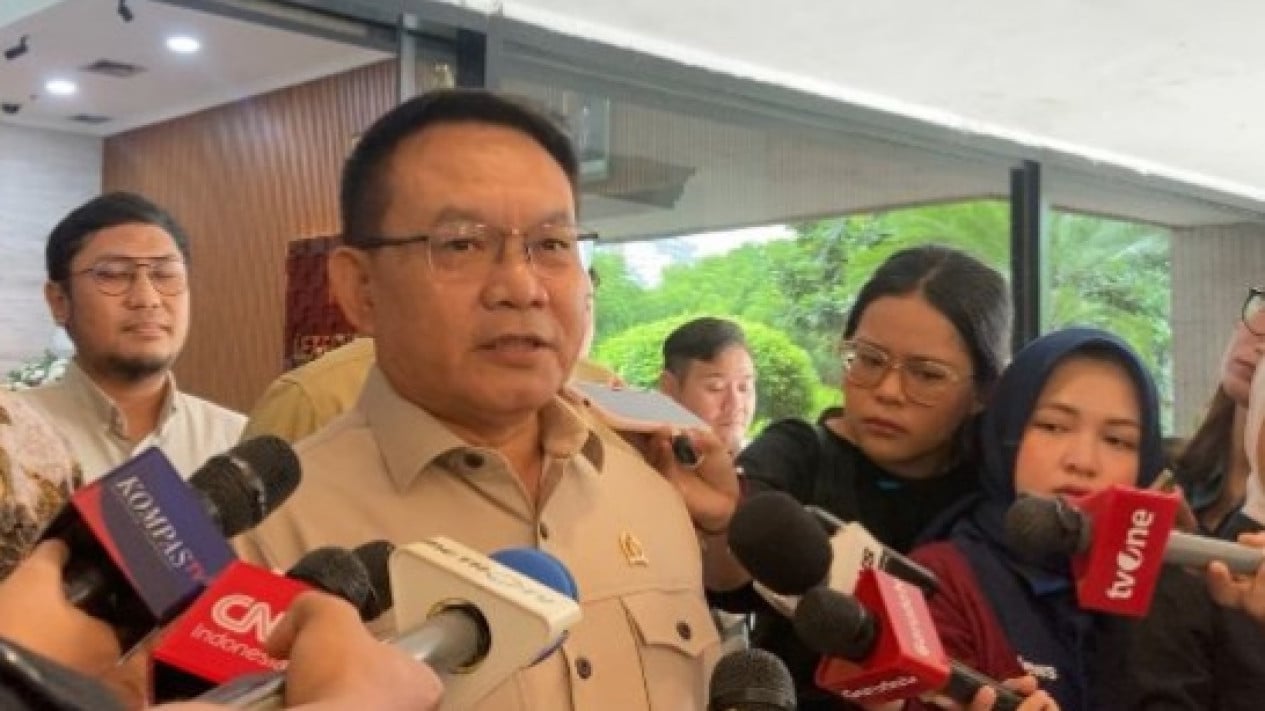
The government is preparing a major change in the implementation of the Free Nutritious Meal (MBG) programme in disadvantaged, frontier, and outermost (3T) regions. Previously, the construction of Nutrition Fulfilment Service Units (SPPG) relied on a scheme that burdened the state budget. Going forward, MBG kitchens in 3T areas will be encouraged to be managed by companies through Corporate Social Responsibility (CSR) programmes. The plan was revealed by Chief of the Presidential Staff Office (KSP) Dudung Abdurachman after an audience with Head of the National Nutrition Agency (BGN) Nanik S Deyang at the KSP Building in Central Jakarta on Wednesday. “Regarding the kitchens in the 3T regions, Mrs Nanik’s plan is that these will instead be given to companies in the surrounding areas, so they do not overly burden the state budget (APBN),” Dudung said. According to Dudung, companies operating near 3T regions will be given the space to participate in the construction and management of MBG kitchens through the utilisation of CSR funds. The scheme is considered capable of expanding the programme’s reach without having to fully depend on state financing. “So, many kitchens will be built, perhaps given to companies that are indeed good. Their CSR funds will be used for that,” he stated. This measure is part of BGN’s efforts to improve the governance of the MBG programme after various problems emerged in its field implementation, including polemics over MBG kitchen investments and alleged trading practices of SPPG points, which are now under public scrutiny. During the meeting, Dudung said the Head of BGN also explained the impact of the point trading practices allegedly occurring in the development of the MBG kitchen network. According to him, one of the root causes of the problem arose from a discrepancy between the initial assumption of the number of beneficiaries and the actual conditions on the ground. “Mrs Nanik also conveyed the impact of point trading. The point trading is like this. As I said earlier, one kitchen is supposed to serve, for example, three thousand beneficiaries,” Dudung explained. He clarified that in the initial planning, one MBG kitchen was assumed to serve around 3,000 beneficiaries. This figure then became the basis for various investment calculations and operational schemes.