
BGN Says MBG Programme Becomes New Economic Engine: Rp249 Trillion for Local Spending
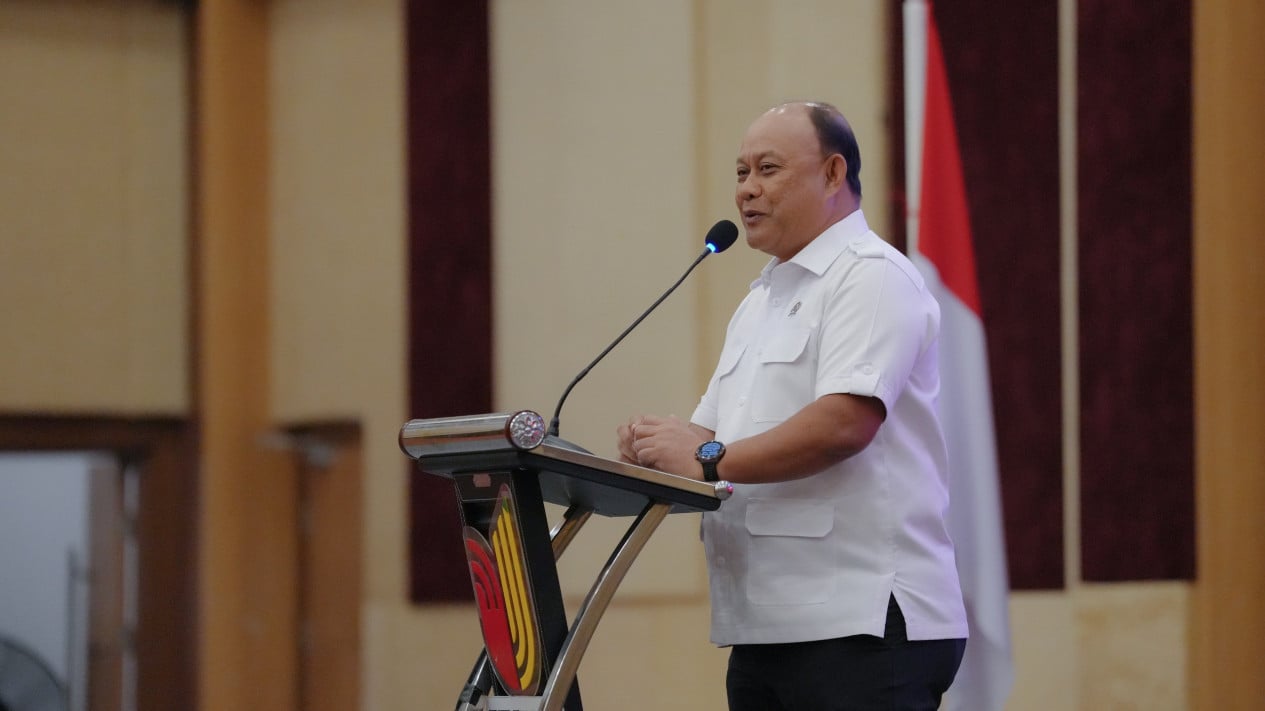
Makassar, VIVA – The Free Nutritious Meals (MBG) programme run by the National Nutrition Agency (BGN) not only targets improvements in human resource quality but is also beginning to demonstrate significant impacts as a driver of regional economies. With a total budget reaching Rp268 trillion, this programme represents one of the largest fiscal interventions directly reaching communities at the local level.
BGN Head, Dadan Hindayana, emphasised that the MBG programme’s design is aimed at creating economic circulation in the regions through a funding distribution scheme that flows directly to Nutrition Fulfilment Service Units (SPPG).
“We channel the funds directly to the regions via virtual accounts at each SPPG. Around Rp248–249 trillion flows downwards and is spent locally,” said Dadan at the U25 State Public University Forum (PTN-BH), attended by rectors from 24 PTN-BH in Makassar, quoted on Wednesday, 29 April 2026.
According to Dadan, this scheme positions SPPG as new centres of economic activity in the regions. Each SPPG unit manages around Rp1 billion per month, with the majority of these funds used to purchase raw food materials from surrounding communities.
Dadan explained that approximately 70% of the SPPG budget is allocated for raw material purchases, 95% of which consists of local agricultural, livestock, and fishery products.
“This means the nutritious meals programme is synonymous with local food self-sufficiency, as nearly all needs are supplied from within the region,” he stated.
The economic impacts are evident in several areas, one of which is West Java. With around 6,200 SPPG units, the fund circulation from this programme is estimated to reach Rp6 trillion every month.
“In West Java, there are already 6,200 SPPG units. That means around Rp6 trillion per month circulates in the region just from this programme,” Dadan revealed.
Dadan added that the large-scale fund flows are beginning to create multiplier effects on the local economy. Demand for agricultural commodities is increasing, product prices are becoming more stable, and production activities among farmers and small businesses are being boosted.
Furthermore, the programme also contributes to socio-economic indicators. BGN has recorded trends of declining poverty and unemployment rates in several regions, as well as narrowing economic disparities.