
BGN Removes 76 Affluent Schools in Java from Free Nutritious Meal Programme
The National Nutrition Agency (BGN) has identified 76 schools with a total of 39,352 students on Java Island that are considered financially capable yet were included in the distribution of the Free Nutritious Meal (MBG) programme. These schools are no longer a priority for receiving MBG benefits.
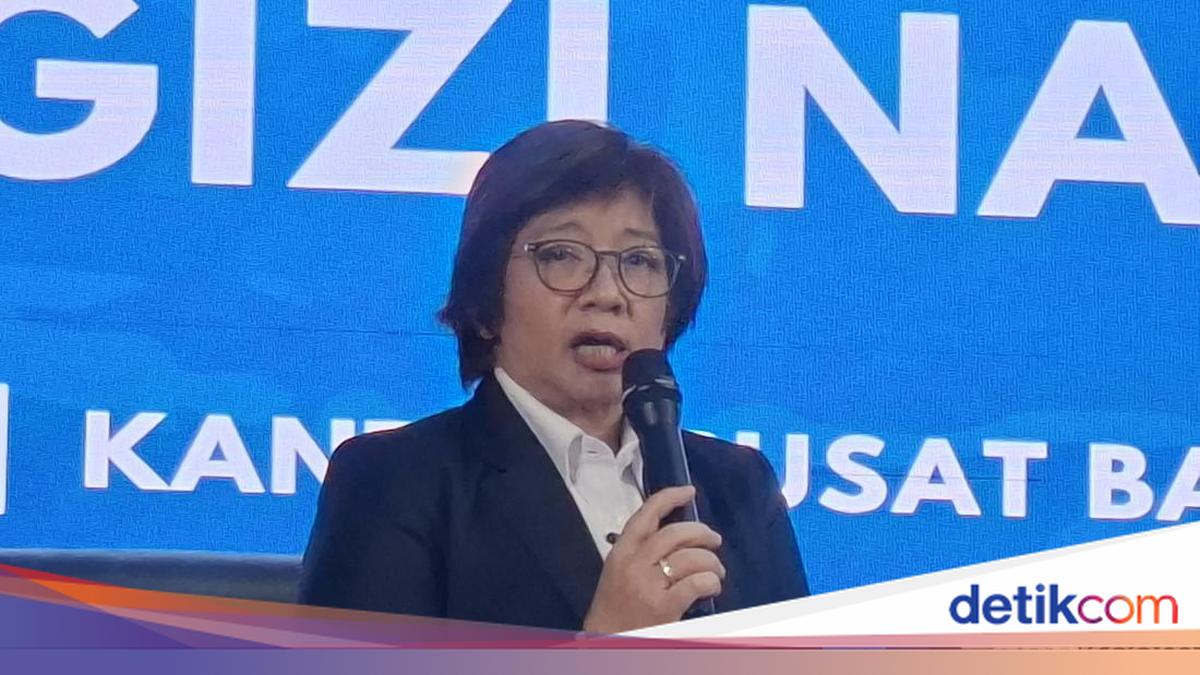
“As of today, we have collected data and identified 76 schools in Java with 39,352 beneficiaries, which we will also streamline by refocusing the budget previously allocated there. We will concentrate the MBG programme on children who require nutritional intervention,” said BGN Deputy Head Agustina Arumsari at the BGN office in Central Jakarta on Thursday (18/6/2026).
According to Agustina, these schools fall into the ‘capable’ category based on several criteria established by the BGN. One key criterion is the ability of students and the school environment to meet nutritional needs independently without government programme assistance.
“The schools I mentioned earlier are considered, based on several criteria we have developed, to be independently capable of meeting their nutritional needs and therefore do not require government intervention,” she stated.
She explained that the budget previously allocated for these schools will be redirected to groups in greater need. The BGN plans to expand the programme’s reach to underdeveloped, frontier, and outermost regions (3T), as well as vulnerable groups such as pregnant women, breastfeeding mothers, toddlers, and children experiencing nutritional vulnerability.
“Therefore, the government is redirecting it to other schools, other locations, to 3T regions, to pregnant women, breastfeeding mothers, and toddlers,” she said.
Sari emphasised that the figure of 76 schools is still provisional. The BGN continues to update and verify data to determine which schools or community groups are eligible to receive the MBG programme.
According to her, the data updating process considers several indicators, ranging from socioeconomic conditions and levels of nutritional vulnerability to access to food and nutritional fulfilment.
“That number will continue to grow because we are indeed looking at several indicators, including nutritional vulnerability, socioeconomic conditions, access to nutritional fulfilment, and so forth,” she clarified.
She added that the refocusing of beneficiaries is intended to make the state budget used in the MBG programme more effective and efficient. In this way, the government’s nutritional intervention can reach those most in need.
“For those who can independently meet their nutritional needs because their economic conditions place them in a high decile, the Free Nutritious Meal programme will not be provided,” Agustina stated.