
BGN: Nutritional resilience becomes a new pillar of national defence
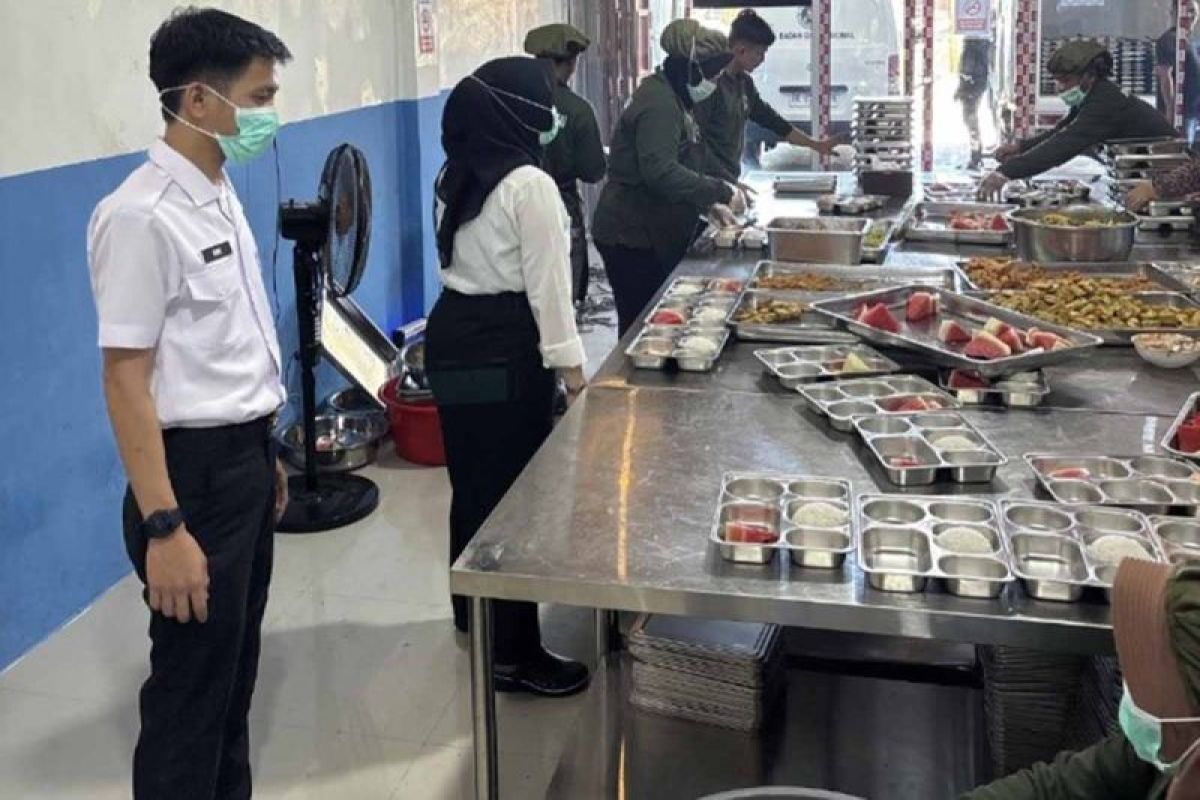
The National Nutrition Agency (BGN) has stated that nutritional resilience is no longer viewed solely as a health issue, but has become an important part of Indonesia’s national defence strategy, notably through the Free Nutritious Meals Programme (MBG).
Head of the BGN’s Legal and Public Relations Bureau, Khairul Hidayati, explained that global strategic developments have changed the perspective on national security. Where previously threats were mostly associated with armed conflict, now various non-traditional threats such as food crises, nutritional crises, pandemics, and climate change also have a major impact on a country’s stability.
“National resilience in the modern era is not only determined by military strength, but also by the quality of the nation’s human resources. Therefore, nutritional resilience must be seen as an integral part of the national defence and security system,” said Hida in Jakarta on Tuesday.
According to her, the nutritional quality of society is closely linked to the nation’s ability to build human resources that are healthy, intelligent, productive, and competitive. Optimal fulfilment of nutrition from an early age is an important foundation for creating a superior generation capable of facing various development challenges and global dynamics.
Hida asserted that from a human security perspective, the state has a responsibility to ensure the public gains access to safe, nutritious, and sustainable food. These efforts aim not only to improve public health quality but also to maintain social stability and strengthen national resilience.
“A nutritional crisis can have long-term impacts on the quality of human resources, national productivity, and the nation’s competitiveness. Therefore, nutritional fulfilment is a strategic investment that must be the concern of all stakeholders,” she said.
She described the MBG Programme as one of the government’s strategic instruments to strengthen national nutritional resilience. The programme is considered to not only contribute to improving the nutritional status of the public but also to be part of character building and quality development for the nation’s future generations.
Hida added that successfully strengthening nutritional resilience requires strong regulatory support, good governance, an integrated food safety system, and cross-sector synergy. The presence of the BGN is a strategic step by the government to ensure the national nutrition fulfilment agenda runs sustainably and measurably.
“Building national resilience is not only achieved through economic and defence strength, but also through fulfilling every citizen’s right to safe and nutritious food. From good nutrition, we cultivate human resources that are healthy and productive, capable of leading the nation towards a stronger and more competitive future,” she concluded.