
BGN Ensures Free Nutritious Meal Programme Drives Local Economy, SPPG Banned from Using Subsidised Commodities
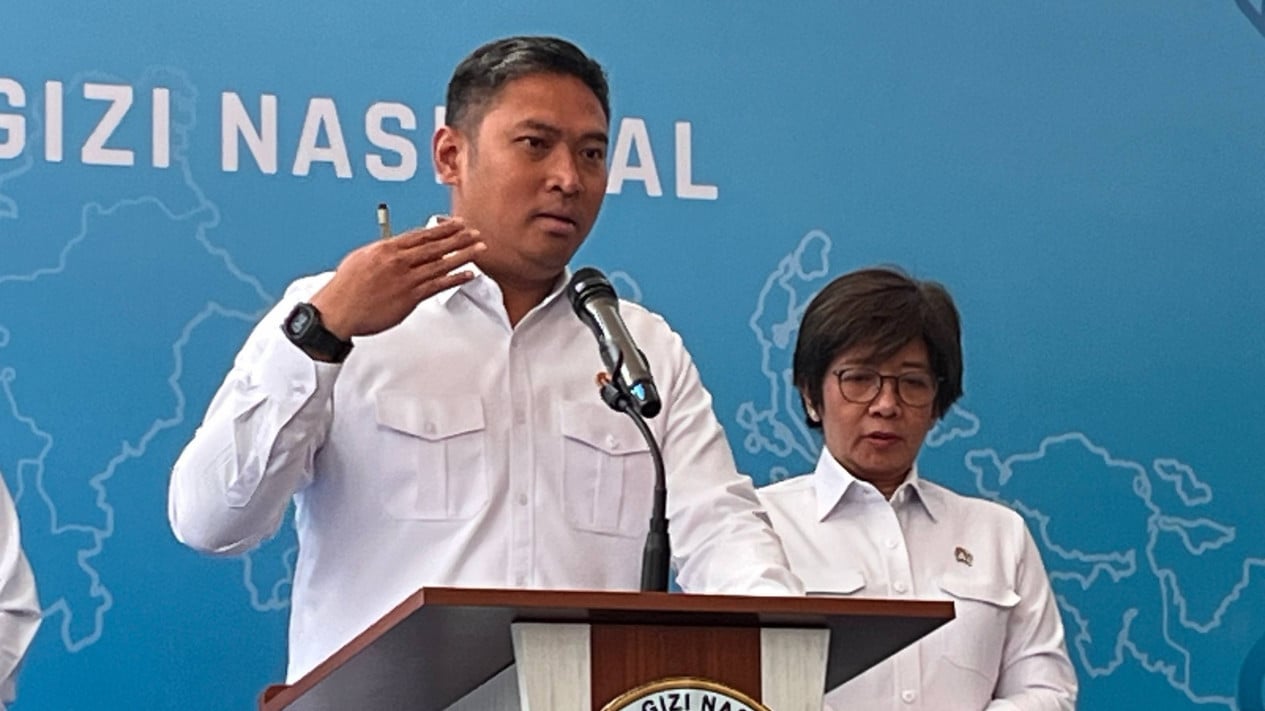
The National Nutrition Agency (BGN) is strengthening the implementation of the Free Nutritious Meal (MBG) programme to ensure it not only improves public nutrition but also drives regional economies and maintains food price stability at the producer level. Head of BGN, Sudaryono, stated that the programme is designed as an instrument to enhance human resources while simultaneously strengthening local economies through a healthy and equitable food ecosystem. “This is a collective effort. The impact is twofold: improving the quality of future generations while creating an economic revolution for local economies,” Sudaryono said in Jakarta on Monday.
Sudaryono explained that the success of the MBG programme is measured not only by the provision of nutritious food to children but also by its ability to create a multiplier effect on the economic sector. To support this, BGN is building healthy and fair partnership patterns with all parties involved, including partners who have invested in building Nutrition Fulfilment Service Units (SPPG). He assured that the government is preparing a settlement scheme to provide certainty and fair treatment for these partners. “We will ensure there is a fair scheme. It may not be exactly as previously promised, but we will strive to ensure that partners who have acted in good faith do not suffer losses and receive the best possible resolution,” Sudaryono said.
In addition to strengthening partnerships, BGN is tightening governance by enforcing strict rules on food ingredients. Sudaryono emphasised that all SPPGs are strictly prohibited from using subsidised commodities in their operations. This includes a ban on the use of MinyaKita cooking oil, subsidised 3-kg LPG canisters, and SPHP (Food Supply and Price Stabilisation) rice in the preparation of nutritious meals.