
BGN Digitises Local Supply Chains to Supply Free Nutritious Meals Programme
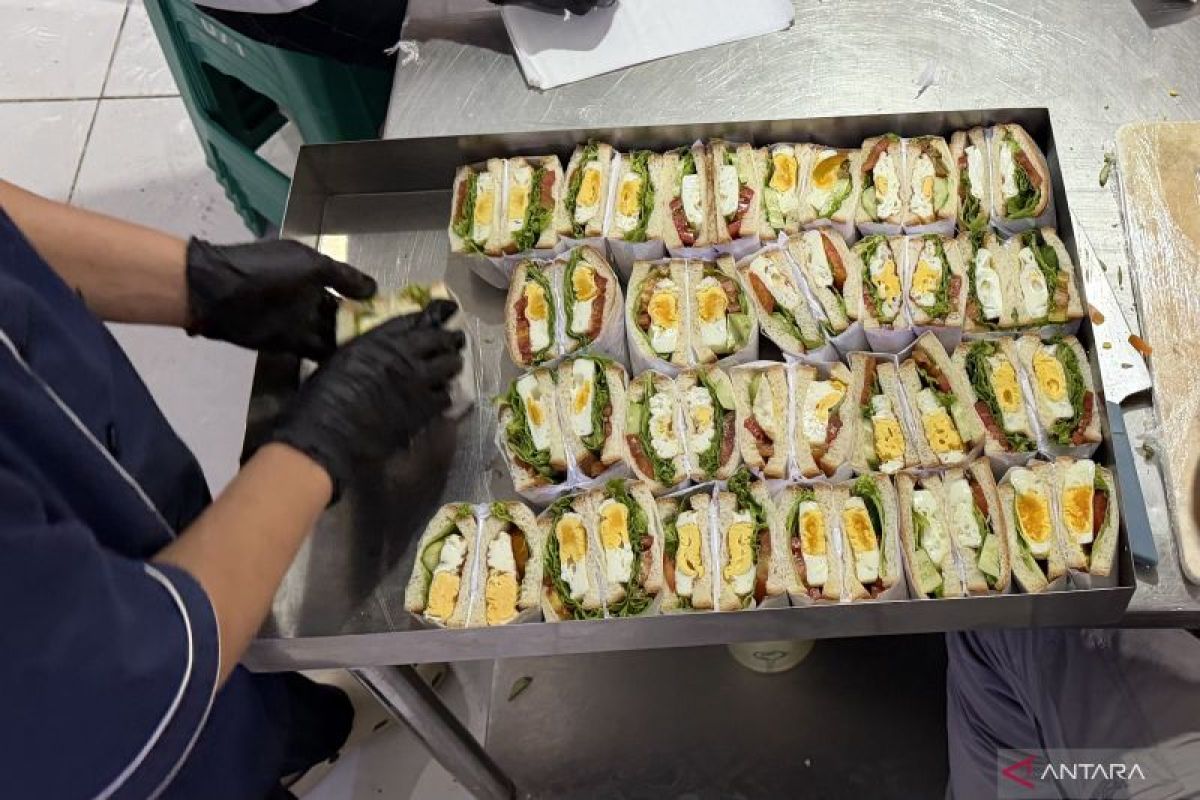
Jakarta (ANTARA) – The National Nutrition Agency (BGN) is digitally integrating local supply chains to supply the Free Nutritious Meals (MBG) programme, as part of efforts to strengthen food sovereignty in Indonesia.
BGN spokesperson Tysa Novenny said strengthening local supply-chain ecosystems and human resources was also an important part of the MBG 2.0 transformation. The agency has digitally integrated local supply chains to make the process faster and more efficient.
“The launch of Loka MBG digitally integrates local supply chains, making them faster and more efficient. This is complemented by the launch of Patriot Gizi, which empowers graduates of the Indonesian Development Drivers programme (SPPI) in every region. They are trained to serve on the front line as food-safety educators, programme mobilisers and collectors of data on the programme’s direct impact in communities,” Tysa said in Jakarta on Wednesday.
The transformation is also intended to expand access to the programme in areas facing geographical challenges and greater nutritional needs. BGN has activated nearly 1,500 Nutrition Fulfilment Service Units (SPPG) in frontier, underdeveloped and outermost regions (3T), as well as areas with high and very high stunting prevalence. These include 480 SPPG in eastern Indonesia and 980 in central Indonesia.
The transformation signals that programme expansion must go hand in hand with stronger governance and oversight. MBG 2.0 is not simply intended to increase the programme’s scale, but to ensure that every process meets higher standards.
“Today, we are continuing with order and responsibility. MBG 2.0 is not about a bigger programme, but a better-run one. Large scale, high standards, because Indonesian children deserve the best,” she said.
The MBG programme is now operating on a large scale, with 57,491,334 beneficiaries, 1,027,998 workers involved and 26,385 SPPG units in operation.