
BGN Closes 1,300 Free Nutritious Meal Kitchens in Three Weeks, Some Permanently
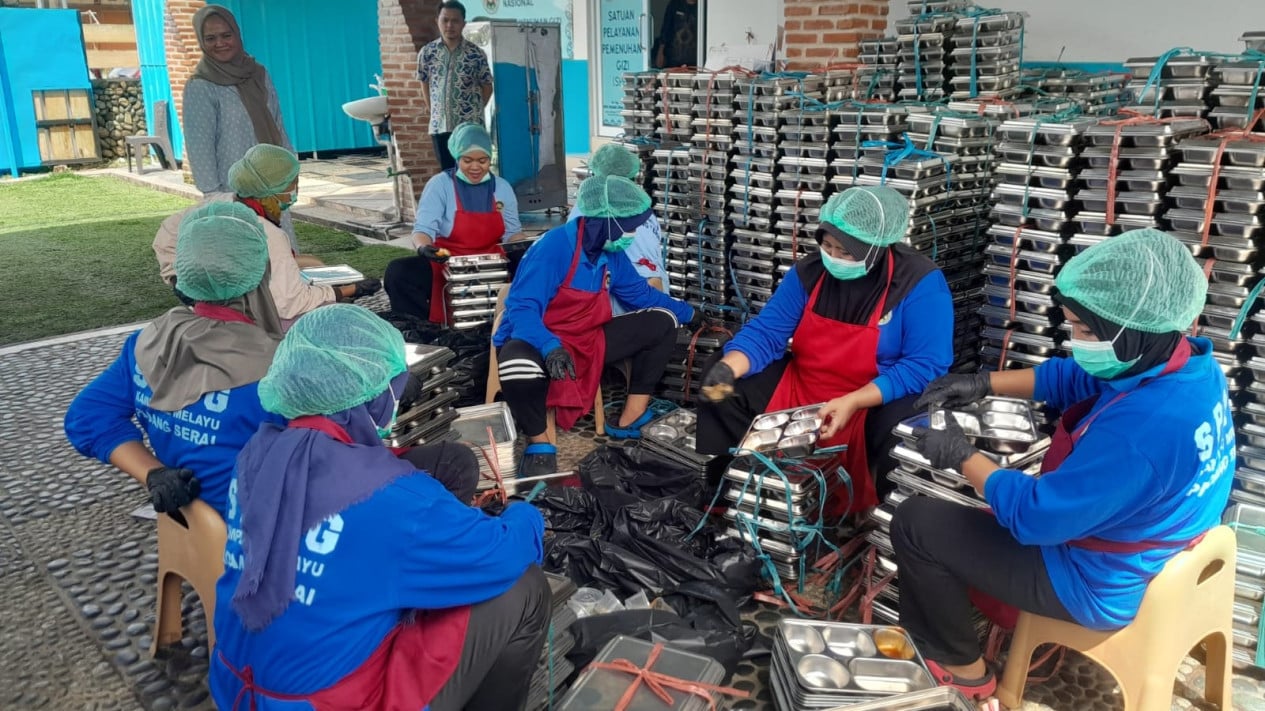
The National Nutrition Agency (BGN) has revealed that it has closed around 1,300 Nutrition Fulfilment Service Units (SPPG), or Free Nutritious Meal (MBG) kitchens, over the past three weeks.
The closures were carried out as part of an evaluation of MBG kitchens deemed not to meet the standards set by the BGN. The move is also an effort to prevent a recurrence of food poisoning cases in the implementation of the MBG programme.
BGN Head Sudaryono said that around 800 SPPG had been closed previously, with a further 500 kitchens closed in the latest evaluation.
“So I have already closed perhaps 800, and yesterday I closed another 500, so I have closed 1,300 during my three weeks as head,” Sudaryono said before the flag-lowering ceremony for the 81st Anniversary of the Republic of Indonesia at Merdeka Palace on Monday (17/8/2026).
Sudaryono stressed that the closures are not merely a temporary measure. SPPG that cannot be improved or are unable to meet BGN standards may be closed permanently.
According to him, food safety standards in the MBG programme are non-negotiable because they are directly linked to the health and safety of beneficiaries.
“If there are still those who do not want to improve, then I apologise, but for the sake of someone’s life, for the sake of someone’s health, for the sake of fulfilling the nutrition of all our children, for the sake of the excellence of this programme — the intention is good, the goal is good, but if you cannot follow the implementation, then unfortunately it must be closed permanently,” he asserted.
The BGN is evaluating kitchens that still have shortcomings. If the issues can be rectified and standards can be met, SPPG operations may continue. However, if they cannot comply with the requirements, permanent closure becomes the option.
Sudaryono also highlighted the method of food inspection before serving. According to him, organoleptic checks — examining smell, taste, or sampling the food — are not always sufficient to ensure that food is safe for consumption.
He cited the case that occurred in Berastagi, North Sumatra, as one of the BGN’s evaluation materials.
Food may appear normal when checked organoleptically, but it can still potentially cause problems after consumption.