
Beyond the Free Nutritious Meals Programme: Criteria for Local Governments to Receive Incentives from Rp1 Trillion Fund
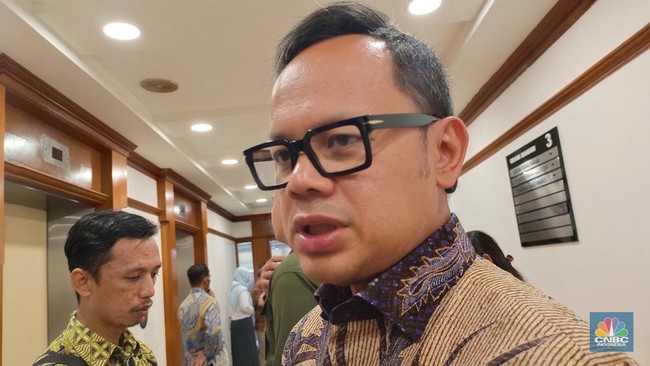
Jakarta, CNBC Indonesia — Deputy Home Affairs Minister Bima Arya Sugiarto has explained the Rp1 trillion incentive budget for high-performing local governments.
He stressed that the incentives are not allocated solely on the basis of performance in implementing the Free Nutritious Meals (MBG) programme, but cover various aspects of local government performance.
The assessment indicators include success in reducing stunting, unemployment and poverty. They also cover access to and the quality of health and education services, implementation of the Three Million Homes Programme, waste and ASRI environmental management, and inflation control.
“The Government also recognises regions that are able to find alternative sources of funding, boost economic growth and implement Minimum Service Standards,” Bima Arya said in a statement cited on Monday (2 November 2026).
He said the incentives are part of the Home Affairs Ministry’s efforts to improve the quality of public services while recognising local governments that demonstrate strong performance.
“Since this year, we have also been recognising local governments. We provide incentives to give regions additional funding,” he said.
From next year, Bima said, the ministry will add implementation of the MBG programme as one of the assessment criteria. The assessment will consider not only compliance with governance and transparency requirements, but also a region’s ability to build a local economic ecosystem through the programme.
“We need to clarify this. The Home Affairs Minister’s remarks were not fully understood by the media and public. One of the Home Affairs Ministry’s main duties is to ensure that all local governments perform their public service functions well,” he said.
According to Bima, the assessment of MBG implementation will also consider whether beneficiaries are correctly targeted. The programme must reach the designated groups, including school pupils, pregnant women and breastfeeding mothers, and support efforts to tackle stunting.
Bima also said the awards for the relevant assessment category are Rp3 billion for first place, Rp2 billion for second place and Rp1 billion for third place. The Rp1 trillion figure that has attracted public attention is therefore the total budget for all incentives, not funding specifically for the MBG programme.
He added that about 270 regencies and municipalities received incentives in the first and second rounds of the 2026 High-Performing Local Government Awards. The policy is one of the ministry’s efforts to strengthen local governments’ fiscal capacity, particularly in areas with limited fiscal resources.
“This is an effort by the Home Affairs Ministry to help strengthen regional fiscal capacity, especially in areas with weaker finances, provided they have demonstrated good performance,” he said.
On the disbursement mechanism, Bima said the incentive budget comes from the Finance Ministry and is transferred directly to local government accounts. Recipient local governments must submit proposed spending plans to the Home Affairs Ministry to ensure the funds are used appropriately.
The funds are intended to support improvements in public service quality, particularly in health and education programmes, as well as to strengthen the economic capacity of local communities. The Home Affairs Ministry will also ensure that the funds are used transparently so the public can directly benefit.
“We want to make sure that these billions of rupiah are felt by the people,” he said.
Source: jawawa.id (https://jawawa.id/newsitem/beyond-the-free-nutritious-meals-programme-criteria-for-local-governments-to-receive-incentives-from-rp1-1793595057)
Originally published by CNBC Indonesia (https://www.cnbcindonesia.com/news/20261102090024-4-781392/tak-hanya-sukses-urus-mbg-ini-kriteria-pemda-dapat-insentif-rp1-t), translated from Indonesian