
Beyond Technology: Building a Resilient Safety Culture
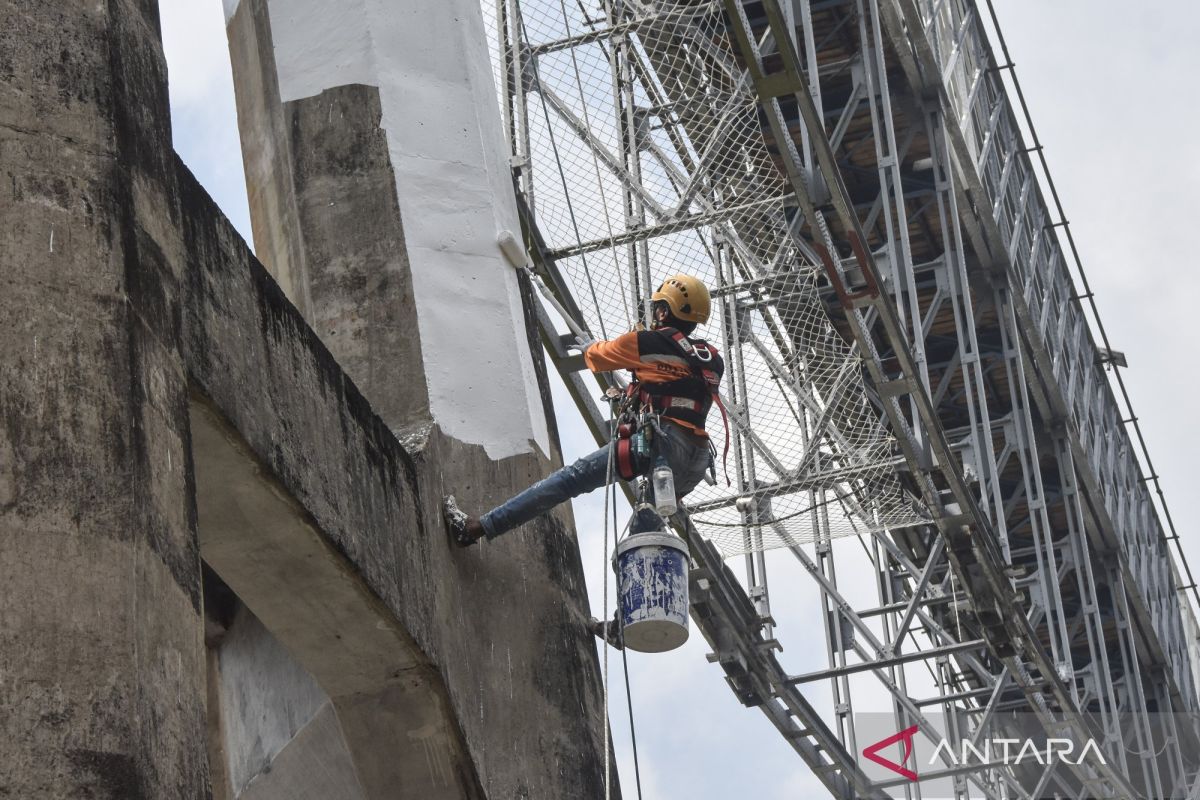
Many companies are often caught in an “illusion” of control because they are overly focused on personal protective equipment (PPE) and temporary fixes, rather than eliminating hazards at their source.
Jakarta (ANTARA) – Fundamental transformation in occupational safety and health (OSH) in an era of climate change requires more than adopting technology: it means building a resilient safety culture.
Extreme weather and the changing nature of modern work have created far more complex risks. The safety paradigm must therefore shift from administrative compliance alone to genuine protection across every level of operations.
Conventional approaches have proved inadequate to contain this new wave of risks. Artificial intelligence (AI) is now being integrated into OSH practices because it can monitor worksites in real time and detect hazards early. This is crucial to preventing fatal accidents in construction, plantations and other high-risk areas.
AI’s capabilities must be embedded in workplace culture to create an intelligent and sustainable safety ecosystem. Early warnings need to be matched by an awareness of when to act if the technology is to make a meaningful difference.
The integration of technological intelligence and human awareness is the key to transforming safety on the ground. Various high-risk sectors are beginning to show that monitoring devices are not merely detection tools, but can also prompt safer and more humane working habits.
Throughout 2025, data from the Manpower Ministry’s Satudata platform recorded 319,382 national work-accident claims, with construction-sector participants accounting for 1.13 per cent. Although the proportion appears small compared with general worker participation, construction remains a high-risk sector because of falls from height and exposure to weather and open environments.
Anemometer sensors on tower cranes and lightning detectors at high-rise building sites must not simply serve as alarm indicators; they should trigger the actual use of Stop Work Authority (SWA).
Source: jawawa.id (https://jawawa.id/newsitem/beyond-technology-building-a-resilient-safety-culture-1795582445)
Originally published by Antara (Indonesian) (https://www.antaranews.com/berita/5876735/melampaui-teknologi-membangun-budaya-k3-tangguh), translated from Indonesian