
Beyond Seoul: 4 South Korean Regions Emerging as New Favourites for Indonesian Tourists
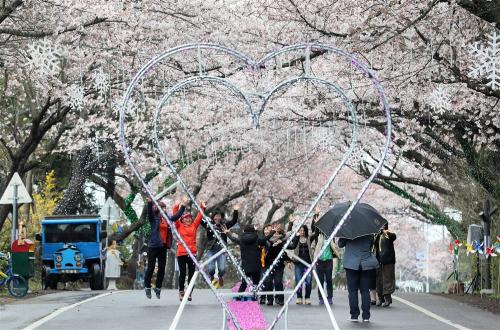
Seoul, with all its grandeur, has long been the main gateway for Indonesians to experience the atmosphere of South Korea. However, recent travel trends have recorded an interesting anomaly. The K-Culture wave no longer merely prompts Indonesians to visit to buy K-pop albums or cosmetics in metropolitan malls; it is sparking a deeper curiosity about what it feels like to live daily life in corners of Korea that have so far only appeared as cinematographic backdrops on screen. This shift in taste is documented in Airbnb’s latest report titled ‘Korea Calling: How K-Culture Is Driving a New Generation of Travelers into Korea’. The report states that 97 per cent of Indonesian travellers openly admit their interest in the Ginseng Country is rooted in its culture. However, instead of piling into the capital, the compass of their holidays is now beginning to spread to secondary regions. Indonesian travellers are now hunting for authenticity, an organic experience that often hides behind the tranquillity of small towns and coastal areas. Airbnb’s Country Head for Southeast Asia and India, Amanpreet Bajaj, said Korean culture continues to drive Indonesian travellers’ interest in visiting South Korea. But what is increasingly visible now is that travellers are no longer solely interested in Seoul or entertainment-focused tourism. ‘This shift is evident from the growing number of travellers wanting to explore South Korea more deeply through local cuisine, cultural heritage, and tourist areas that have not been widely visited, as they also seek more authentic and profound travel experiences across various regions of South Korea,’ he said in a written statement received by Republika on Monday (22/6/2026). The desire to ‘escape’ the mainstream tourist trail in Seoul is not mere romanticisation. The report notes that 98 per cent of Indonesians stated they are ready to book tickets to satellite cities and remote areas of South Korea, provided they can find adequate and affordable accommodation outside the major cities. Their exploration radar is now aimed at several spots with strong visual and cultural character. Busan ranks top with 81 per cent interest, offering a neat contrast between steep cliffs, bustling traditional fish markets, and a dramatic coastline. In the next position, Jeju Island garnered 58 per cent of the vote as the best natural escape for lovers of tranquillity and volcanic landscapes. Meanwhile, buffer regions like Incheon and Gyeonggi captivated 47 per cent of travellers with their colonial historical heritage and ancient cultural sites, followed by Daegu at 39 per cent as a modest valley city surrounded by beautiful mountains. The biggest push making these cities suddenly crowded with visitors is the unique natural landscape factor, agreed upon by 66 per cent of respondents. Other local elements such as regional speciality cuisine at 56 per cent and local traditions at 41 per cent also play a role. Interestingly, visual memories from Korean dramas or feature films hold a 40 per cent influence in determining destinations. This shows that the visual aesthetics presented on screen can evoke a strong psychological curiosity for viewers to come and witness the reality in the real world firsthand.