
Beyond Nickel: New Sectors Targeted by Government for Downstreaming
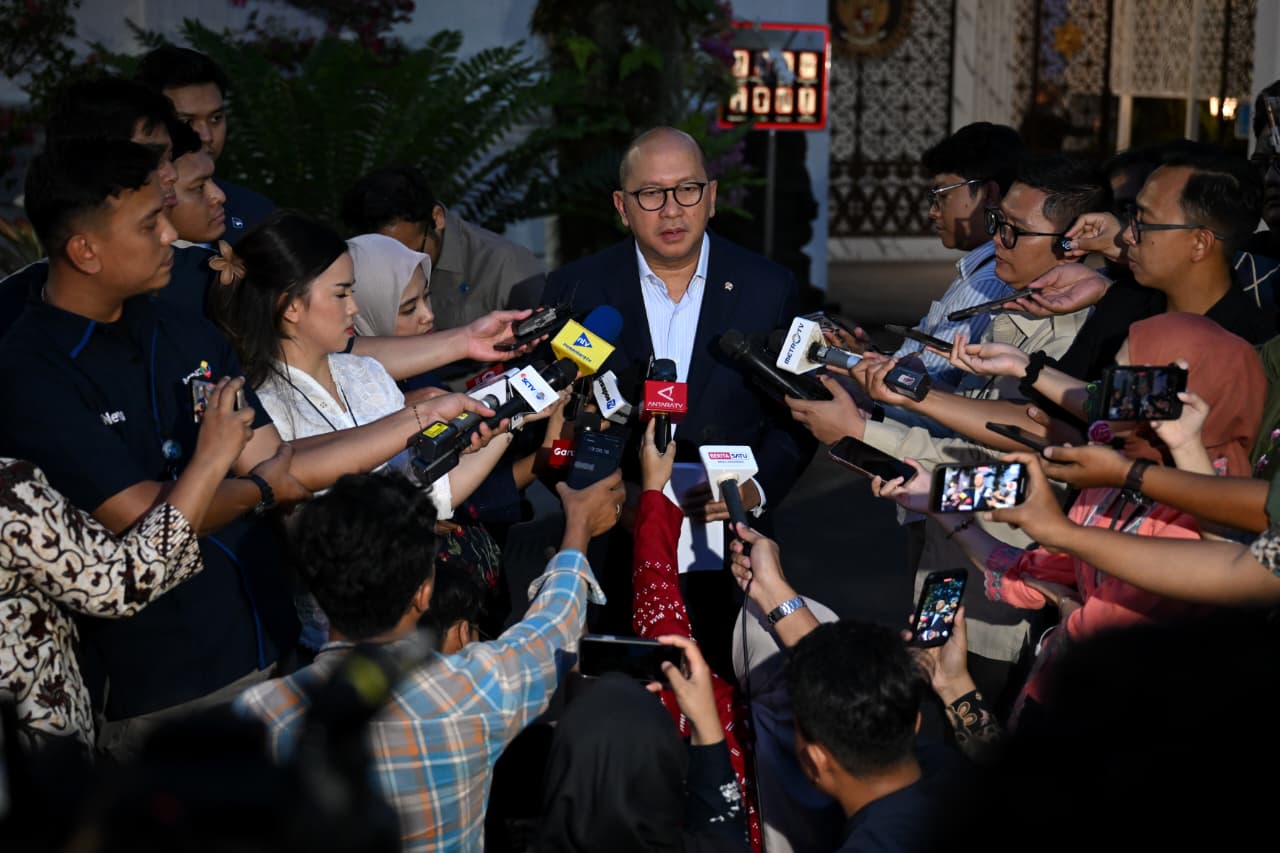
The government has begun expanding its downstreaming programme to sectors outside of mining. In this regard, the government will encourage the development of the semiconductor industry, bioethanol, as well as coconut and seaweed derivatives.
The Minister of Investment and Downstreaming/Head of BKPM, Rosan Roeslani, stated that the expansion of downstreaming is being implemented so that the benefits of investment and value addition do not only depend on mineral commodities.
“Moving forward, we are expanding this downstreaming to higher value-added commodities such as semiconductors, bioethanol, coconut derivatives, and seaweed,” said Rosan during a working meeting with Commission XII of the Indonesian House of Representatives (DPR RI) on Tuesday, 1 September 2026.
According to Rosan, downstreaming serves as one of the main drivers of investment in Indonesia while simultaneously driving more value addition from domestic commodities. In this way, raw materials are not merely sold as-is, but can be processed into products with higher economic value within the country.
Throughout the first semester of 2026, downstreaming investment reached IDR 300.1 trillion, or approximately 29.7 per cent of the total national investment realisation. This figure grew by 6.9 per cent compared to the same period in the previous year.
Downstreaming investment is still dominated by the mineral sector with a value of IDR 206.5 trillion. Commodities such as nickel, bauxite, and copper are the primary contributors. Meanwhile, approximately 75.7 per cent of downstreaming investment is located outside of Java, particularly in Central Sulawesi and North Maluku.
Rosan stated that the expansion of downstreaming into non-mineral sectors is expected to broaden the benefits of investment, including creating more employment opportunities in various regions.
“The benefits are not limited to the mineral sector, but also extend to other sectors and the creation of jobs,” he concluded.