
Beyond Article 33 Mandate: Chair of RESSED UI Outlines Benefits of Downstreaming for Indonesian Economy
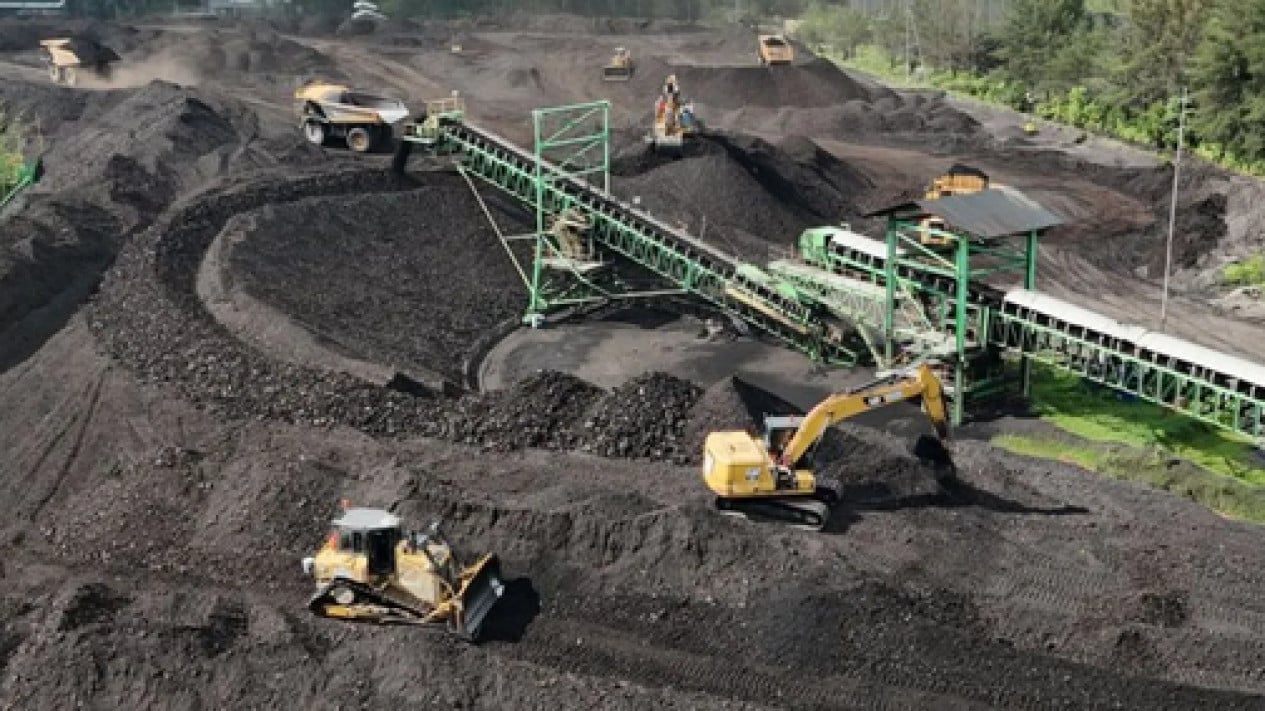
The Indonesian government is currently intensifying efforts to promote domestic mineral management. This initiative is part of the downstreaming policy, which has drawn significant attention from political elites and experts, including Ali Ahmudi, Chair of the Research Group on Energy Security for Sustainable Development at the University of Indonesia (RESSED UI).
Ali Ahmudi also referenced the mandate of Article 33 of the 1945 Constitution, stating that the management of natural resources, including through downstreaming, can provide optimal economic benefits for the nation.
“The greatest possible benefit from economic activities that utilise natural resources, including mining, must provide a significant economic contribution, including to state revenue, through taxes, profit-sharing, or other mechanisms,” explained Ahmudi.
He further explained that in this context, downstreaming serves as a vital instrument to ensure that increased added value truly results in a larger economic contribution. This process, he noted, creates a longer industrial value chain, expands economic activities, and strengthens national industrial resilience.
“As part of this ecosystem, the Indonesian Mining Industry Holding, MIND ID, conducts integrated mineral management alongside its holding members. Throughout 2025, MIND ID recorded a Generated Economic Value of Rp185.16 trillion and a Distributed Economic Value of Rp180.30 trillion, which was channelled to the state, workers, business partners, investors, and the community,” he clarified.
“This contribution reflects how integrated mineral resource management is capable of creating economic value that flows into various sectors, while simultaneously strengthening the role of the mining industry in supporting the national economy,” he added.
He provided a concrete example through the development of the bauxite ecosystem into alumina and aluminium. Through the downstreaming process, he explained, bauxite commodities—which previously had a relatively low value of approximately US$40 per metric tonne—can be processed into aluminium with a value reaching around US$3,400 per tonne.
Furthermore, he mentioned that aluminium products play a strategic role as primary raw materials for various industrial sectors, ranging from construction, transport, and electricity to new and renewable energy, such as solar panels.
Source: jawawa.id (https://jawawa.id/newsitem/beyond-article-33-mandate-chair-of-ressed-ui-outlines-benefits-of-downstreaming-for-indonesian-economy-1790852127)
Originally published by VIVA.co.id (https://www.viva.co.id/bisnis/1932376-tak-hanya-singgung-amanat-pasal-33-ketua-ressed-ui-ungkap-manfaat-hilirisasi-untuk-ekonomi-indonesia), translated from Indonesian