
Beware of the Danger of Microplastics Acting as a 'Trojan Horse' in Soil
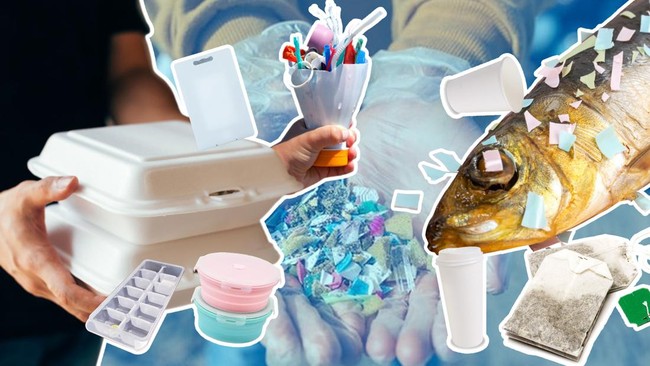
A five-year multinational research project has found that microplastics in the soil can act like a ‘Trojan Horse’, carrying various pollutants, pesticides, bacteria, and even genetic material into agricultural environments.
According to reports from The Guardian, the EU-funded research has produced 22 peer-reviewed studies so far. Researchers identified the presence of microplastics across 227 tested farmlands in 11 European countries.
These findings are a global concern because healthy soil plays a vital role in sustaining life and food production on Earth. In several instances, microplastic contamination levels reflect current agricultural practices and past land use, indicating that plastic pollution can persist in the soil for many years.
The research also reveals that microplastics can interact with other pressures faced by the agricultural sector, including pesticides and veterinary medicines. One study conducted in Switzerland found that farmlands with the highest concentrations of tyre wear particles also showed higher levels of toxic chemicals and other metals.
Microplastics as a Microbial Habitat
Researchers found that microplastics can serve as a site for the formation of new habitats for microorganisms on their surfaces, a phenomenon known as the ‘plastisphere’. The plastisphere becomes a space where interactions occur between plastic, microbes, and chemicals originating from agricultural activities.
In the study, an increase in genes related to antibiotic resistance was found within the plastisphere compared to control groups. The presence of pesticides appears to further strengthen this effect.
Edoardo Puglisi, a project partner and professor of microbiology at the Catholic University of the Sacred Heart in Piacenza, Italy, explained that the size of microplastics determines their ability to carry contaminants. He noted that the smaller the microplastic particles, the greater their tendency to absorb pollutants, microorganisms, and DNA.
This condition, according to Puglisi, creates what is described as a ‘Trojan Horse’ effect, which has the potential to increase the spread of pathogens and genes that cause antibiotic resistance. One study within the project also found that this ‘Trojan Horse’ mechanism can affect earthworms and other soil organisms by disrupting essential processes, including nutrient cycling. Earthworms themselves play a crucial role in shaping the composition of the soil microbiome and maintaining ecological functions.
Disrupting Plant Growth
The EU-funded Minagris project, in collaboration with the Countryside and Community Research Institute at the University of Gloucestershire, also found that microplastics affect plant growth and function. One study showed that higher concentrations of microplastics led to a greater reduction in leaf area, chlorophyll content, photosynthetic efficiency, and the biomass of lettuce plants.
The impact becomes even more pronounced when plants also face drought conditions. In such situations, plant performance was recorded to be worse than when plants experienced only one stressor in isolation. These findings suggest that various pollutants and environmental pressures do not always act independently; when present simultaneously, the interactions between these factors can produce different impacts.
Researchers believe that environmental assessment approaches that only look at pollutants in isolation need to be reconsidered. They argue that plastic pollution must be viewed as part of a broader issue regarding soil degradation and pollution.
Biodegradable Plastic is Not Automatically Safer
Efforts to reduce plastic pollution have driven an increase in the use of biodegradable plastics. However, research within the project shows that the ‘biodegradable’ label does not automatically mean the material is safer for the environment. This type of plastic can still break down into microplastics and potentially cause ecological impacts.
Source: jawawa.id (https://jawawa.id/newsitem/beware-of-the-danger-of-microplastics-acting-as-a-trojan-horse-in-soil-1789807955)
Originally published by CNBC Indonesia (https://www.cnbcindonesia.com/tech/20260919132650-37-769203/waspada-bahaya-mikroplastik-jadi-kuda-troya-dari-dalam-tanah), translated from Indonesian