
Beware of the Danger of 'Cognitive Virus' Due to Excessive AI Use
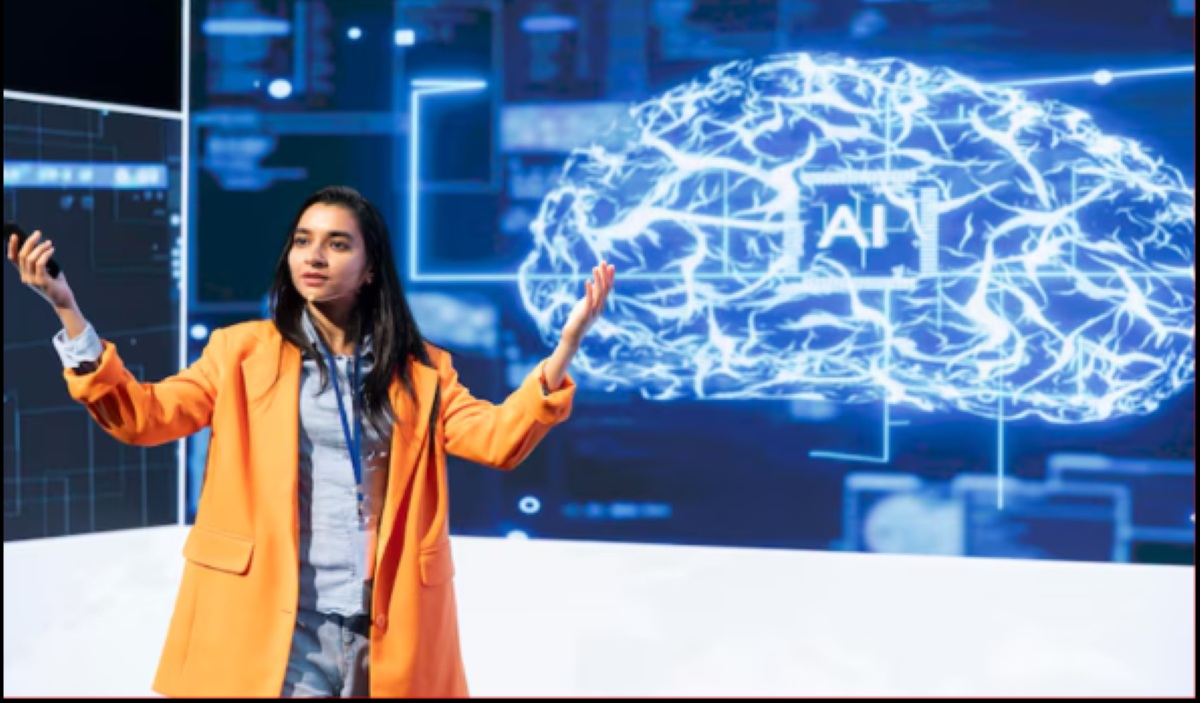
A group of scientists has issued a serious warning regarding the proliferation of artificial intelligence (AI) in society, which could potentially trigger unforeseen consequences for how humans think and learn. This phenomenon is described as a ‘cognitive virus’ that could lead to the loss of crucial human cognitive skills.
In a paper published on arXiv (currently awaiting peer review), researchers highlighted that Large Language Models (LLM) have become a routine part of daily life. However, there are concerns that this massive adoption could reach a critical threshold, triggering persistent dependency.
The researchers argue that uncontrolled use of LLMs could lead to runaway consequences. “Once the critical threshold is crossed, even a small increase in adoption can trigger a rapid shift at the population level towards persistent dependency, accompanied by a sudden loss of cognitive competence,” the researchers wrote.
These concerns are supported by data from Pew Research, which shows that more than half of respondents find AI more concerning than exciting. Excessive AI use is believed to cause a self-reinforcing loss of autonomy as the population moves towards a state of more intense cognitive offloading.
While this warning sounds grim, researchers have identified methods for ‘cognitive immunisation’ to counteract these negative effects. The key lies in reducing the transmission of dependency and facilitating the recovery of thinking abilities.
Some recommended protective measures include ensuring educational design focuses on AI models supporting, rather than completing, cognitive tasks. If users are not careful when delegating cognitive tasks to chatbots, they may unconsciously allow AI to reshape their reasoning and thought processes.
In the researchers’ view, this cognitive virus is a technological lineage embedded within the broader cultural, institutional, and technical infrastructure ecology. If left unmanaged, it will fundamentally alter the future of human cognition.