
Beware of Early Tuberculosis Symptoms: Persistent Cough and Weight Loss
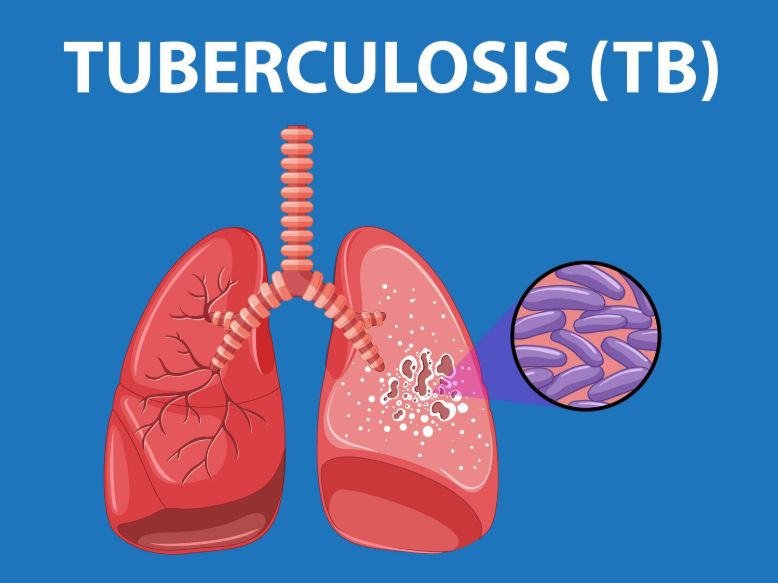
Tuberculosis (TB) remains one of the significant public health challenges in Indonesia. This infectious disease, caused by the Mycobacterium tuberculosis bacteria, primarily attacks the lungs but can also spread to other parts of the body. Awareness of early symptoms is key to breaking the chain of transmission and ensuring patient recovery.
Many people often ignore mild symptoms, dismissing them as ordinary coughs or fatigue from daily activities. However, delayed diagnosis can worsen a patient’s health condition and increase the risk of transmission to family members and the surrounding environment.
One of the most common indicators of pulmonary TB infection is a persistent cough. If you experience a productive cough lasting two weeks or more, it should be treated as an early symptom of TB. Unlike a cough caused by a common cold or flu, which usually subsert within days, a TB cough tends to persist and its intensity may increase. In more severe cases, the cough may be accompanied by blood spots (hemoptysis), indicating damage to lung tissue.
In addition to coughing, drastic weight loss is a systemic symptom frequently found in TB patients. The bacteria cause the body to consume energy reserves and trigger chronic inflammation, which reduces appetite. If you notice significant weight loss in a short period without undergoing a diet or changes in eating patterns, seek medical examination immediately. This weight loss is often accompanied by weakness and easy fatigue (malaise).
The Indonesian government, through the Ministry of Health, has provided free TB screening and treatment services at Puskesmas (Community Health Centres). The primary diagnostic method currently used is the Molecular Rapid Test (TCM), which can detect the presence of TB bacteria and drug resistance with high accuracy in a short period.
TB treatment involves the administration of Anti-Tuberculosis Drugs (OAT), which must be taken regularly without interruption. Compliance with medication is crucial to prevent the development of Drug-Resistant TB (TB-RO), which is much more difficult and time-consuming to cure.
It is important to note that TB transmission occurs through the air (droplets) rather than through eating utensils. However, maintaining good ventilation and sunlight in homes, wearing masks for sufferers, and practicing cough etiquette (covering the mouth with an arm or tissue) are essential preventive measures.
For drug-sensitive TB, standard treatment lasts at least six months without interruption. If the bacteria become resistant to drugs (Drug-Resistant TB), treatment becomes much longer—potentially up to two years—and the risk of death increases. Children are also highly vulnerable to contracting TB from adults around them; in children, symptoms often manifest as failure to gain weight or a lack of physical activity.