
Beware of Dry-Season Illnesses in Children: Types, Symptoms and Prevention
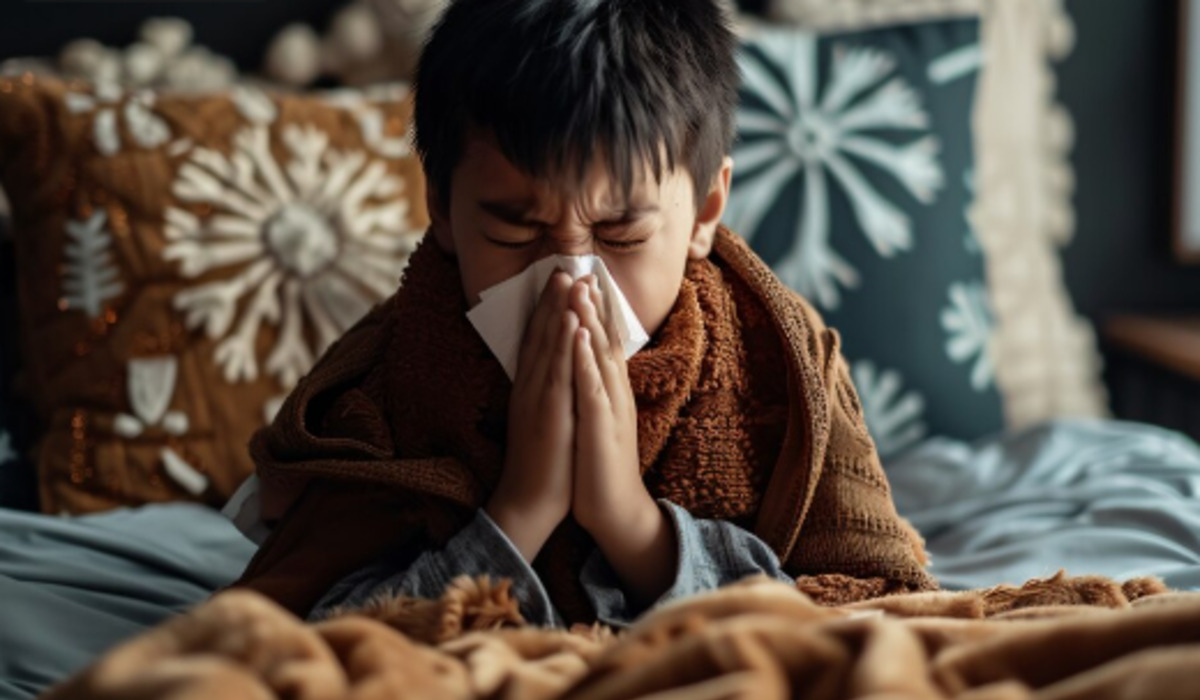
Dry seasons in Indonesia often bring significant health challenges, especially for vulnerable groups such as children. Extreme temperature swings between day and night, increasing air pollution from dust, and limited access to clean water are key triggers for a range of illnesses. Parents should understand that children’s immune systems are not fully developed, making them more susceptible to pathogens that can multiply rapidly in dry and hot or extreme weather conditions.
Acute Respiratory Infections (ARIs) are the illnesses that surge most during the dry season. Dust particles carried by the wind can easily be inhaled by children, causing symptoms such as coughs, runny noses, sore throats, and shortness of breath. Dry air also dries the mucous membranes in the nose, reducing their function as a barrier against germs.
Access to clean water is often reduced during long dry spells, forcing communities to use water sources that may be contaminated with bacteria such as E. coli. In addition, flies are more active in hot weather and can land on food, transferring germs that cause diarrhoea, vomiting, and typhoid to children’s intake.
Although associated with the rainy season, Dengue Fever (DBD) still poses a threat in the dry season. Water stagnation in rarely emptied storage containers becomes a breeding ground for Aedes aegypti mosquitoes. In hot weather, the mosquito life cycle can be faster, so the mosquito population can increase more quickly.
Exposure to strong sunlight and dust can cause skin irritation, prickly heat (miliaria), and fungal infections. In addition, dust entering the eyes can trigger conjunctivitis or contagious red eye among children.
Children are often too engrossed in play and forget to drink. High temperatures cause the body to lose fluids more quickly through sweating. If not treated promptly, dehydration can develop into heat stroke, which endangers life.
Several factors make children a prime target for dry-season diseases: Prevention is better than cure. Here are practical guidelines to keep children healthy during the dry season:
Seek medical attention promptly if your child shows the following symptoms:
With extra vigilance and maintaining a clean and healthy living behaviours (PHBS), the risk of diseases in the dry season can be minimised. Ensure the home environment remains clean and children’s nutritional intake is adequate so they stay cheerful even when the weather is unfriendly. (Ant/H-3)
IDAI warns of the ‘El Niño Godzilla’ impact on children’s health, from heat stroke, dehydration to diarrhoea due to a water crisis. See prevention.
This year’s dry season is predicted to begin in the latter part of May with rainfall below normal or drier than usual.
The IKN Authority has drafted strategies for forest and land fire (karhutla) control, from prevention, preparedness and early detection, firefighting, to post-fire management.
The Indonesian Meteorology, Climatology and Geophysics Agency (BMKG) predicts that rain with significant intensity remains possible in several parts of Indonesia in the period 12–18 May 2026.
The potential El Niño phenomenon is expected to affect rainfall reduction from June to August.
Of 47 districts in Sukabumi Regency, 27 districts are classified as moderately vulnerable, 16 districts vulnerable, and 2 districts highly vulnerable.